
Safeguarding Israel’s Diamond Industry: A Call for Urgent Government Intervention Amidst Global Crisis
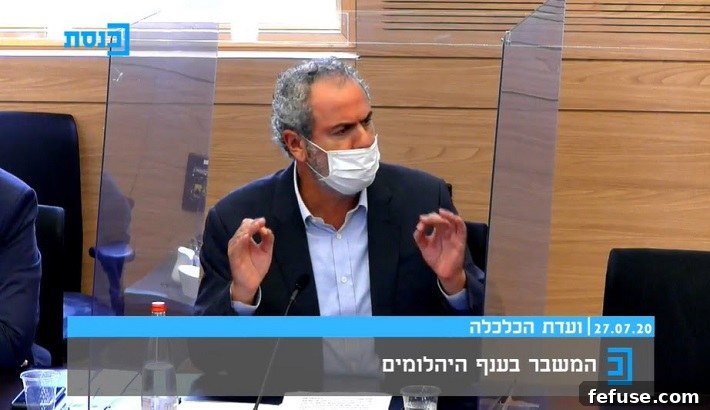
Ramat Gan, Israel – July 27, 2020 – In a pivotal moment for one of the nation’s most prestigious export sectors, a high-level delegation from the Israel Diamond Exchange (IDE), spearheaded by its President, Yoram Dvash, brought forth an urgent plea for enhanced government support to the Knesset Economics Committee. The special parliamentary hearing convened today underscored the dire circumstances confronting the Israeli diamond industry, which has endured profound damage in recent months. The unprecedented global disruptions caused by the COVID-19 pandemic have severely paralyzed key diamond markets across Asia and the United States, threatening the very foundation of this critical economic pillar. The industry’s representatives emphasized that without immediate and strategic governmental intervention, the long-term viability and global standing of Israel’s diamond trade could face irreversible consequences, necessitating a comprehensive support package designed to navigate these challenging times and secure a resilient future.
The Cornerstone of Israel’s Economy Under Threat
The Knesset Economics Committee assembled for this extraordinary session specifically to address the profound ramifications of the coronavirus crisis on Israel’s diamond industry. During the proceedings, Committee Chairman Rabbi Yaakov Margi articulated the deep concern within the legislative body, highlighting the diamond industry’s established position as a leading export powerhouse for Israel. He emphatically stated that this vital sector has been dramatically impacted by the ongoing global health crisis, emphasizing the state’s moral and economic imperative to act decisively. “When a major industry is hurt so hard, the state must intervene and provide the necessary aid,” Rabbi Margi asserted, underscoring the collective understanding that the industry’s struggles are not merely confined to individual businesses but pose a significant threat to the broader national economy and its international trade reputation.
A Legacy of Growth: The Diamond Industry’s Enduring Impact
Yoram Dvash, President of the Israel Diamond Exchange, painted a vivid picture of the industry’s historical significance and its unwavering contribution to the nation’s prosperity. He reiterated, “The diamond industry has been a significant growth engine for the Israeli economy for over eight decades.” This long-standing legacy has seen Israel emerge as a preeminent global hub for diamond cutting, polishing, and trading, fostering innovation, creating thousands of jobs, and significantly contributing to the country’s export revenues and GDP. Dvash elaborated that maintaining this hard-earned status and ensuring the continued success of the industry requires forward-thinking strategies and robust governmental backing. To this end, he presented a transformative proposal: leveraging Israel’s unique position as a leading diamond center to establish an international diamond trading area within the country, a vision that would necessitate the full support and collaboration of the Ministry of Economy.
Strategic Vision for Resilience: The International Diamond Trading Area
The concept of an international diamond trading area was met with considerable interest and positive reception. Israel Diamond Controller Ofir Gur, representing the Ministry of the Economy, expressed strong endorsement for the innovative proposal. He stated, “A free trade area in the diamond exchange complex can be an excellent idea, and our intention at the Ministry of the Economy is to begin discussions on the subject immediately in order to put it into motion.” This endorsement signifies a crucial step towards realizing a vision that could redefine Israel’s role in the global diamond market. Such a free trade zone would offer myriad benefits, including simplified customs procedures, attractive tax incentives, and a secure environment designed to draw in international diamond companies. It aims to foster increased trade volumes, attract foreign investment, stimulate local economic activity, and reinforce Ramat Gan’s status as an unparalleled global diamond hub, thereby creating new opportunities for growth and resilience for the entire sector.
Governmental Response and Commitment: A Path Forward
As the special hearing concluded, Chairman Margi synthesized the various points of discussion into a decisive call to action for key government bodies. He specifically urged “The Ministry of the Economy and the Ministry of Finance to work together to formulate concrete steps to expand financial assistance and to create a specific plan suited to the needs of the diamond exchange, including a dedicated credit program, and to work toward establishing a free trade area in the diamond exchange complex in Ramat Gan.” This directive underscores the legislative committee’s recognition of the immediate crisis and its commitment to ensuring the long-term prosperity of the diamond industry. It emphasizes the need for a collaborative, multi-ministerial approach to implement tailor-made solutions that address both the short-term liquidity challenges and the strategic imperatives for future growth, thereby providing a clear roadmap for recovery and enhanced global competitiveness.
Knesset Economics Committee’s Recommendations for Industry Survival
Following the comprehensive discussion, the Economic Committee released an unequivocal statement outlining its conclusions and recommendations. The committee firmly believes that given the severe crisis gripping the industry and the palpable danger to its continued existence, the government must provide unique and dedicated solutions across several critical levels. These recommendations are designed not only to offer immediate relief but also to fortify the industry’s infrastructure and global standing for years to come. The committee’s stance reflects a profound understanding of the diamond sector’s strategic importance to the national economy and the urgency required to avert a potential collapse. The proposals aim to create a protective framework that will allow businesses to weather the current economic storm and emerge stronger, ensuring job security and sustained economic contribution.
One of the cornerstone recommendations put forth by the committee advocates for a collaborative effort between the Ministry of Economy, the Ministry of Finance, the Tax Authority, and other relevant bodies. Their collective mandate would be to establish an international free trade area within the existing diamond exchange complex. This ambitious initiative is envisioned to be a magnet for global diamond enterprises, allowing companies from abroad to seamlessly open offices in Israel and actively engage in diamond trading operations directly from Israeli soil. The goal is to streamline international transactions, reduce bureaucratic hurdles, and offer competitive advantages that position Israel as the premier destination for global diamond commerce, thereby injecting new vitality and dynamism into the local industry and fostering robust international partnerships.
In addition to structural reforms, the committee stressed the imperative for targeted financial assistance. It specifically recommends that the Ministry of Finance provide aid packages that are precisely suited to the unique operational and financial needs of the diamond industry. Unlike general economic relief measures, the diamond sector requires specialized support that accounts for its specific market dynamics, high-value inventory cycles, and international trade dependencies. Such tailored assistance could include subsidies, grants, or favorable loan terms designed to address liquidity issues, support inventory management, and help businesses maintain operational capacity during a period of reduced global demand. This focused approach is considered essential to prevent widespread business failures and protect the thousands of livelihoods dependent on the industry.
Furthermore, recognizing the critical role of accessible credit, the committee strongly recommends that the Ministry of Economy and the Ministry of Finance work in close cooperation with a representative of the Israel Diamond Exchange. This collaborative effort is aimed at ensuring that the state’s guaranteed loan fund, a vital mechanism for supporting businesses during economic downturns, is appropriately adjusted and calibrated to meet the specific requirements of the diamond industry. This adjustment would involve reviewing eligibility criteria, loan limits, and repayment terms to better accommodate the industry’s financial structures and risk profiles. By making the guaranteed loan fund more responsive and accessible, the government can provide a crucial lifeline to diamond businesses, enabling them to secure the necessary capital to sustain operations, manage inventory, and prepare for eventual market recovery, thus reinforcing the sector’s long-term stability and growth potential.