
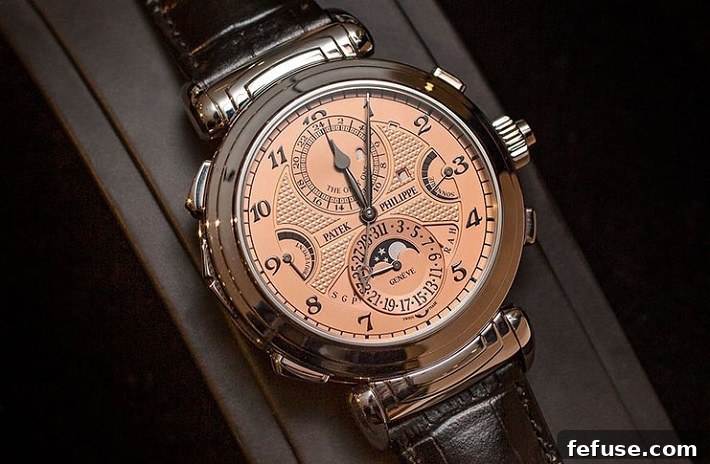
In the esteemed world of luxury horology, few names resonate with the prestige and heritage of Patek Philippe. The brand’s commitment to tradition, innovation, and unparalleled craftsmanship has cemented its status as a pinnacle of watchmaking excellence. This dedication extends beyond the creation of new timepieces; it encompasses the meticulous preservation of its historical legacy. Recently, Patek Philippe announced significant updates to its policies regarding Archive Extracts, introducing stricter guidelines designed to further protect both the brand’s integrity and the interests of buyers in the discerning secondary market. This strategic move underscores the paramount importance of provenance and authenticity in the high-value realm of vintage and antique watches.
The primary objective behind this policy enhancement is to re-emphasize the fundamental role of Archive Extracts. These crucial documents serve as a vital link to the past, providing meticulously compiled information from Patek Philippe’s registers dating back to 1839. Specifically, Archive Extracts are intended for Patek Philippe antique and vintage watches that were produced or sold up until 1989. This definitive cutoff date is critical, distinguishing these historical documents from the modern Certificate of Origin. By refocusing the scope, Patek Philippe ensures that the Archive Extracts maintain their historical integrity and relevance for the specific era they represent, offering invaluable insights into the brand’s storied past and the unique characteristics of its early creations.
The practice of issuing Extracts from the Archives commenced in the 1990s, a testament to the brand’s foresight in recognizing the growing interest in its historical pieces and the need for official documentation. It is crucial to understand that this service was never conceived for contemporary Patek Philippe watches. For timepieces purchased in the modern era, a Certificate of Origin is issued at the point of sale. This certificate is a comprehensive document providing all essential details necessary to identify the timepiece, including its movement, case, and reference numbers. It acts as the watch’s official “birth certificate” and simultaneously serves as its warranty, making it an indispensable document for any current Patek Philippe owner.
The Certificate of Origin is more than just a piece of paper; it is an irreplaceable artifact. It is the original document that accompanies a newly purchased Patek Philippe watch, attesting to its authenticity and origin directly from the manufacturer. Due to its singular importance, Patek Philippe maintains a strict policy: no copies of this document are ever provided. This policy reinforces the certificate’s unique value and helps to safeguard against fraud and misrepresentation in the market. Consequently, owners are strongly advised to keep their Certificate of Origin in a secure location, recognizing it as a critical component of their timepiece’s value and provenance, without which verifying its authenticity and eligibility for warranty services becomes significantly more challenging.
It is paramount to reiterate that an Extract from the Archives should never be regarded as a substitute for the Certificate of Origin. These two documents serve distinct purposes and apply to different eras of Patek Philippe watch production. The Certificate of Origin validates the authenticity and provides details for contemporary watches, offering a direct link to the initial sale and warranty. Conversely, the Archive Extract delves into the historical records for older pieces, confirming their specifications against the brand’s original ledgers. Understanding this fundamental distinction is vital for both collectors and potential buyers, ensuring they seek the appropriate documentation for the specific timepiece in question, thereby avoiding confusion and misinterpretation regarding a watch’s true identity and history.
The information contained within an Extract from the Archives is meticulously compiled and consistently updated in Patek Philippe’s extensive registers, which date back to its founding in 1839. Each Extract provides a detailed snapshot of a specific timepiece’s original specifications, offering invaluable data to collectors, historians, and appraisers alike. Key details include the watch’s type, caliber, movement number, case number, the original type of dial, and even the type of bracelet it was fitted with at the time of sale. Furthermore, it specifies the exact date of manufacture and the original date of sale. Such granular information is incredibly important for verifying a vintage watch’s originality and condition, as even minor discrepancies from the original specifications can significantly impact its market value and collectibility. These details help enthusiasts authenticate modifications, repairs, or restorations over the decades, providing a transparent historical context.
Despite its immense value in authenticating a timepiece’s historical data, it is crucial to understand the limitations of an Archive Extract. This document is not issued in the name of a specific person but is solely associated with the concerned timepiece itself. Consequently, an Extract from the Archives does not serve as proof of ownership. Its purpose is purely to certify the historical specifications and original sale details of the watch, linking it directly to Patek Philippe’s heritage. This distinction is vital for transactions in the secondary market, where proof of ownership typically relies on purchase receipts, invoices, or other legal documents. Collectors must be aware that while an Extract significantly enhances a watch’s provenance and value, it does not transfer ownership or validate a current owner’s legal claim to the item. This clarifies its role as a historical validation tool, rather than a personal ownership credential.
Beyond the stricter guidelines for Archive Extracts, Patek Philippe has also announced other measures aimed at refining the organization and processing of requests. These improvements are designed to optimize the brand’s internal management capacity, ensuring that the service remains efficient, responsive, and sustainable for the long term. As the global interest in Patek Philippe’s vintage and antique watches continues to grow, so too does the demand for official documentation. By streamlining internal processes, Patek Philippe can better manage the volume of requests, reduce processing times where possible, and maintain the high standard of accuracy and professionalism expected from such a prestigious brand. These operational enhancements reflect Patek Philippe’s dedication to supporting the collector community and preserving the integrity of its archives, adapting to modern demands while upholding its legacy of excellence.
The introduction of these updated policies by Patek Philippe signifies a proactive approach to safeguarding its unparalleled legacy and ensuring transparency within the luxury watch market. By strengthening the guidelines for Archive Extracts and clearly delineating their purpose from that of the Certificate of Origin, the brand fortifies its defense against counterfeiting and misrepresentation. This move not only protects the esteemed Patek Philippe brand but also provides crucial reassurance and a robust framework for secondary market buyers, enabling them to make informed decisions with greater confidence. In an era where authenticity and provenance are more highly valued than ever, Patek Philippe’s commitment to verifiable documentation reinforces its position as a benchmark of trust and quality in the world of haute horlogerie. For any serious collector or enthusiast, understanding and valuing these official documents is not just a matter of diligence; it is fundamental to appreciating the full heritage and enduring value of every Patek Philippe timepiece.
NewsSource: jewelry-industry.com