
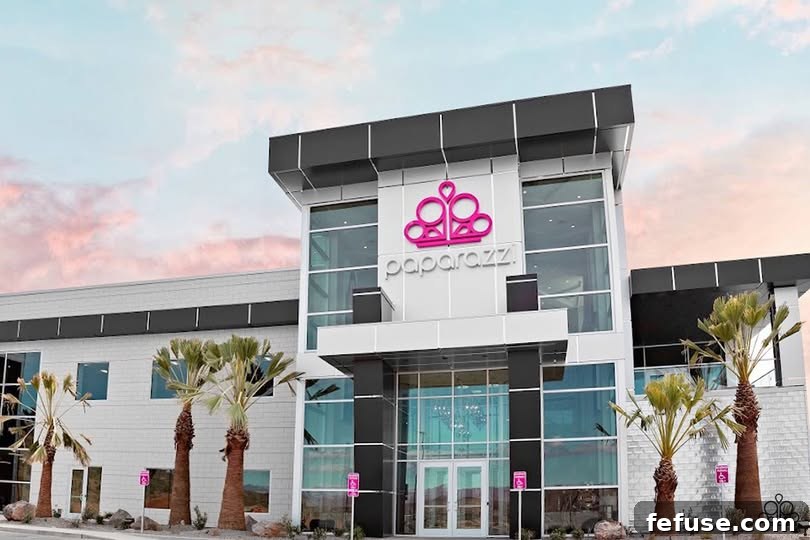
In a significant development for the multilevel marketing (MLM) industry, Paparazzi Accessories, widely recognized for its affordable $5 fashion jewelry, has agreed to a substantial $1.9 million settlement. This agreement follows an extensive investigation and accusations that the company had been operating an unlawful pyramid scheme, raising critical questions about the ethics and practices within the direct sales sector.
The resolution stems from a comprehensive probe conducted by the Washington State Attorney General’s Office, which meticulously examined Paparazzi’s business model and operations. The investigation concluded that the Utah-based company had engaged in unlawful business practices that allegedly prioritized recruitment over genuine product sales. As a result of this settlement, Paparazzi Accessories is mandated to compensate more than 7,000 independent sellers who were impacted by these practices in Washington State. Each affected individual is expected to receive an average of $180, providing some measure of restitution for their losses and efforts within the company’s structure.
Paparazzi’s Business Model Under the Microscope: Pyramid Scheme Allegations
Paparazzi Accessories operates through a vast network of independent consultants. These consultants are responsible for purchasing inventory directly from the company and subsequently selling it to consumers, often through online live streams, parties, or direct interactions. While this direct sales approach is common in MLM, concerns mounted regarding the strong emphasis on recruitment-based earnings within Paparazzi’s compensation structure. This focus on recruiting new consultants, rather than primarily on the retail sale of products, is a key indicator often associated with pyramid schemes.
Investigators found that consultants were allegedly heavily incentivized to expand their “downline” by recruiting new individuals into the Paparazzi network. Profits, in many cases, appeared to be more closely tied to the sales and inventory purchases made by recruits rather than the direct sale of jewelry to end-users outside the consultant network. This model allegedly placed a disproportionate financial burden and risk on the consultants, many of whom struggled to recoup their investments in inventory and achieve sustainable profits from product sales alone.
The practices identified during the investigation were found to be in violation of Washington’s robust Consumer Protection Act and Antipyramid Promotional Scheme Act. These critical pieces of legislation are designed to safeguard consumers and independent business operators from deceptive and unfair business models that masquerade as legitimate opportunities. The Antipyramid Promotional Scheme Act, in particular, targets compensation structures where participants pay money for the right to sell goods and receive payment primarily for recruiting others to join, rather than for sales to the ultimate consumer, which is a hallmark of an illegal pyramid scheme.
Key Reforms and Financial Relief for Affected Sellers
Beyond the monetary compensation, the settlement mandates that Paparazzi Accessories undertake significant operational changes, agreeing to restructure its sales practices. This commitment indicates a shift towards a model that is intended to be more compliant with consumer protection laws and to mitigate the risks for its independent consultants. While specific details of these structural changes will be monitored, they typically involve clearer guidelines on recruitment, revised compensation plans that prioritize retail sales, and more transparent communication regarding earning potential and financial risks.
Furthermore, a crucial aspect of the agreement provides financial relief for consultants who accumulated unsold inventory. Sellers in Washington State who purchased unsold inventory after January 2017 are now eligible for a full refund. To qualify for this refund, consultants must return the products to the company. This provision directly addresses a common criticism leveled against many MLM companies: the practice of “inventory loading,” where consultants are encouraged or required to purchase large quantities of products, often leading to financial losses if they are unable to sell them to end-consumers.
The ability for sellers to return unsold inventory is a vital safeguard, as it transfers some of the financial risk back to the company, rather than leaving individual consultants burdened with products they cannot move. This reform seeks to prevent future instances where consultants might face significant losses due to aggressive inventory purchase requirements or the inability to generate sufficient retail demand for the products.
Paparazzi’s Rise and Broader MLM Criticisms
Founded in 2011, Paparazzi Accessories quickly gained traction and expanded its reach significantly, primarily leveraging the power of social media for its direct sales efforts. Consultants frequently promote their $5 jewelry through engaging online live streams, particularly on platforms like Facebook, creating a vibrant and interactive shopping experience. This digital-first strategy allowed Paparazzi to build a large network of consultants and a loyal customer base, contributing to its rapid growth in the competitive fashion accessory market.
Despite its popular appeal and seemingly accessible business opportunity, the multilevel marketing model, including that employed by Paparazzi, has faced relentless and ongoing criticism. A primary concern revolves around the inherent structure that often ends up placing financial risk disproportionately on sellers rather than on the company itself. Critics argue that many MLMs, despite presenting themselves as entrepreneurial ventures, often lead to substantial losses for the vast majority of participants. Consultants are frequently encouraged to invest their own capital into purchasing inventory, attending events, and marketing efforts, with the promise of lucrative returns that rarely materialize for those at the lower tiers of the pyramid-like structure.
The alluring narrative of “being your own boss” and the potential for unlimited income often overshadows the stark realities of high attrition rates, the difficulty of consistently generating retail sales, and the pressure to continually recruit new participants to sustain income. This dynamic has fueled a broader debate about the ethical responsibilities of MLM companies towards their independent contractors and the need for greater transparency and regulation within the industry to protect vulnerable individuals seeking financial opportunities.
Implications and the Future of MLM Ethics
While this settlement allows Paparazzi Accessories to avert a prolonged and potentially damaging lawsuit, it casts a further spotlight on the ethics of MLM businesses and their profound impact on independent sellers. The Washington State Attorney General’s action serves as a crucial reminder that regulatory bodies are increasingly scrutinizing the compensation plans and operational models of direct sales companies to ensure they comply with consumer protection laws and do not exploit their participants.
For Paparazzi, the settlement necessitates not only a financial payout but also a commitment to reforms that could fundamentally alter its business practices, ideally fostering a more equitable and transparent environment for its consultants. More broadly, this case underscores the imperative for individuals considering joining an MLM to exercise extreme caution and conduct thorough due diligence. Prospective sellers should meticulously analyze compensation plans, understand inventory requirements, scrutinize income disclosure statements, and be wary of any opportunity that heavily emphasizes recruitment over genuine product sales to end-consumers. This settlement marks another significant chapter in the ongoing efforts to hold multi-level marketing companies accountable and to ensure fairness and transparency in an industry often plagued by controversy.