
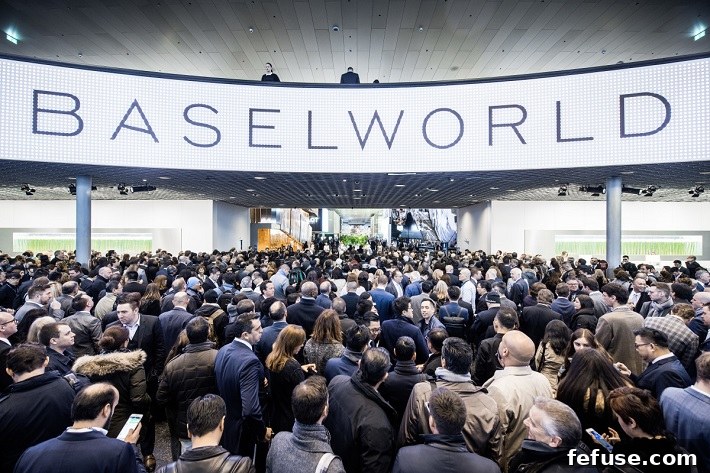
Baselworld Navigates Evolving Landscape: A Deep Dive into the Future of Luxury Watch and Jewelry Exhibitions
Baselworld, historically a titan among luxury watch and jewelry trade shows, has been a barometer for the health and direction of the global high-end market. The 2019 edition, while experiencing a noticeable shift in its scale, represented a pivotal moment for the exhibition. With just over 500 brands exhibiting, it marked a significant decrease from the approximately 650 presenters in 2018. However, this reduction was not the catastrophic collapse some industry observers had feared, particularly after the high-profile withdrawal of the Swatch Group, a conglomerate housing formidable brands like Omega, Longines, and Tissot. This period has seen Baselworld embark on a comprehensive transformation process, aiming to redefine its role and ensure its enduring relevance in a rapidly changing luxury landscape.
The Evolving Face of Baselworld 2019: Resilience Amidst Change
Despite the reduced number of participants, the 2019 iteration of Baselworld demonstrated a clear commitment from many of the industry’s most prestigious names. A list of participating brands, made public at Baselworld.com, showcased 468 exhibitors, forming the core of the show’s offerings. This central contingent was robustly led by the titans of the watchmaking world, including iconic names such as Rolex, Patek Philippe, TAG Heuer, Citizen, Seiko, Casio, Zenith, and Hublot. These brands represent the pinnacle of horological craftsmanship and innovation, drawing immense attention from retailers, press, and enthusiasts alike.
Key Players Maintaining Their Presence and Prestige
The continued presence of these leading watch brands underscored Baselworld’s magnetic pull and its critical role as a global platform for unveiling new collections and setting industry trends. Rolex, with its unparalleled brand recognition and consistent demand, Patek Philippe, a symbol of generational craftsmanship, and innovative powerhouses like Hublot and Zenith, all affirmed the show’s significance. Their participation not only guaranteed a high level of prestige but also provided a vital hub for major business transactions and media engagement. For many, Baselworld remained the essential stage to launch flagship products and articulate their brand vision for the coming year.
Beyond watches, the luxury jewelry sector also saw strong representation from leading firms that continue to define elegance and craftsmanship. Companies like Graff, renowned for its extraordinary diamonds; Roberto Coin, celebrated for its distinctive Italian design; Messika, a modern luxury jewelry brand with a focus on diamonds; Picchiotti, a master of high jewelry; and Chopard, a venerable name in both watches and exquisite jewelry, all contributed to the show’s glittering allure. These brands brought a diverse array of precious stones, innovative designs, and high artistry, ensuring that the jewelry halls remained a vibrant and crucial component of the exhibition.
Notable Absences and Industry Shifts
While the show retained many luminaries, certain absences resonated within specific sectors. On the jewelry front, the departure of Swarovski was particularly noticeable. For many years, Swarovski’s dazzling displays had been a prominent feature, sparkling brightly in the center of Hall 1 and drawing considerable foot traffic. Their absence signaled a shift not only for the brand’s exhibition strategy but also potentially for the show’s overall aesthetic and visitor experience. Furthermore, the dwindling number of Italian exhibitors, traditionally a strong and vibrant segment of Baselworld, pointed to broader challenges and perhaps a re-evaluation of international trade show participation strategies among mid-sized and smaller brands.
These departures, while not crippling, highlighted the increasing pressure on traditional trade fairs to justify their considerable investment for exhibitors. Brands are now scrutinizing ROI more closely, exploring alternative direct-to-consumer channels, localized events, and digital presentations. The decision for a brand to exhibit at a major fair like Baselworld is no longer a given but a strategic choice weighed against evolving market dynamics and marketing imperatives.
Leadership’s Vision: Steering Baselworld Towards a New Era
In response to these shifts, Baselworld’s managing director, Michel Loris-Melikoff, has spearheaded a significant transformation initiative. Speaking to our sister publication, WatchPro, he articulated a clear vision for the fair’s future. “Baselworld is expecting more than 500 exhibiting brands. 2019 will be a compact fair, focused on Halls 1, 3 and 4,” he stated, emphasizing a more curated and concentrated experience. This strategic decision aimed to create a more intimate and navigable environment for both exhibitors and visitors, moving away from the sprawling scale of previous years.
The Transformation Process Unveiled and Future Optimism
Loris-Melikoff openly acknowledged the reduction in exhibitor numbers compared to the previous year. However, he expressed strong conviction in the ongoing transformation process. “We are convinced that, with the transformation process which is in full run, more brands will be back to Baselworld in the upcoming years. Of course it will take some time to see the results, but the feedback of many brands makes us feel very optimistic that we will be successful.” This optimism is rooted in strategic changes designed to enhance the value proposition for participants, including improved services, updated infrastructure, and a more focused thematic presentation.
The commitment to a long-term vision is critical for any major event facing industry headwinds. Loris-Melikoff further highlighted that even in the final weeks leading up to the 2019 show, new brands made the decision to exhibit, signaling renewed confidence in the fair’s potential. A significant part of this forward-looking strategy involves transparency and clear communication: “At Baselworld 2019 the vision for Baselworld 2020+ will be revealed which will hopefully give us new tailwind as well.” This progressive unveiling of future plans is crucial for reassuring stakeholders and demonstrating a clear path towards revitalization and sustained growth. The goal is to evolve Baselworld from merely a trade show into an immersive experience and a year-round platform for the luxury watch and jewelry community.
Strategic Alliances and Calendar Shifts: Baselworld 2020+
One of the most impactful strategic decisions announced by Baselworld leadership relates to its future calendar. From 2020 onwards, the exhibition has committed to running back-to-back with its historical rival, SIHH (now known as Watches and Wonders Geneva), which traditionally showcases the majority of Richemont brands and other independent haute horlogerie houses. This groundbreaking alignment represents a significant shift from decades of competitive scheduling and signals a collaborative spirit within the fragmented luxury watch industry.
A Unified Front for the Watch Industry?
This move is largely viewed as a strategic win for the industry as a whole, particularly benefiting retailers and the international press. Historically, these key stakeholders have faced the logistical and financial burden of attending multiple, often geographically disparate, events in the first quarter of the year. The consolidation into a more streamlined calendar aims to alleviate this “travel fatigue” and create a more efficient and impactful buying and reporting season. By positioning the two major fairs consecutively, the industry hopes to foster a more unified approach, allowing professionals to maximize their time, reduce travel costs, and engage more deeply with all relevant brands without the pressure of conflicting schedules.
The long-standing rivalry between Baselworld and SIHH, often seen as emblematic of the broader competitive dynamics within the luxury watch groups, now appears to be giving way to a more pragmatic and cooperative stance. This shift reflects a recognition that a fragmented approach ultimately disadvantages the entire industry. A more harmonized exhibition calendar could lead to greater synergy, increased attendance numbers across both shows, and ultimately, stronger business outcomes for all participants. It’s a testament to the idea that collective growth can outweigh individual competitive gains, particularly in an era of evolving consumer behavior and market consolidation.
The Lingering Question of Swatch Group’s Return
The hope for this new, aligned calendar is that it will also create an environment conducive to attracting the Swatch Group back into the fold. The departure of this powerful conglomerate left a considerable void in Baselworld. Retailers and press alike have expressed weariness over attending multiple, often warring, luxury watch group events, particularly in a market that demands efficiency and consolidation. Should the Swatch Group be enticed to return, possibly alongside other major groups that have explored alternative exhibition formats, it would undoubtedly provide a significant boost to Baselworld’s stature and market completeness. Their re-engagement would signal a powerful message of industry unity and reinforce the notion that a single, comprehensive platform remains the most effective way to engage with the global luxury watch and jewelry market.
The Unique Challenges of the Jewelry Sector
While the new, aligned schedule with Watches and Wonders Geneva (formerly SIHH) holds immense promise for the watch industry, it has introduced specific concerns for the jewelry sector. The proposed new timing of the show in May, while potentially suitable for watches given their longer production cycles and less seasonal buying patterns, does not align as well with the traditional buying seasons for many jewelry brands. Jewelry, particularly at the high-end, often follows distinct seasonal purchasing trends and delivery schedules.
Many jewelry brands, especially those based in Europe, have expressed valid concerns that a May show might be suboptimal as a primary buying season. The summer months in Europe typically see extensive closures for holidays, impacting production, shipping, and retail operations. This timing could create significant logistical hurdles and disrupt the established sales cycles for delivering new collections to retailers well in advance of peak consumer purchasing periods, such as the holiday season. The specific needs of jewelry buyers, who often make purchasing decisions based on immediate stock availability and upcoming retail seasons, differ significantly from the watch sector, where pre-orders and longer lead times are more common.
Ensuring Baselworld remains a compelling platform for both watches and jewelry requires a nuanced understanding of these distinct market dynamics. The fair’s leadership will need to actively engage with jewelry exhibitors to address these concerns, potentially exploring alternative presentation formats, dedicated jewelry-focused initiatives, or even considering further calendar adjustments to cater to the unique demands of this vital segment. The challenge lies in creating a unified event that serves the diverse needs of two distinct, albeit complementary, luxury industries.
Beyond 2019: Baselworld’s Future Trajectory and Global Impact
Baselworld’s journey beyond 2019 is characterized by bold adaptation and a commitment to innovation. The exhibition is at a critical juncture, navigating the intricate demands of a luxury market that is increasingly digital, experience-driven, and highly discerning. The future trajectory involves not just attracting major brands but also fostering an ecosystem that encourages emerging talent, supports independent watchmakers and jewelers, and provides invaluable networking opportunities. The reveal of the “Baselworld 2020+” vision is intended to lay out a comprehensive strategy that encompasses digital integration, enhanced visitor experiences, and a renewed focus on community building.
The ongoing transformation aims to solidify Baselworld’s position not merely as a trade show but as a global hub for the entire luxury watch and jewelry community. This entails creating a year-round platform for engagement, thought leadership, and business development, extending far beyond the physical event itself. By embracing change, collaborating with industry partners, and listening keenly to the feedback of its diverse stakeholders, Baselworld endeavors to maintain its legacy as the definitive showcase for the pinnacle of horological and gemological artistry, ready to face the challenges and seize the opportunities of the luxury landscape in the decades to come.