
The Shifting Tides: Understanding the Recent Decline in Luxury Watch Prices
The secondary market for premium timepieces, a sector that witnessed an unprecedented boom over the past few years, is currently experiencing a significant recalibration. Enthusiasts, collectors, and investors alike are observing a clear trend: the prices of pre-owned luxury watches from revered brands such as Rolex, Patek Philippe, and Audemars Piguet are steadily declining. This shift marks a notable departure from the extraordinary growth seen in recent memory, signaling a cooling period in what was once a red-hot market.
Data from the Subdial50 Index, a comprehensive tracker for the market performance of the 50 most frequently traded luxury watches, paints a clear picture of this evolving landscape. According to their latest report, prices across this influential index saw a substantial decrease of 6.7 percent in November alone. This notable drop indicates a broad market correction rather than isolated incidents, affecting a wide spectrum of highly sought-after models and brands that have historically been considered robust investments or passion purchases.
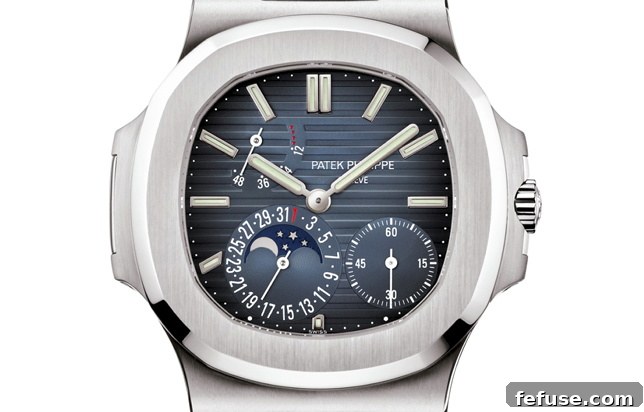
Among the specific models hit hardest by this market adjustment were some of the industry’s most iconic and desirable watches. The Rolex Oyster Perpetual 41, specifically Reference: 124300, registered a decline of 10.8 percent, bringing its average price down to $8,283. This particular Rolex model, known for its timeless design and widespread appeal, showcases how even popular entry-level luxury pieces are not immune to the current market forces. Similarly, the Patek Philippe Nautilus, Reference: 5712/1A-001, a model often considered a pinnacle of horological desirability, experienced a significant 10.3 percent drop, settling at an average price of $104,524. These examples underscore the extent of the current market correction, even for timepieces that typically command astronomical prices and strong demand.
The Subdial50 Index, meticulously compiled by a leading UK-based reseller, further highlighted the pervasive nature of this downturn. Its analysis for the 30 days leading up to December 2nd revealed a universal trend: every single one of the top 50 watches tracked by the index saw its price fall. This widespread decline suggests that the market correction is not confined to a few overhyped models but is rather a systemic shift impacting the entire upper echelon of the luxury watch secondary market. Such a comprehensive slump across the most traded pieces sends a strong message to both current owners and prospective buyers about the changing dynamics of watch collecting and investment.
Understanding the Boom: What Drove Luxury Watch Prices Up?
To truly grasp the significance of the current decline, it’s crucial to understand the factors that propelled luxury watch prices to unprecedented heights in the preceding years. The COVID-19 pandemic played a surprising role, as global lockdowns and reduced spending on experiences diverted disposable income towards tangible assets. With travel curtailed and entertainment options limited, many found themselves with accumulated savings, leading to an increased appetite for luxury goods, particularly those perceived as stable investments.
Compounding this was an era of historically low interest rates and expansive monetary policies, which encouraged speculative investments across various asset classes, from real estate to cryptocurrencies and, notably, luxury watches. The meteoric rise of cryptocurrency wealth created a new cohort of buyers with significant capital, eager to diversify into alternative luxury assets. Social media also played a pivotal role, with influencers and dedicated watch accounts amplifying desirability and creating a sense of urgency and “fear of missing out” (FOMO) among potential buyers. This confluence of factors transformed the secondary watch market from a niche for enthusiasts into a mainstream investment frontier, where certain models traded hands at multiples of their retail price, often within weeks of purchase.
Unpacking the Causes of the Current Market Correction
The current downturn is multifaceted, driven by a combination of macroeconomic shifts and changing consumer sentiment. One of the most significant factors is the global economic tightening. Central banks worldwide have aggressively raised interest rates to combat rampant inflation, making borrowing more expensive and reducing discretionary spending. This directly impacts the luxury market, as consumers become more cautious about non-essential high-value purchases. Inflation itself erodes purchasing power, forcing a re-evaluation of financial priorities.
The dramatic collapse of the cryptocurrency market also played a critical role. Many of the new buyers who fueled the watch market boom derived their wealth from crypto assets. As Bitcoin, Ethereum, and other cryptocurrencies plummeted, a substantial source of speculative capital vanished, leading to a decreased demand for luxury watches and, in some cases, forced sales by individuals looking to recover losses or stabilize their finances. Furthermore, the supply side of the secondary market has seen an increase. Owners who purchased watches at peak prices, hoping for quick appreciation, are now more likely to sell as the market cools, increasing available inventory and naturally putting downward pressure on prices.
Specific Models and Their Vulnerabilities
While the Subdial50 Index shows a broad decline, specific models illustrate the market’s sensitivity to hype and scarcity. The Rolex Oyster Perpetual 41 (Ref: 124300) saw a significant drop, likely due to its widespread availability compared to more limited-production professional models, and its price being more sensitive to general market sentiment. Its previous surge was largely fueled by its relative attainability and the overall Rolex craze, making it more susceptible to a return to equilibrium.
The Patek Philippe Nautilus (Ref: 5712/1A-001) is a different beast entirely. As part of Patek Philippe’s highly coveted Nautilus line, it represents the upper echelon of collectible watches. Its decline, though significant, starts from an incredibly high base. This drop indicates that even the most “untouchable” references are subject to market forces when the economic climate shifts. Such a decrease for a grail watch suggests a wider re-evaluation of values, even among the most affluent collectors, moving away from speculative buying towards more considered acquisitions.
Implications for Collectors and Investors
For existing owners, especially those who acquired luxury watches during the peak of the market, the current price slides represent a paper loss. However, experienced collectors often view their timepieces as long-term assets, appreciating the craftsmanship, heritage, and personal enjoyment they provide, rather than solely as financial investments. For them, short-term fluctuations are part of the market cycle, and the enduring value of these brands often transcends temporary dips.
For prospective buyers and new collectors, this period presents a potential opportunity. Watches that were once impossible to acquire at anything close to a reasonable price might now be within reach. The cooling market allows for more rational decision-making, reducing the pressure to overpay. It shifts the focus back to the intrinsic value of the watch, its rarity, condition, and horological significance, rather than pure speculative potential. This could lead to a healthier, more sustainable market in the long run, driven by genuine passion rather than fleeting hype.
Navigating the Evolving Luxury Watch Market
In this current environment, thorough research becomes paramount. Buyers should educate themselves on historical prices, understand the nuances of different references, and be wary of overly optimistic pricing from sellers still clinging to peak market values. Authenticity and provenance are more critical than ever, as a slight price reduction should never compromise the integrity of the purchase. Engaging with reputable dealers and leveraging reliable market indices like Subdial50 can provide valuable insights.
Sellers, on the other hand, may need to adjust their expectations. Pricing models realistically and understanding the current demand for specific pieces will be crucial for successful transactions. While some highly sought-after models will always retain strong value due to extreme rarity or historical significance, the days of instant and exponential profits appear to be on hold for the foreseeable future. The market is maturing, and a return to more traditional valuation methods is underway.
Conclusion: A Balanced Outlook for the Future
The recent price declines in the luxury watch market, as evidenced by the Subdial50 Index and specific model performance, mark a significant market correction. While some may view this with apprehension, it’s essential to maintain a balanced perspective. This is not necessarily a collapse but rather a normalization after an unprecedented period of growth driven by unique economic circumstances and speculative fervor.
The underlying appeal of brands like Rolex, Patek Philippe, and Audemars Piguet remains strong. Their heritage, unparalleled craftsmanship, and enduring designs ensure their place as desirable objects of art and engineering. For genuine watch enthusiasts and long-term collectors, this market adjustment might even be seen as a welcome return to sanity, fostering a more sustainable and passion-driven collecting environment. While short-term volatility is expected, the long-term outlook for iconic luxury watches, rooted in quality and tradition, is likely to remain robust, albeit with more measured appreciation than the speculative highs of the recent past.