
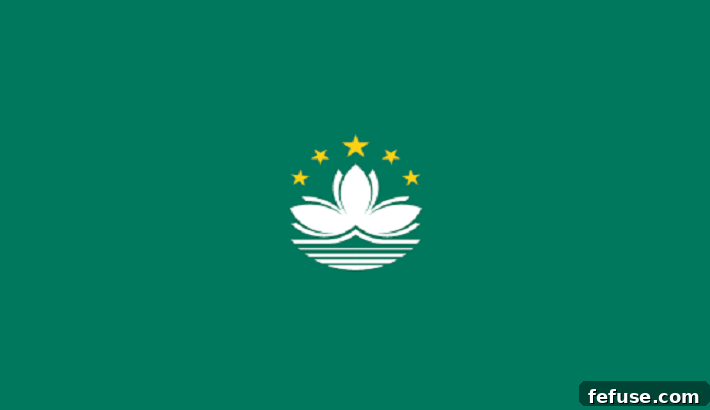
Macau Embraces Ethical Diamond Trade: Joins Kimberley Process Certification Scheme
In a landmark decision poised to reshape its economic landscape, Macau’s Legislative Assembly has officially passed a government-initiated bill allowing the Special Administrative Region to become a full participant in the Kimberley Process Certification Scheme (KPCS). This crucial legislative approval, set to take effect from October 1st of this year, signals Macau’s firm commitment to international standards in the global rough diamond trade and opens new avenues for economic growth and diversification.
The newly adopted legislation is a pivotal step that will enable Macau to rigorously implement the Kimberley Process Certification Scheme, thereby permitting the city to formally engage in the international buying and selling of rough diamonds. This strategic move aligns Macau with global best practices and strengthens its position as a responsible and compliant participant in the legitimate diamond market. For years, Macau has been celebrated as a premier gaming and tourism destination; however, this initiative underscores a proactive effort to broaden its economic base and tap into new sectors with significant international reach.
Paving the Way for Legitimate Diamond Commerce in Macau
The journey to this legislative milestone involved thorough deliberation, with the Second Standing Committee of the Legislature holding four comprehensive meetings to review the bill. The primary objective behind this legislative push is clear: to foster and develop a robust rough diamond trading sector within Macau. This sector is envisioned not only to create new economic opportunities but also to enhance Macau’s global trade profile, moving beyond its traditional strengths.
Macau, while directly administered by the Central People’s Government of Mainland China, enjoys a high degree of autonomy as a Special Administrative Region (SAR). This unique governance structure allows Macau to forge distinct economic policies and pursue international trade agreements that serve its specific development goals. The successful passage of the Kimberley Process bill is a testament to this autonomy, demonstrating Macau’s capacity to independently legislate and integrate into complex international frameworks.
During the pivotal plenary session of the Legislative Assembly where the vote on the bill took place, key government officials were present, highlighting the importance of this decision. Among them were the region’s Secretary for Economy and Finance, Lionel Leong Vai Tac, and the Economic Services Bureau (DSE) Director, Tai Kin Ip. Their presence underscored the government’s strong backing for the initiative and its strategic significance for Macau’s future economic trajectory.
Understanding the Kimberley Process Certification Scheme (KPCS)
To fully appreciate the scope of Macau’s new commitment, it’s essential to understand the Kimberley Process Certification Scheme itself. Established in 2003, the KPCS emerged as a multilateral trade regime designed to prevent the flow of “conflict diamonds” into the mainstream rough diamond market. These “conflict diamonds,” often referred to as “blood diamonds,” are rough diamonds used by rebel movements to finance wars against legitimate governments, particularly in Africa.
The Kimberley Process was conceived following widespread international concern and was based on United Nations General Assembly Resolution 55/56. Its fundamental goal is to ensure that diamond purchases do not inadvertently fund violence, human rights abuses, or insurgent activities seeking to destabilize legitimate governments. By participating in the KPCS, countries commit to upholding stringent regulations that safeguard the integrity of the diamond supply chain.
Member countries within the Kimberley Process are mandated to adhere to strict guidelines. Specifically, every export of rough diamonds must be accompanied by a Kimberley Process Certificate, which is issued by the respective government entity responsible for overseeing the diamond trade in the exporting country or region. Conversely, importing countries or regions are equally obligated to verify each Kimberley Process Certificate before allowing any rough diamond shipment to enter their borders. This dual-verification system creates a robust framework for traceability and accountability, making it exceptionally difficult for illicit diamonds to penetrate the legitimate market.
Robust Regulatory Framework: Ensuring Compliance and Transparency in Macau
With its entry into the KPCS, Macau has swiftly implemented a comprehensive legal framework to govern its rough diamond trade. According to Macau News, the new law stipulates that any business entity or individual in Macau involved in the import, export, intermediary trade, sale, or transport of rough diamonds must obtain a specific license from the Economic Services Bureau (DSE). These licenses are valid for a period of two years and are eligible for renewal, ensuring ongoing compliance and oversight.
Crucially, the legislation includes strict prohibitions designed to uphold the integrity of the Kimberley Process. Rough diamonds are explicitly barred from being imported into Macau from any non-member of the Kimberley Process Certification Scheme. Similarly, Macau is prohibited from exporting rough diamonds to any country or region that is not a recognized member of the scheme. These rules establish a clear boundary, reinforcing Macau’s commitment to trading only with KP-compliant partners and effectively shutting down avenues for illicit trade.
The Economic Services Bureau (DSE) has been designated as the primary authority tasked with spearheading the implementation and management of these regulations. To ensure effective enforcement and adherence to international standards, the DSE will receive vital assistance from the Macau Customs Service. This collaborative approach between regulatory bodies and enforcement agencies is critical for maintaining transparency, preventing smuggling, and upholding Macau’s reputation as a reliable and ethical trading hub.
Strategic Alliances and Global Connectivity: Macau’s Vision
Macau’s proactive engagement in the legitimate diamond trade is further exemplified by its strategic partnerships. At the time the KPCS bill was passed, Secretary Leong revealed a significant development: the Macau government had previously signed an agreement with the esteemed Shanghai Diamond Exchange approximately a year prior. This agreement laid the groundwork for the establishment of a dedicated diamond exchange center within Macau itself.
This partnership with the Shanghai Diamond Exchange is a powerful indicator of Macau’s ambition to become a central hub in Asia’s rough diamond market. Leveraging Shanghai’s expertise and established infrastructure, Macau aims to create a complementary trading platform that could attract international dealers, facilitate transactions, and boost regional trade flows. Such a center would not only streamline the trade of rough diamonds but also foster related industries, potentially including cutting, polishing, and jewelry manufacturing, thereby creating a more integrated and diversified diamond value chain within the region.
Macau’s strategic geographical location, coupled with its advanced logistics and trade infrastructure, positions it uniquely to serve as a gateway for rough diamonds entering and exiting the Asian market. By becoming a trusted nexus for ethical diamond trade, Macau can strengthen its economic ties with major global diamond centers like Antwerp, Dubai, and Mumbai, further integrating into the international supply chain and enhancing its appeal to global investors and traders.
Broader Impact and Future Outlook for Macau’s Economy
Macau’s entry into the Kimberley Process Certification Scheme represents more than just a new sector for its economy; it is a profound statement of its commitment to responsible global trade and ethical practices. By actively participating in the KPCS, Macau contributes directly to the international efforts against conflict diamonds, reinforcing consumer confidence in the origin and ethical sourcing of diamonds worldwide. This move is aligned with a growing global demand for transparency and sustainability across all industries.
The establishment of a legitimate rough diamond trading sector is expected to bring significant socio-economic benefits to Macau. It promises to create new employment opportunities across various segments, from logistics and customs to specialized trading and financial services. Moreover, it is anticipated to attract foreign direct investment, diversify revenue streams away from the gaming industry, and elevate Macau’s standing as a sophisticated international business center.
Looking ahead, Macau’s journey as a Kimberley Process member will be characterized by continuous adherence to international standards, robust internal oversight, and strategic collaborations. This bold step marks a transformative period for the Special Administrative Region, positioning it not just as a center for entertainment but as a pivotal and responsible player in the global rough diamond trade. Macau is poised to shine brightly, contributing significantly to a more ethical and transparent diamond industry on the world stage.
Original Source: gjepc.org