
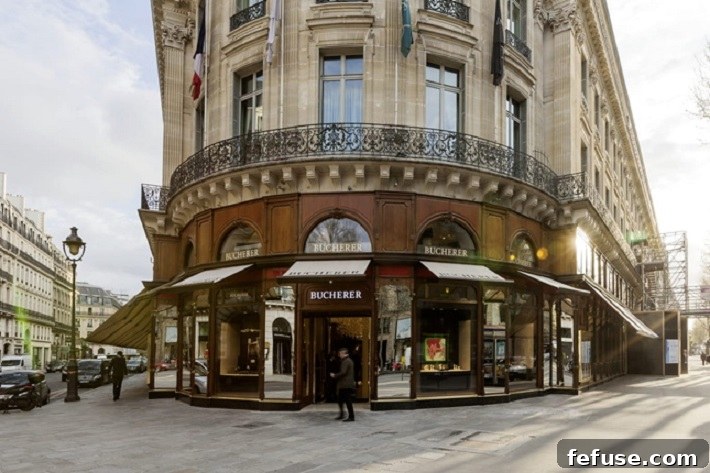
Rolex Acquires Bucherer: A Game-Changing Alliance in Luxury Watch Retail
In a landmark move poised to fundamentally reshape the global luxury watch industry, Rolex, the iconic Swiss watchmaker, has announced its acquisition of Bucherer. This venerable multi-brand watch and jewelry retailer, boasting over 100 sales outlets worldwide, represents a significant strategic asset. The takeover grants Rolex an unprecedented level of direct control over its distribution network, offering invaluable market intelligence and a clearer pathway to influencing competitor strategies. The news, which broke on August 25th, reverberated across financial markets, triggering an immediate and sharp decline in the shares of rival retailers and signaling a new era of brand-led consolidation within the high-end sector.
The Genesis of a Strategic Acquisition: Deep Roots and Succession
The decision for Bucherer to sell its long-standing family business, which first opened its doors in 1888, was primarily influenced by succession planning. Jorg G. Bucherer, the 87-year-old chairman, holds the unique distinction of being the last active individual known to have personally worked with Hans Wilsdorf, the visionary founder of Rolex. With no direct descendants to assume leadership of the extensive retail empire, the path was cleared for Rolex, a cherished and long-term partner, to step in and secure the future of this pivotal retail entity. While the financial terms of the deal remain confidential, its strategic value to Rolex is unequivocally substantial.
Rolex has publicly committed to preserving Bucherer’s esteemed name and ensuring its continued independent operation once the acquisition receives all necessary regulatory approvals. This commitment underscores Rolex’s intention to honor Bucherer’s rich heritage and established brand identity, aiming to leverage its profound retail expertise while integrating it more closely into Rolex’s overarching strategic vision. Currently, Bucherer serves as a key retail partner, selling Rolex watches in over half of its global locations, alongside an impressive portfolio of other prestigious luxury brands and its own respected proprietary brand, Carl F. Bucherer.
Immediate Market Tremors: Watches of Switzerland Group Reacts
The announcement of the Rolex-Bucherer deal had immediate and tangible effects on the market. Shares in the UK-based rival luxury watch retailer, Watches of Switzerland Group (WoSG), experienced a dramatic plunge of 21 percent on the day the news became public. This significant dip reflects a collective investor concern regarding potential shifts in brand allocation strategies and the intensified competitive landscape. As a major retail partner for Rolex in key markets such as the UK and the US, WoSG faces an uncertain future as the dominant watchmaker gains unprecedented control over its retail operations. This event highlights the vulnerability of multi-brand retailers to moves by powerful luxury brands seeking greater vertical integration.
A Legacy Forged in Time: The Enduring Rolex-Bucherer Partnership
The relationship between Rolex and Bucherer transcends a mere commercial transaction; it is a profound alliance cemented by over nine decades of shared history and collaboration. Rolex articulated that the acquisition’s core purpose is to “preserve the long-standing partnership between the two companies and perpetuate their shared history.” This sentiment beautifully encapsulates the deep-seated connection that has thrived, personified by figures such as Jorg G. Bucherer, whose direct association with Rolex founder Hans Wilsdorf imbues the deal with historical gravity. It frames the acquisition not as a hostile takeover, but rather as a natural and carefully considered evolution of an already robust alliance.
Bucherer was among the earliest and most instrumental retailers to embrace Rolex watches, playing a crucial role in the brand’s global expansion from its nascent stages. This enduring partnership has seen both entities grow in parallel, establishing Bucherer as a premier destination for luxury watches and positioning Rolex at the apex of watchmaking prestige. The acquisition effectively solidifies this historical synergy, ensuring that the combined legacies of both venerable houses will continue to flourish under a unified, forward-looking vision, deepening their mutual commitment to excellence and innovation in the luxury sector.
Unpacking the Strategic Brilliance: Why Bucherer is Key for Rolex
Rolex’s strategic rationale behind acquiring Bucherer is intricate and far-reaching, mirroring a broader industry trend within the luxury sector toward increased vertical integration and stringent control over the brand experience. This move represents much more than simply adding a retail chain to its portfolio; it signifies a substantial enhancement of Rolex’s operational prowess, market influence, and long-term strategic positioning.
Elevating Distribution Control and Harnessing Market Intelligence
By bringing Bucherer’s extensive and sophisticated retail network directly under its ownership, Rolex achieves an unparalleled level of control over its global distribution channels. This enhanced oversight allows for more precise management of inventory, strategic allocation of highly coveted timepieces, and the assurance of consistent pricing and immaculate presentation across a vast number of points of sale. Such direct influence is instrumental in combating grey market activities and upholding the integrity and premium positioning of the Rolex brand.
Moreover, the acquisition furnishes Rolex with an invaluable reservoir of real-time market intelligence. Direct ownership of these retail outlets provides immediate data on evolving consumer preferences, purchasing patterns, and the performance metrics of competitor brands showcased within Bucherer stores. This direct feedback loop is a powerful tool, empowering Rolex to make more agile and informed decisions regarding product innovation, targeted marketing campaigns, and overall strategic direction, thereby securing a definitive competitive advantage in a dynamic market.
Curating an Unparalleled Customer Experience
The luxury watch market thrives on exclusivity, an aura of prestige, and an utterly impeccable customer experience. With Bucherer now under its direct purview, Rolex gains the ability to meticulously curate every facet of the customer journey, from the initial step into a boutique to comprehensive after-sales service. This comprehensive control ensures uniform standards of service excellence, rigorous sales associate training, cohesive store aesthetics, and consistent product presentation across all Bucherer-operated Rolex points of sale. A consistently high-quality experience globally serves to reinforce the brand’s luxury positioning and significantly deepens customer loyalty.
This profound vertical integration empowers Rolex to implement its precise brand vision without compromise, ensuring that every customer interaction authentically reflects the heritage, unparalleled craftsmanship, and core values of the Rolex brand. In an increasingly competitive luxury landscape, maintaining stringent control over the retail narrative is not merely advantageous; it is absolutely paramount to sustaining brand desirability and perceived value.
Bolstering Defenses Against Counterfeit and Grey Market Challenges
The immense global demand for Rolex watches, a testament to their desirability, unfortunately also creates significant challenges related to counterfeiting and unauthorized grey market sales. By consolidating its retail presence through the Bucherer acquisition, Rolex can exert a far greater degree of control over its entire supply chain. This makes it considerably more difficult for unauthorized or counterfeit timepieces to infiltrate the legitimate market channels. Direct ownership facilitates the implementation of stricter protocols for authentication, robust warranty management systems, and enhanced product traceability, all of which are critical in safeguarding the brand’s integrity and protecting the trust and investments of its discerning clientele.
Broader Implications for the Global Luxury Watch Industry
Rolex’s acquisition of Bucherer is far from an isolated corporate maneuver; it represents a significant seismic shift that is poised to reverberate and reshape the luxury watch industry for years to come. Its profound impact extends well beyond the direct interests of Rolex and Bucherer, affecting rival retailers, other eminent luxury brands, and even influencing the purchasing behaviors of discerning consumers worldwide.
The Evolving Landscape of Multi-Brand Retailers
The most immediate and pressing concern for multi-brand retailers, vividly demonstrated by the sharp decline in Watches of Switzerland’s share price, is the looming possibility that other dominant luxury brands might follow Rolex’s precedent. Should brands such as Patek Philippe, Audemars Piguet, or even major conglomerates like Richemont or Swatch Group decide to significantly ramp up their direct-to-consumer presence or acquire key retail partners, it could profoundly diminish the market power and profitability of independent multi-brand stores. This acquisition could very well accelerate a broader trend toward brand consolidation, compelling existing retailers to either diversify their product offerings aggressively or forge even closer, potentially exclusive, alliances with specific watch manufacturers.
For Bucherer itself, a crucial question arises regarding the future of the myriad other luxury brands it currently carries. While Rolex has committed to Bucherer’s continued independent operation, the long-term strategic vision for brands like Omega, Cartier, Breitling, and naturally, Carl F. Bucherer, within a retail network now owned by Rolex, remains a subject of considerable speculation. It is plausible that Bucherer will continue to function as a multi-brand retailer, but with an undeniable heightened strategic focus and alignment with Rolex’s broader corporate objectives and market strategies.
Setting a New Precedent for Vertical Integration
This landmark transaction establishes a powerful new precedent for vertical integration within the high-end watch sector. For many years, luxury brands have meticulously navigated the delicate balance between fostering relationships with independent retail partners and developing their own mono-brand boutiques. Rolex’s full acquisition of Bucherer unmistakably signals a decisive shift toward greater brand control, a move that could potentially inspire other formidable brands to explore similar direct ownership strategies. This transformative shift might very well lead to a significant restructuring of the entire luxury watch retail ecosystem, resulting in fewer, but considerably larger and more vertically integrated, industry players.
The Evolution of the Luxury Consumer Journey
For the discerning luxury consumer, this acquisition holds the promise of an even more refined and consistently elevated shopping experience for Rolex products. The enhanced control over retail points means a more standardized, high-end presentation globally, ensuring that every interaction aligns with the brand’s impeccable standards. However, it also raises pertinent questions about potential shifts in product availability and allocation, particularly for the most highly sought-after and exclusive models. The overarching aim is likely to streamline the purchasing process and make it even more congruent with the brand’s prestigious image, potentially mitigating some of the frustrations historically associated with scarcity and the inflated premiums seen in the grey market.
The Enduring Legacy of Bucherer and Its Future Under Rolex Stewardship
Bucherer, which was founded in Lucerne, Switzerland, in 1888, has evolved from a respected local jewelry and watch store into an undisputed global powerhouse in luxury retail. Its stellar reputation for exceptional customer service, an expansive and curated selection of luxury brands, and its own reputable watch line, Carl F. Bucherer, have firmly cemented its position as a preeminent leader in the luxury retail segment. Jorg G. Bucherer’s decision to sell marks the symbolic conclusion of an era for a family-owned enterprise that has successfully navigated more than a century of profound market transformations and technological innovations.
Under the strategic ownership of Rolex, Bucherer’s celebrated legacy is poised to embark on a compelling new chapter. The firm promise of continued independent operation strongly suggests that the core values, deep-seated expertise, and distinctive identity of Bucherer will be meticulously preserved. This strategic alignment could potentially furnish Bucherer with access to even greater resources for ambitious expansion, state-of-the-art technological upgrades, and impactful marketing initiatives. These benefits are likely to further solidify its already formidable position as a premier global destination for luxury timepieces and exquisite jewelry, albeit with a significantly strengthened and strategically aligned partnership with its most prominent brand – Rolex.
Conclusion: A New Horizon for Luxury Watch Retail and Brand Stewardship
The acquisition of Bucherer by Rolex is a truly monumental event that signifies a profound and far-reaching transformation within the luxury watch industry. It serves as a powerful testament to Rolex’s strategic foresight and its unwavering commitment to asserting greater command over its brand image, meticulously refining its distribution channels, and optimizing the holistic customer experience. While initial market reactions have clearly highlighted anxieties and uncertainties among rival retailers, the long-term implications unmistakably point towards an industry landscape that is increasingly vertically integrated and profoundly brand-centric.
This groundbreaking deal not only meticulously preserves a historically significant partnership but also unequivocally establishes a new benchmark for how leading luxury watch brands will strategically operate and interact with their markets in the future. As the luxury industry continues its dynamic evolution, the newly forged Rolex-Bucherer alliance will undoubtedly serve as a crucial and influential case study, shaping future strategies for brand control, innovative retail engagement, and the cultivation of enduring consumer loyalty in the high-stakes and highly exclusive world of haute horlogerie. The stage is now dramatically set for a new era where the traditional boundaries between luxury manufacturer and esteemed retailer become increasingly intertwined and synergistic, all in the ultimate pursuit of unparalleled brand stewardship and market dominance.