
Richemont’s Resilient Q4 2022: Jewelry Shines Bright Amidst Global Shifts
In a testament to the enduring strength and strategic positioning of its high-end brands, Richemont, the Swiss luxury goods conglomerate, showcased a robust performance in the final quarter of 2022. Despite the significant headwinds posed by widespread COVID-19 disruptions in mainland China, the company’s illustrious jewelry division emerged as a powerful growth engine, demonstrating remarkable resilience and driving overall revenue upward. This period provided a clear illustration of the luxury market’s dynamic nature, where specific segments and geographical regions exhibited divergent trends, highlighting the importance of a diversified portfolio and a strong global presence.
Jewelry Sector: The Unwavering Pillar of Growth
The luxury jewelry segment proved to be the undisputed star of Richemont’s portfolio during the three months leading up to December 2022. Sales in this prestigious division experienced an impressive 11 per cent surge, a clear indication of sustained and robust consumer demand for exquisite and timeless pieces. This substantial increase not only reflects the inherent perceived value of luxury jewelry as an investment and an heirloom but also underscores the highly effective strategies employed by Richemont’s leading Maisons in captivating their affluent clientele.
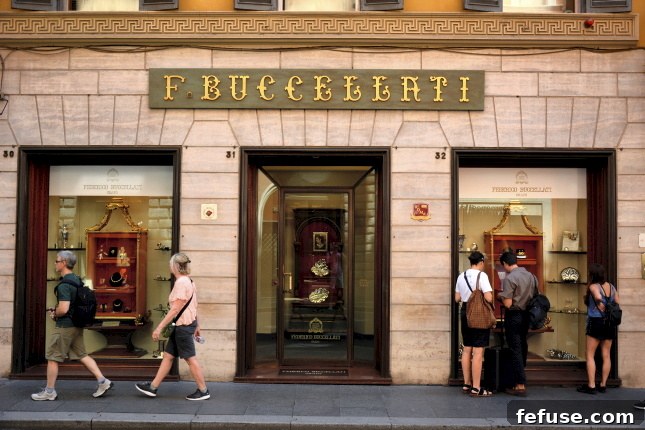
Much of this exceptional growth was spearheaded by three of the most revered names in fine jewelry: Buccellati, Cartier, and Van Cleef & Arpels. These brands, each with their distinct aesthetic and rich heritage, continued to resonate profoundly with discerning customers across the globe. Cartier, a titan of elegance and innovative design, and Van Cleef & Arpels, celebrated for its poetic narratives and intricate craftsmanship, consistently draw consumers seeking unparalleled beauty and enduring quality. Buccellati, renowned for its unique hand-engraved textures and intricate, Renaissance-inspired designs, further bolstered the segment’s outstanding results, affirming the diversity and unparalleled strength inherent within Richemont’s expansive jewelry portfolio.
The cumulative revenue generated by Richemont’s jewelry brands for the quarter reached an impressive $4.03 billion. This formidable figure not only solidifies jewelry’s position as the top-performing sector within the conglomerate but also highlights its critical role in balancing out the challenges faced by other divisions. The sustained strong performance of high jewelry is frequently attributed to its status as a tangible asset and a preferred purchase for luxury consumers, especially during periods of global economic uncertainty, offering a sense of stability, permanence, and enduring aesthetic appeal.
Navigating Diverse Segments: Watches and Fashion & Accessories
While the jewelry segment soared, other key divisions within Richemont’s extensive portfolio presented a more nuanced performance picture. The watch division, home to an esteemed collection of horological Maisons such as IWC Schaffhausen, Jaeger-LeCoultre, Panerai, and Vacheron Constantin, experienced a slight deceleration. Sales of luxury watches registered a modest three per cent decline during the same reporting period, bringing the total revenue for this category to $1.04 billion. This slight dip could be influenced by a confluence of factors, including broader trends within the high-end watch market, evolving consumer preferences towards other luxury categories, or the specific impact of regional economic sentiments affecting discretionary spending on such significant purchases.
In contrast, Richemont’s fashion and accessories segment demonstrated positive momentum and robust growth. This sector saw sales climb by a healthy 10 per cent, reaching a total of $793 million. Encompassing distinguished brands like Chloé, Dunhill, and Azzedine Alaïa, this segment’s strong performance indicates a vigorous consumer appetite for luxury apparel, sophisticated leather goods, and other high-end fashion items. The consistent growth in fashion and accessories suggests effective brand management, successful product innovation, and strong market penetration that resonated well with global consumers, further diversifying Richemont’s revenue streams and contributing significantly to its overall financial stability.
The China Factor: Challenges and Broader Regional Dynamics
A defining characteristic of Richemont’s Q4 2022 performance was the stark divergence in regional growth. The Swiss luxury powerhouse reported commendable growth across nearly all regions and all distribution channels globally. However, one significant exception stood out: the Asia Pacific region, particularly mainland China, which faced substantial operational disruptions that profoundly impacted its sales figures during the period.
The quarter under review coincided with a “massive increase of Covid cases” throughout mainland China, which triggered a renewed and stringent application of public health measures under the country’s zero-COVID policy. These measures had a direct and severely detrimental effect on retail operations across the luxury sector. Richemont meticulously detailed the cascading impact: customer traffic dwindled significantly as widespread lockdowns and public health concerns kept people at home; staff unavailability due to illness or mandatory quarantine led to reduced boutique opening hours; and in numerous instances, temporary closures of points of sale became unavoidable. These compounded factors culminated in a substantial 24 per cent drop in sales within mainland China alone, severely dampening the overall growth trajectory for the broader Asia Pacific region.
This challenging situation in China underscored the inherent vulnerability of even the most established global luxury brands to widespread public health crises and the extensive governmental responses they necessitate. Historically, China has been an indispensable and powerful engine for growth within the luxury industry worldwide. Its temporary slowdown, therefore, represented a significant operational and financial hurdle. Nevertheless, the fact that Richemont managed to achieve overall growth for the quarter, largely propelled by its resilient jewelry division, powerfully highlights the strength of its expansive global footprint and the inherently diversified nature of its high-value customer base.
Beyond the Asia Pacific region, the consistent growth experienced across other crucial markets—including Europe, the Americas, the Middle East, and Africa—played an absolutely pivotal role in compensating for the downturn in China. Consumers in these regions demonstrated robust and sustained demand for luxury goods, buoyed by a combination of factors such as resilient economic conditions for high-net-worth individuals, the vigorous return of international tourism, and an ongoing, strong desire for aspirational purchases and experiences. This strategically vital geographical diversification proved to be a significant advantage for Richemont, effectively mitigating the concentrated risk posed by challenges in a single, albeit highly important, key market.
Richemont’s Strategic Resilience and Market Leadership
Richemont’s Q4 2022 results collectively paint a compelling picture of a luxury conglomerate that is exceptionally adept at navigating complex, rapidly evolving market conditions. Its fundamental strength is deeply rooted in its diverse and highly coveted portfolio of brands, particularly within the jewelry segment, which consistently demonstrates robust and inelastic demand regardless of broader external economic pressures. The company’s remarkable ability to drive overall growth even in the face of significant regional challenges attests unequivocally to the effectiveness of its sophisticated brand management strategies, its commitment to direct-to-consumer engagement, and its meticulously curated global distribution network.
The unwavering strategic focus on its iconic jewelry Maisons, such as Cartier and Van Cleef & Arpels, continues to yield substantial dividends. These brands transcend mere product sales; they are purveyors of heritage, guardians of artistry, and facilitators of profound emotional connections, all of which resonate deeply and enduringly with luxury consumers. Furthermore, Richemont’s continuous and substantial investment in enhancing the overall customer experience, encompassing both its exquisitely designed physical boutiques and its seamless digital channels, has undeniably contributed to its solid performance across a multitude of diverse markets.
The luxury market as a whole demonstrated remarkable resilience throughout 2022, and Richemont’s exemplary performance serves as a powerful indicator of this pervasive trend. While global economic uncertainties, persistent inflationary pressures, and geopolitical tensions continued to loom, the segment catering to affluent consumers often remains remarkably insulated from these broader macroeconomic fluctuations. High-net-worth individuals typically retain their substantial purchasing power, and luxury goods, particularly fine jewelry, are frequently viewed not only as coveted items but also as reliable safe-haven investments or timeless pieces that transcend transient fashion trends and economic cycles.
Charting the Future: Opportunities and Evolving Challenges
As Richemont strategically positions itself for the future, several critical factors will undoubtedly shape its trajectory. The highly anticipated potential rebound of the Chinese market, following the significant easing of its stringent zero-COVID policies, presents a monumental opportunity. A return to pre-pandemic levels of robust consumer traffic and spending in mainland China would unquestionably provide a substantial and immediate boost to the entire Asia Pacific region and, consequently, to Richemont’s overall global revenue. The long-term growth prospects for the luxury sector in China remain exceptionally strong, driven by an expanding affluent middle class and rapidly increasing national wealth.
Nevertheless, global economic conditions will continue to require vigilant monitoring. While the luxury sector has consistently demonstrated its resilience, persistent inflation, steadily rising interest rates, and the looming possibility of recessions in several key markets could undeniably influence broader consumer sentiment and spending habits among even the affluent. Richemont’s ongoing challenge will be to sustain its impressive growth momentum across all its key regions while strategically adapting to the rapidly evolving preferences of its discerning consumers and the dynamic shifts in market dynamics.
Continued and strategic investment in digital transformation initiatives, embedding sustainable practices across its value chain, and fostering innovative product development will be absolutely crucial for sustained success. Today’s luxury consumer is increasingly sophisticated, demanding not only products of unparalleled exquisite quality but also demonstrable ethical sourcing, complete transparency, and deeply engaging brand experiences. Richemont’s strategic foresight, unwavering commitment to excellence, and inherent adaptability will be paramount to sustaining its leadership position in the fiercely competitive and ever-evolving global luxury market. The robust performance of its dominant jewelry division in late 2022 serves as a strong, invaluable foundation upon which the conglomerate can confidently build for an even more prosperous future.