
Signet Dominates North American Jewelry Market: Key Insights from the National Jeweler State of the Majors Report
The North American jewelry market continues to be a vibrant and highly competitive landscape, characterized by the enduring appeal of fine jewelry and watches. Annually, industry stakeholders eagerly anticipate the release of critical insights that shed light on the performance of its most significant players. The National Jeweler magazine’s “State of the Majors” report, specifically focusing on “supersellers” with annual revenues exceeding $100 million, serves as an invaluable barometer for the health and direction of this lucrative sector. The latest edition of this esteemed report unequivocally reaffirms Signet Jewelers’ colossal footprint, cementing its position as the undisputed leader in North America.
Published recently, the report meticulously analyzed financial data from the most recent available figures, painting a comprehensive picture of the top-grossing jewelers and watch retailers. While many prominent names vie for market share, Signet’s performance stands out remarkably, underscoring its strategic prowess and vast operational scale across the continent. This detailed examination delves into the report’s key findings, exploring the factors behind Signet’s unparalleled success, the shifts among other retail giants, and the overarching trends shaping the future of jewelry and watch sales in North America.
Signet Jewelers: A Colossus in the North American Market
Signet Jewelers, a name synonymous with accessible luxury and heartfelt gifting, has once again demonstrated its formidable market leadership. According to the “State of the Majors” report, Signet’s total sales of watches and jewelry reached an astonishing $7.29 billion during 2022. This figure, derived from its extensive network of 2,854 physical outlets complemented by a robust online presence, isn’t just impressive; it’s more than double the revenue of its closest competitor, Walmart, which registered $3.38 billion. This significant disparity highlights Signet’s profound dominance and its ability to capture a vast share of consumer spending on jewelry and timepieces.
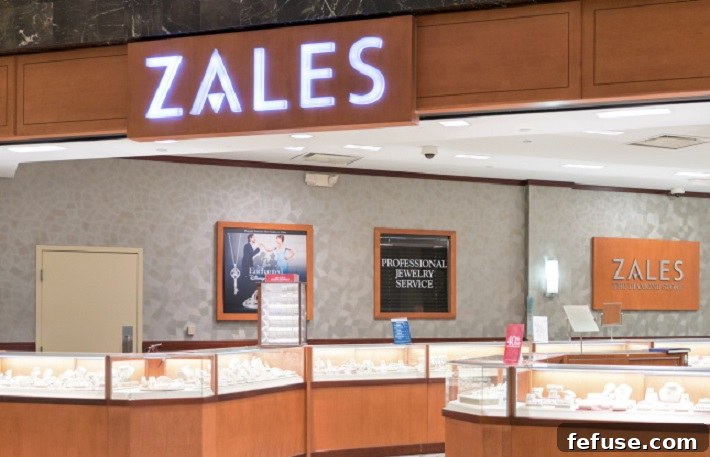
Signet’s success is not merely a matter of scale but also a testament to its diversified brand portfolio and customer-centric strategies. The company operates a family of well-known retail banners, including Kay Jewelers, Zales, Jared, Diamonds Direct, and James Allen, among others. Each brand caters to distinct consumer segments, from engagement and bridal jewelry at Kay and Zales to higher-end custom designs at Jared and an innovative online diamond experience through James Allen. This multi-brand approach allows Signet to appeal to a broad demographic, effectively capturing various price points and consumer preferences. Furthermore, the seamless integration of its vast brick-and-mortar footprint with advanced e-commerce capabilities ensures an omni-channel experience that meets modern consumer expectations, offering convenience and choice whether they prefer to shop in-store or online.
The consistent performance of Signet at the top of these rankings speaks volumes about its operational efficiency, supply chain management, and marketing effectiveness. In a market susceptible to economic fluctuations and evolving fashion trends, Signet has demonstrated remarkable resilience and adaptability, consistently delivering strong financial results and reinforcing its status as the North American jewelry market’s undisputed titan. The company’s strategic investments in digital platforms, coupled with its commitment to personalized customer service, have solidified its competitive edge and allowed it to navigate complex market dynamics with enduring success.
The Dynamic Dance of Competitors: Walmart, Richemont, and E-commerce Giants
While Signet maintains a seemingly unassailable lead, the rest of the top tier presents a fascinating study in market dynamics, with significant shifts in rankings year over year. Walmart, the retail behemoth, secures the second position with $3.38 billion in jewelry and watch sales. Walmart’s presence in the jewelry sector is primarily driven by its vast reach and affordability, catering to a mass-market audience seeking value. Its strategy differs markedly from specialty jewelers, focusing on accessible price points and convenience as part of its broader general merchandise offering. While its revenue is substantial, the gap between Walmart and Signet underscores the specialized nature and higher average transaction values within the dedicated jewelry retail sector. Walmart’s strength lies in volume and everyday accessibility, rather than specialized luxury experiences.
Perhaps one of the most compelling narratives from this year’s report is the meteoric rise of Richemont. The Swiss luxury conglomerate, renowned for its portfolio of prestigious brands, surged from sixth place last year to an impressive third. With sales climbing over 20 percent to reach $3.37 billion, Richemont’s ascent highlights the robust health and increasing demand within the luxury segment of the North American market. Brands under the Richemont umbrella, such as Cartier, Van Cleef & Arpels, IWC Schaffhausen, Jaeger-LeCoultre, and Piaget, represent the pinnacle of craftsmanship and exclusivity. This significant jump in ranking indicates a strong consumer appetite for high-end watches and jewelry, suggesting a post-pandemic rebound in luxury spending and perhaps a strategic focus by Richemont on expanding its presence and appeal within North America through exclusive boutiques and enhanced customer experiences. The luxury market often demonstrates resilience during economic shifts, as affluent consumers continue to invest in enduring value and prestige.
E-commerce and Department Store Giants: Navigating New Challenges
In contrast to Richemont’s upward trajectory, several other prominent retailers experienced shifts down the rankings, despite often reporting increased revenues. Amazon, a ubiquitous force in global retail, slipped from third to fourth place. Similarly, Costco, known for its bulk purchasing and curated selection, moved from fourth to sixth. Macy’s, a long-standing department store chain, also saw its ranking decrease from fifth to seventh. These movements, even with revenue growth, suggest that other players grew at a faster pace, or that market share dynamics are intensely competitive. Amazon’s massive online marketplace offers an unparalleled selection of jewelry, from fashion pieces to fine jewelry, leveraging its vast customer base and efficient logistics. Costco’s approach, offering high-quality diamonds and fine jewelry often below traditional retail prices to its members, has carved out a unique niche by emphasizing value and trust. Macy’s, while adapting its retail strategy, faces the broader challenges impacting traditional department stores, though its fine jewelry departments remain a significant draw for many.
The slight downward adjustments for these retail giants could be indicative of several factors. It might signal a relative slowdown in their jewelry sector growth compared to dedicated luxury or specialty jewelers, or perhaps an intensified focus from consumers on specific brand experiences that general retailers or e-commerce marketplaces find harder to replicate at the very high end. The evolving retail landscape, with its emphasis on personalized service, unique product offerings, and compelling brand storytelling, might be creating new challenges for even the most established diversified retailers. Consumers increasingly seek authenticity and a connection with the brands they choose, pushing traditional retailers to innovate their engagement strategies and product assortments.
Further Shifts and Underlying Market Currents
The report also highlighted other significant movements among the top 100 million-dollar sellers. Pandora, a global leader in charm bracelets and accessible fine jewelry, slipped from seventh to ninth place. This shift could prompt a closer look at evolving consumer preferences in the accessible luxury segment or increased competition from other brands offering similar styles. Despite a dip in ranking, Pandora’s brand recognition and widespread appeal remain strong, indicating that such movements are part of the continuous ebb and flow of a dynamic market rather than a fundamental decline. Brands like Pandora must constantly innovate and refresh their collections to maintain relevance in a fast-paced fashion jewelry environment.
Conversely, luxury powerhouses LVMH, along with Nonatum and Bucherer, all moved up in the rankings. LVMH Moët Hennessy Louis Vuitton, the world’s largest luxury group, owning iconic jewelry and watch brands like Tiffany & Co., Bulgari, and TAG Heuer, continues to solidify its formidable presence in the luxury segment. Its upward trajectory mirrors Richemont’s success, reinforcing the notion that the luxury jewelry and watch market in North America is experiencing robust growth. This growth is often fueled by strong brand equity, strategic acquisitions, and a global presence that allows them to leverage diverse markets. Bucherer, a renowned Swiss luxury watch and jewelry retailer, also making gains, signifies the increasing appetite for high-end timepieces and curated luxury shopping experiences, often through flagship stores and unparalleled customer service. The inclusion and rise of “Nonatum” in this context suggest the growing influence of private equity-backed entities or specialized investment groups within the jewelry retail space, potentially consolidating smaller players or strategically growing specific brands under their portfolio through focused investment and operational improvements.
In total, the “State of the Majors” report identified 36 retailers with sales of $100 million or more in North America, a slight decrease of two from the previous year. This subtle contraction in the number of “supersellers” might suggest a consolidation trend within the industry, where larger, more established players are increasing their market share at the expense of smaller entities, or it could reflect tighter economic conditions making it harder for businesses to cross the $100 million threshold. Regardless, it underscores the intense competition and the high bar for achieving and maintaining top-tier status in this demanding market, where only the most agile and well-resourced companies can truly thrive.
Broader Market Implications and the Future of North American Jewelry Retail
The National Jeweler “State of the Majors” report offers more than just a ranking; it provides crucial insights into the broader health and direction of the North American jewelry and watch market. The continued dominance of Signet highlights the power of a focused, multi-brand strategy combined with extensive reach. The strong performance of luxury conglomerates like Richemont and LVMH signals a robust demand for high-end products, driven by discerning consumers who value heritage, craftsmanship, and exclusivity. This suggests a bifurcated market where both accessible and aspirational luxury thrive, albeit with different customer bases and sales approaches.
The roles of e-commerce giants like Amazon and traditional department stores like Macy’s are continuously evolving. While they offer convenience and broad selections, the specialized experience provided by dedicated jewelers or luxury boutiques often differentiates them. The trend suggests that while online sales are undeniably critical, the physical retail experience, especially for high-value items, remains profoundly important. Consumers often seek the tactile experience of trying on jewelry, the personalized advice from sales associates, and the reassurance of a reputable physical store. Therefore, an effective omni-channel strategy, integrating both digital and physical touchpoints, is paramount for success in today’s complex retail environment.
Looking ahead, several factors will continue to shape the North American jewelry market. Economic stability, consumer confidence, and evolving fashion trends will all play significant roles. The emphasis on ethical sourcing, sustainability, and transparency is also gaining traction, influencing purchasing decisions, particularly among younger demographics who are increasingly conscious of a brand’s social and environmental impact. Retailers that can adapt to these shifts, offer compelling narratives around their products, and provide exceptional customer experiences – whether online or in-store – will be best positioned for sustained growth. The competitive landscape will undoubtedly continue to shift, but the allure of beautiful jewelry and watches is an enduring constant that will keep this market vibrant and fascinating for years to come.
Conclusion: Signet’s Enduring Reign Amidst a Shifting Landscape
The National Jeweler magazine’s latest “State of the Majors” report unequivocally underscores Signet Jewelers’ unparalleled command over the North American jewelry and watch market. With sales figures dwarfing its closest competitors, Signet’s strategic multi-brand approach and extensive retail footprint continue to solidify its position as the industry’s dominant force. However, the report also paints a picture of a dynamic and highly competitive market beneath Signet’s reign. The impressive surge of luxury players like Richemont and LVMH highlights a strong resurgence in high-end spending, while the movements of mass-market and e-commerce giants like Walmart, Amazon, Costco, and Macy’s reflect the ongoing strategic adjustments required in a rapidly evolving retail environment.
The slight reduction in the total number of $100 million-plus retailers suggests a potential consolidation or a tightening of the market at the very top. As consumer preferences continue to evolve, influenced by digital trends, ethical considerations, and a desire for both value and luxury, retailers across the spectrum must remain agile and innovative. The North American jewelry market, though dominated by a single titan, is far from static, promising continued fascination and competition in the years to come, all vying for a share of the glittering pie and striving to capture the hearts and wallets of discerning consumers.