
India’s Gem & Jewellery Future Shines Bright at Signature IIJS & IGJME
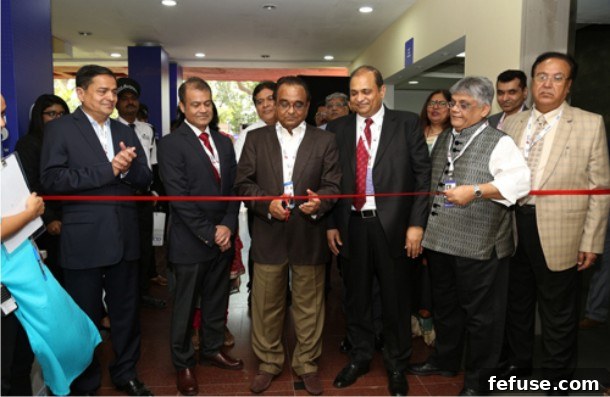
The Indian gem and jewellery sector, a cornerstone of the nation’s economy and a beacon of its rich artisanal heritage, recently convened its brightest minds and innovators at the inauguration of the 11th edition of Signature IIJS and the 5th India Gem & Jewellery Machinery Expo (IGJME). Hosted by the Gem & Jewellery Export Promotion Council (GJEPC), these twin exhibitions serve as crucial platforms for trade, technology exchange, and strategic discussions aimed at propelling the industry towards sustained growth and global leadership. The event saw veteran diamantaire Arunkumar Mehta, Chairman of Rosy Blue (India) and B.Arunkumar Group of Companies, leading the inauguration as Chief Guest, setting a forward-looking tone for the days to come.
Mehta’s address underscored a fundamental truth for the industry: the indispensable role of robust, generic promotions in re-igniting consumer interest and restoring the sector’s ‘lost glory’. His insights resonated deeply within an audience acutely aware of the evolving market landscape and the competitive pressures facing luxury goods worldwide. The collective sentiment pointed towards a proactive approach, emphasizing that the industry’s future hinges not just on exquisite craftsmanship and cutting-edge technology, but also on effectively communicating its inherent value and allure to a new generation of consumers.
The Imperative of Generic Promotions: Arunkumar Mehta’s Vision
As a seasoned leader in the global diamond trade, Arunkumar Mehta brought a wealth of experience to his keynote address. He lauded the efforts of the Diamond Producers Association (DPA) and their sustained promotional campaigns over recent years, recognizing their critical role in revitalizing demand. Mehta stressed that such initiatives must transcend geographical boundaries, extending their reach to all markets with significant growth potential. He drew a compelling historical parallel to Japan, where strategic promotional drives decades ago catalyzed a remarkable surge in diamond consumption, subsequently fueling exponential growth for the entire diamond industry. This historical success story serves as a powerful testament to the transformative power of collective marketing. Mehta’s call to “bring back the lost glory of our industry” was not merely nostalgic; it was a forward-looking challenge for industry stakeholders to invest in broad-based marketing that celebrates the timeless appeal of gems and jewellery.
The need for generic promotions has become particularly acute in an era where consumers have a myriad of discretionary spending options. Unlike branded campaigns, generic promotions focus on the intrinsic value, emotional significance, and enduring beauty of diamonds and jewellery as a category. This approach helps to build a broader market base, increasing overall demand and benefiting all players within the supply chain. By educating consumers about the unique story and value proposition of these precious items, the industry can counter emerging trends and secure its position in the luxury market. Mehta’s emphasis on replicating past successes, particularly the strategic market development seen in countries like Japan, highlights a clear roadmap for future growth – one that prioritizes unified messaging and widespread consumer engagement.
GJEPC’s Strategic Path to Global Leadership: Building ‘Brand India’
Pramod Agarwal, Chairman of the GJEPC, elaborated on the Council’s multifaceted strategy to elevate India’s gem and jewellery presence on the global stage. He announced that the newly formed GJEPC Committee had recently engaged with the Hon’ble Union Minister of Commerce & Industry, laying the groundwork for an ambitious plan to promote Indian jewellery under the prestigious ‘Brand India’ umbrella in international markets. This initiative represents a concerted effort to showcase the unparalleled artistry, diverse designs, and competitive advantages of Indian craftsmanship.
Brand India: Elevating Indian Jewellery on the World Stage
The ‘Brand India’ strategy is poised to be a game-changer, focusing not only on high-value segments but also strategically targeting handmade products and lower-cost fashion jewellery. Agarwal highlighted the immense potential of these segments, particularly handmade jewellery, in terms of employment generation and significant value addition. India’s rich tradition of intricate craftsmanship, passed down through generations, gives it a unique edge in the handmade jewellery sector. By promoting these products globally, GJEPC aims to tap into growing consumer demand for artisanal, unique, and ethically sourced items. Furthermore, the focus on fashion jewellery acknowledges the dynamic nature of the market, catering to evolving trends and making Indian jewellery accessible to a broader consumer base. This dual approach ensures both traditional excellence and contemporary relevance, positioning India as a versatile and formidable player in the global jewellery landscape.
The ‘Brand India’ initiative is more than just a marketing campaign; it is a holistic effort to build trust, recognition, and preference for Indian-made jewellery. It will involve showcasing India’s design prowess, ethical sourcing practices, and skilled workforce at international trade fairs, through digital campaigns, and by fostering collaborations with global retailers. By creating a strong, unified identity, Indian jewellery can command higher value and secure a greater market share, ultimately benefiting countless artisans, manufacturers, and exporters across the country. The long-term vision is to establish India as the preferred global hub for high-quality, diverse, and responsibly produced gem and jewellery products.
Strengthening Domestic Infrastructure and Artisan Skills
Agarwal further detailed several crucial areas where the GJEPC is working in close collaboration with the government to upgrade and support smaller units, many of which operate within the unorganized sector. These initiatives are designed to foster an environment of growth, innovation, and sustainability:
- Common Facility Centres (CFCs): The establishment of CFCs across various locations nationwide is a pivotal step. These centers provide smaller artisans and manufacturers access to state-of-the-art technology, specialized machinery, and shared resources that would otherwise be cost-prohibitive. This democratizes access to advanced tools, enabling artisans to significantly upgrade their skills, improve product quality, and enhance overall efficiency. The CFCs are vital for modernizing production processes and ensuring that even the smallest units can compete effectively.
- Help Desks and Guidance in Council Offices: To streamline operations and provide direct support, GJEPC is establishing dedicated Help Desks in its offices. These desks offer expert advice to members on various aspects, from export procedures and market access to regulatory compliance and business development strategies. By providing direct guidance, GJEPC aims to empower its members, particularly those new to international trade, to confidently expand their export footprint.
- Strengthening Indian Gemmological Labs: Ensuring the credibility and international acceptance of certificates issued by Indian gemmological labs is paramount. The GJEPC is working to enhance the infrastructure, technology, and expertise within these labs, bringing them in line with global standards. This move is crucial for building trust among international buyers, as robust and universally recognized certification adds immense value and transparency to Indian-sourced gems and jewellery.
- Enhancing the Network of Design Institutes: Innovation in design is key to staying competitive and relevant in the global market. The Council is committed to strengthening and expanding the network of design institutes across the country. These institutes nurture emerging talent, foster creativity, and ensure a continuous pipeline of fresh, innovative designs that resonate with international trends while retaining a distinctive Indian aesthetic. This investment in design education is essential for India to transition from being primarily a manufacturing hub to a design and innovation powerhouse.
Signature IIJS & IGJME: A Catalyst for Growth and Opportunity
Shailesh Sangani, Convener–National Exhibitions, GJEPC, provided an optimistic outlook on the immediate impact and future potential of the twin shows. He noted that the timing of the exhibitions was exceptionally opportune, designed to capitalize on the significant traction the industry has gained in recent months. This momentum, coupled with strategic governmental policies, sets a positive trajectory for the sector.
Riding the Wave of Industry Momentum
Sangani emphasized that the exhibitions would serve as a critical platform for industry players to strategically prepare for an anticipated surge in jewellery demand. This expected growth is largely attributed to proactive measures announced in the recent national budget, specifically those aimed at boosting rural incomes and enhancing employment opportunities. When rural incomes increase, discretionary spending on items like jewellery typically follows, creating a ripple effect across the economy. Furthermore, improved employment figures translate into greater consumer confidence and purchasing power, underpinning a robust demand for luxury and lifestyle products. The Signature IIJS and IGJME provide the ideal setting for manufacturers and retailers to showcase new collections, forge new partnerships, and align their production capabilities with the evolving market demands, ensuring they are well-positioned to meet this forthcoming wave of consumer interest.
Unprecedented Scale and Visitor Enthusiasm
The buoyant mood was palpably reflected in the impressive increase in pre-registered visitors. Sangani reported a remarkable 14,500 pre-registrations at the commencement of the show, a significant leap from 11,000 in the previous year. Organizers were confident this number would further swell to approximately 16,000 by the conclusion of the events, signaling strong industry engagement and optimism. This surge in visitor interest underscores the growing confidence within the sector and the undeniable value perceived in attending these premier trade events.
This year’s edition of Signature IIJS and IGJME also marked a significant expansion in physical scale. An additional exhibition hall, adding a substantial 7,000 square meters of floor space, accommodated 200 more booths. This expansion was not merely about size; it strategically provided an invaluable opportunity to exhibitors who had previously been on a waiting list, allowing a broader spectrum of businesses to showcase their products and innovations. Crucially, this expansion also facilitated the further development of IGJME, the machinery expo. Sangani articulated an ambitious vision for IGJME, stating, “In time we want to build IGJME into the premier and largest machinery expo in Asia for the industry.” This objective highlights a commitment to fostering technological advancement and manufacturing excellence within India’s gem and jewellery sector, aiming to make it a global leader in both product and production capabilities. By expanding IGJME, GJEPC is directly addressing the need for modernized machinery, enhanced efficiency, and sustainable manufacturing practices, which are essential for long-term competitiveness.
A Glimpse into the Future: Buoyant Mood and Market Expectations
The initial day of the exhibitions witnessed a steady and encouraging inflow of visitors into the halls. As is often the case, the gold jewellery section experienced a particularly significant rush, underscoring the enduring appeal and cultural significance of gold in India. While exhibitors prudently noted it was premature to offer definitive comments on sales performance, the overarching sentiment across all halls was decidedly buoyant. There was a palpable sense of anticipation and optimism, with high expectations for an even larger influx of visitors and brisk business over the subsequent two days of the expo. This positive atmosphere is a strong indicator of renewed confidence in the market, driven by favorable economic conditions, strategic industry initiatives, and the inherent resilience of the Indian gem and jewellery sector. The consistent interest in the gold section also reaffirms its status as a core demand driver within the domestic market, providing a stable foundation for broader industry growth.
The Road Ahead for India’s Gem & Jewellery Sector
The collective sentiments expressed at the inauguration of Signature IIJS and IGJME paint a vivid picture of an industry poised for significant transformation and growth. From the urgent call for sustained generic promotions to the meticulous planning behind ‘Brand India’ and the strategic investments in infrastructure and skill development, every aspect underscores a proactive approach to securing India’s leadership in the global gem and jewellery market. The enthusiastic response from visitors and the expanded scale of the exhibitions themselves are clear indicators that the industry is not just recovering, but thriving, driven by innovation, collaboration, and an unwavering commitment to excellence. As India continues to leverage its rich heritage, skilled workforce, and forward-thinking policies, the shine of its gems and jewellery is set to become even brighter on the world stage, fulfilling the aspiration of regaining its lost glory and establishing new benchmarks for the future.