
India Imposes Restrictions on Precious Metal Imports from South Korea: A Strategic Move to Safeguard Domestic Interests
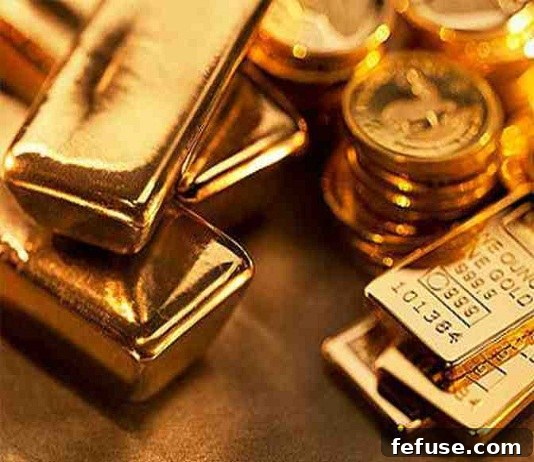
In a significant policy adjustment aimed at regulating the inflow of certain goods and protecting its domestic market, the Government of India, through its Directorate General of Foreign Trade (DGFT), issued a crucial notification on August 25, 2017. This directive placed immediate restrictions on the import of specific categories of items from South Korea, including jewellery, components and parts intended for jewellery manufacturing, a range of precious metal products (encompassing both gold and silver), metal products clad with precious metals, and precious metal coins. This decisive action underscored India’s commitment to monitoring and managing its trade relationships, particularly concerning sensitive sectors.
The impetus behind this sudden imposition of trade barriers was a noticeable and substantial surge in the import of precious metals from South Korea into India during the preceding months. Reports from the time highlighted an unprecedented increase in these imports, particularly between July and early August 2017. This sharp rise triggered concerns among policymakers and industry stakeholders, prompting a swift governmental response to investigate and mitigate potential adverse effects on the Indian economy.
The Alarming Spurt in Precious Metal Imports: A Closer Look
The figures illustrating this import surge were indeed striking and provided a clear rationale for the government’s intervention. According to a Livemint report dated August 25, 2017, gold imports alone from South Korea skyrocketed to an astounding $338.6 million within a relatively short period, specifically from July 1 to August 3 of that year. To put this into perspective, the total gold imports from South Korea for the entire fiscal year 2016-17 stood at a comparatively modest $70.46 million. This meant that within just over a month, India had imported nearly five times the amount of gold from South Korea than it had in the preceding full financial year. Such an exponential and rapid increase signaled a fundamental shift in trade patterns, raising red flags regarding potential arbitrage opportunities and revenue implications.
Beyond the raw statistics, the implications of such a sudden influx were multifaceted. A disproportionate increase in precious metal imports can strain a country’s current account deficit, impact foreign exchange reserves, and potentially disrupt the stability of domestic markets. Furthermore, it can create an unfair competitive landscape for local manufacturers and refiners, who operate under a different tax and duty structure. The government’s swift response indicated its recognition of these potential risks and its proactive stance in addressing them.
Understanding the FTA Loophole: India-South Korea CEPA and its Unintended Consequences
The root cause of this alarming import surge was identified as a specific clause within the Free Trade Agreement (FTA) existing between India and South Korea. This agreement, formally known as the India-Korea Comprehensive Economic Partnership Agreement (CEPA), was designed to foster greater economic cooperation and facilitate trade between the two nations by reducing or eliminating tariffs on a wide range of goods. Under this framework, certain imports from South Korea, including precious metals like gold, were exempt from customs duty.
This exemption, while intended to promote bilateral trade, inadvertently created a significant advantage for importers. Previously, a countervailing duty (CVD) of 12.5% was applicable on such imports, which somewhat balanced the playing field. However, with the rollout of India’s Goods and Services Tax (GST) regime on July 1, 2017, the CVD was subsumed into the new indirect tax structure. Consequently, imports of gold and silver from FTA partners like South Korea now only attracted a 3% integrated GST (IGST). This was in stark contrast to imports from non-FTA countries, which continued to be subject to a 10% customs duty in addition to the IGST.
This disparity created a significant arbitrage opportunity. Importers could source gold and silver from South Korea at a substantially lower total tax incidence (3% IGST) compared to other countries (10% customs duty + IGST). This substantial cost advantage naturally led to a diversion of imports towards South Korea, resulting in the observed “spurt.” While the CEPA aimed to liberalize trade, this particular outcome highlighted a loophole that allowed for unintended economic consequences, primarily in terms of revenue loss for the Indian government and potential distortions in the domestic market for precious metals.
Government’s Decisive Action: Placing Imports in the “Restricted” Category
To address this pressing issue and plug the identified loophole, the DGFT’s August 25, 2017, notification declared imports of gold and silver items, along with related products, from South Korea as belonging to the “Restricted” category. This reclassification marked a significant shift from previous policy, where such imports might have been under the “Free” category, requiring minimal regulatory oversight.
The practical implication of this declaration is profound: all importers seeking to bring in any of the listed items from South Korea must now obtain an explicit import licence from the DGFT. This new requirement introduces a layer of regulatory scrutiny and control that was previously absent. The licensing process allows the government to monitor the volume, value, and nature of these imports, ensuring that they are legitimate and do not lead to further market distortions or revenue leakages. It also provides the DGFT with the power to approve or reject import requests based on various economic and trade policy considerations, effectively curbing the unchecked influx observed earlier.
The list of restricted items is comprehensive, covering finished goods like jewellery and precious metal coins, as well as intermediate products such as parts intended for jewellery, and raw materials like gold and silver in various forms. This broad scope ensures that the restriction effectively covers all avenues through which precious metals and related products might have been entering the country under the advantageous FTA terms.
Broader Implications and Lessons Learned from Trade Policy Dynamics
The Indian government’s move has several broader implications, both for the immediate trade landscape and for future policy considerations. For importers, the immediate impact includes increased administrative burden, potential delays in customs clearance due to the licensing process, and a possible increase in operational costs. This will likely lead to a re-evaluation of sourcing strategies, potentially shifting focus back to other markets or domestic procurement.
For India’s domestic jewellery and precious metals industry, the restriction is largely seen as a positive step. It aims to create a more level playing field, protecting local manufacturers from an influx of cheaper imports that benefited from a tax advantage. This can help stimulate domestic production, safeguard jobs, and ensure the long-term viability of the sector.
From a macroeconomic perspective, the restriction is expected to help manage India’s trade deficit by reducing the outflow of foreign exchange for these specific imports. It also aims to recover potential revenue losses stemming from the previous arbitrage opportunity, contributing to the government’s fiscal health.
This incident also serves as a crucial lesson in the dynamic nature of international trade agreements and domestic taxation policies. While FTAs are instrumental in fostering global trade and economic growth, their interaction with evolving domestic tax regimes, like the GST, can sometimes create unforeseen loopholes. Governments must remain vigilant, constantly reviewing and adapting their policies to prevent misuse and ensure that trade agreements genuinely serve their intended purpose of mutual economic benefit without compromising national interests.
The situation highlights the need for robust mechanisms to monitor trade flows and quickly respond to anomalies. It underscores the importance of a flexible trade policy framework that can adapt to changing economic realities and prevent specific sectors from being unduly impacted by unintended consequences of broader trade liberalization efforts. While the India-South Korea CEPA remains a cornerstone of bilateral relations, this specific restriction demonstrates India’s resolve to fine-tune its implementation to align with its economic objectives.
Conclusion: Balancing Trade Liberalization with National Economic Safeguards
The August 2017 notification by the DGFT, imposing restrictions on precious metal imports from South Korea, represents a decisive and strategic measure by the Indian government. Driven by an unprecedented surge in imports facilitated by a loophole in the India-South Korea CEPA exacerbated by the new GST regime, the move aimed to protect domestic industries, prevent revenue leakage, and restore equilibrium in the precious metals market. By placing these items under the “Restricted” category and mandating import licenses, India effectively reasserted control over a critical segment of its trade. This incident serves as a pertinent example of how nations must continually balance the benefits of trade liberalization with the imperative of safeguarding their national economic interests against unforeseen challenges and unintended policy outcomes.