
House of Fraser’s Transformative Rescue Plan: Navigating the Future of UK Retail
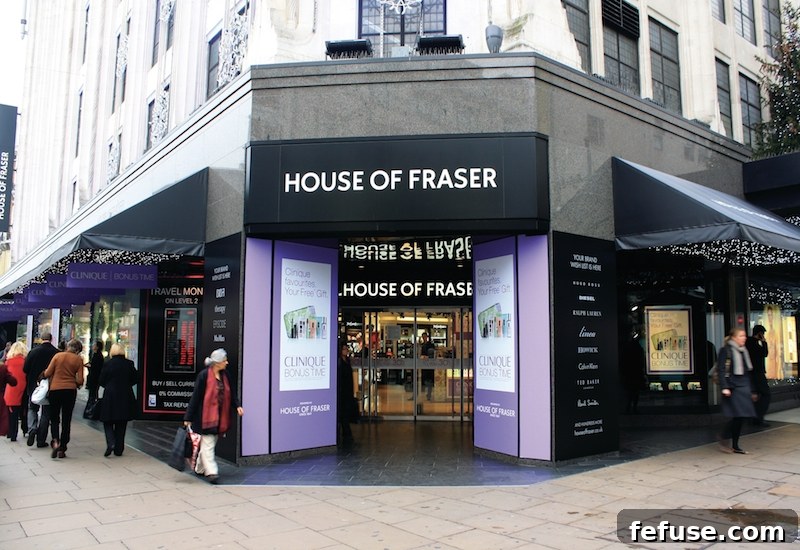
The iconic British department store, House of Fraser, has unveiled a comprehensive rescue plan aimed at securing its long-term future amidst a challenging retail climate. This ambitious strategy, revealed yesterday, involves the proposed closure of 31 out of its 59 stores, a move that underscores the significant pressures faced by traditional high-street retailers across the United Kingdom.
This critical restructuring, formally presented as a Company Voluntary Arrangement (CVA), is designed to stabilize the business and pave a viable path forward. Should the plan receive the necessary approvals, its implementation is expected to have a substantial impact on the company’s workforce and its extensive network of concessions. An estimated 2,000 direct House of Fraser employees are slated for redundancy, alongside a further 4,000 individuals employed in brand and concession roles within the affected stores. This totals a staggering 6,000 potential job losses, highlighting the profound human cost of the ongoing retail transformation.
The Evolving Landscape of British Department Stores
House of Fraser’s predicament is not an isolated incident but rather a microcosm of the broader struggles confronting British department stores. For decades, these retail giants served as cornerstones of high streets, offering a diverse array of products from fashion and beauty to homeware and electronics. However, the advent of e-commerce, coupled with shifting consumer preferences for online convenience, competitive pricing, and experiential shopping, has severely eroded their traditional market share.
High operational costs, including exorbitant rents and business rates, further compound the difficulties, making it increasingly challenging for brick-and-mortar stores to compete effectively with agile online rivals. The current retail environment demands unprecedented levels of adaptability and innovation, pushing even established brands like House of Fraser to undertake drastic measures to remain relevant and solvent.
A Unique Proposition: House of Fraser’s Commitment to Jewellery and Watches
Despite the prevailing headwinds, House of Fraser has historically carved out a distinctive niche, particularly within the jewellery and watch sectors. Unlike many of its competitors, the department store has been celebrated not only for its curation of leading global and national brands but also for its proactive approach to fostering emerging talent and innovative designs. This willingness to embrace new and exciting brands has long been a defining characteristic of its retail strategy.
The jewellery departments within House of Fraser stores have consistently showcased an impressive selection from industry stalwarts such as Swarovski, renowned for its crystal creations; Pandora, with its customizable charm bracelets; and Thomas Sabo, celebrated for its contemporary sterling silver designs. These established brands form the backbone of their offering, attracting a loyal customer base seeking quality and recognition.
Pioneering New Talent and Trendsetting Brands
What truly differentiates House of Fraser, and what has earned it considerable acclaim within the professional jewellery community, is its forward-thinking approach to product acquisition. The House of Fraser jewellery buying team has gained a reputation for being among the first to identify and introduce brand-new jewellery products to the mass market. They are frequent attendees at major trade shows, constantly scouting for innovative designs and up-and-coming brands that resonate with contemporary consumer tastes.
This proactive strategy has yielded significant successes. House of Fraser was notably one of the earliest adopters of brands under the prestigious Swarovski Group, including Adore and the fashion-forward Karl Lagerfeld jewellery line. Both brands have reported robust sales figures within House of Fraser outlets, underscoring the department store’s ability to spot trends and cultivate successful partnerships. More recently, the retailer commenced selling the burgeoning fashion brand Lily and Rose, which has also enjoyed a positive reception both in-store and through the retailer’s online platform, further validating their keen eye for commercial potential.
Celebrating British Craftsmanship and Diverse Offerings
Beyond international giants, House of Fraser has consistently championed British design and manufacturing. Its shelves proudly feature acclaimed British jewellery brands such as Buckley London, known for its accessible luxury; Daisy London, celebrated for its spiritual and nature-inspired pieces; Azendi, with its elegant and contemporary sterling silver collections; and Tutti & Co, offering fashion-forward accessories. This commitment not only supports local industries but also provides customers with a diverse range of styles that reflect British heritage and modern design sensibilities.
The department store also caters comprehensively to the male demographic, presenting an extensive selection of men’s jewellery and accessories. Distinguished brands like Fred Bennett, offering modern and classic designs; Tateossian, known for its innovative and luxurious cufflinks and bracelets; and Simon Carter, with its distinctive and sophisticated men’s accessories, are well-represented across its stores nationwide, ensuring a broad appeal for all customers.
A Strong Watch Division through Strategic Partnerships
On the watch side, House of Fraser maintains a robust and thriving business, largely thanks to its strategic partnerships. One of its most significant concession partners is the global powerhouse Fossil Group. Under the well-recognized Watch Station brand name, Fossil Group expertly manages and operates the extensive watch business for House of Fraser, providing a curated selection of timepieces from a multitude of popular brands. This collaboration leverages Fossil Group’s expertise in watch retail and logistics, offering House of Fraser customers access to a premium and comprehensive watch shopping experience.
The Road to Approval: A Critical Creditor Vote
The fate of House of Fraser’s rescue plan hinges on a crucial vote. The department store requires the approval of at least 75% of its creditors to proceed with these drastic yet necessary cuts. This high threshold reflects the severity of the proposed changes and the significant impact they will have on landlords, suppliers, and concession partners. The CVA process provides a legal framework for companies to reach agreements with creditors to avoid insolvency, often involving store closures, rent reductions, and other operational adjustments.
Should the Company Voluntary Arrangement be approved, the phased closure of the identified stores would commence, with all operations ceasing in early 2019. The list of affected locations spans across the UK, highlighting the widespread implications of this restructuring.
The Stores Facing Closure
The proposed store closures will impact numerous communities across England, Scotland, and Wales. Each closure represents not only a loss of retail presence but also a significant blow to local employment and the vibrancy of the high street. The stores slated to cease trading in early 2019, if the CVA is approved, include:
- Altrincham
- Aylesbury
- Birkenhead
- Birmingham
- Bournemouth
- Camberley
- Cardiff
- Carlisle
- Chichester
- Cirencester
- Cwmbran
- Darlington
- Doncaster
- Edinburgh Frasers
- Epsom
- Grimsby
- High Wycombe
- Hull
- Leamington Spa
- Lincoln
- London Oxford Street
- London King William Street
- Middlesbrough
- Milton Keynes
- Plymouth
- Shrewsbury
- Skipton
- Swindon
- Telford
- Wolverhampton
- Worcester
The inclusion of key locations such as London Oxford Street and Birmingham underscores the depth of the challenges House of Fraser faces, as these are traditionally high-footfall areas for major retailers.
The Future of High Street Retail and House of Fraser’s Path Forward
The current retail landscape demands more than just product offerings; it necessitates unique experiences, seamless omnichannel integration, and a deep understanding of evolving consumer demands. For the remaining House of Fraser stores, the challenge will be to adapt quickly and effectively, transforming into more dynamic and experiential retail destinations.
Strategies might include a greater emphasis on personalized customer service, in-store events, exclusive product launches, and an enhanced integration of their online and physical retail channels. The commitment to unique brand curation, especially within jewellery and watches, could be a critical differentiator, allowing the leaner store portfolio to focus on premium offerings and a more targeted customer experience.
Ultimately, House of Fraser’s future hinges on its ability to successfully navigate this CVA process and subsequently reinvent itself within a rapidly changing market. This rescue plan, while painful in its immediate impact, represents a critical juncture for the historic retailer. It is a bold attempt to shed unsustainable costs and emerge as a more resilient, focused, and adaptable player in the competitive world of British retail. The coming months will be pivotal in determining whether this strategic overhaul can indeed secure a sustainable future for one of the UK’s most cherished department store brands.