
Assam’s Golden Promise: Bridging Tradition and Welfare Amidst India’s Election Fervor
As India gears up for a pivotal general election, the political landscape is vibrant with various parties unveiling compelling welfare schemes aimed at securing voter support. Among the most distinctive and culturally resonant initiatives to emerge is the announcement from the northeastern state of Assam. Governed by Prime Prime Minister Narendra Modi’s Bharatiya Janata Party (BJP), Assam has pledged to provide gold worth approximately $530 to every bride from an economically disadvantaged family. This move, a blend of traditional customs and modern welfare, stands out as a significant budget allocation designed to resonate deeply with a key demographic, particularly in a year marked by intense electoral competition.
The Arundhati Gold Scheme: A New Benchmark in Welfare
The scheme, officially known as the Arundhati Gold Scheme, represents a novel approach to social welfare in India. While cash handouts, loan waivers, and subsidies are common electoral promises, the direct gifting of gold adds a unique dimension. Assam’s Finance Minister, Himanta Biswa Sarma, detailed the ambitious program during his budget speech, allocating a substantial 3 billion rupees (approximately $42 million) for the upcoming fiscal year, commencing April 1. This considerable sum is earmarked to procure an estimated 875 kilograms of gold, which is sufficient to benefit around 80,000 brides across the state.
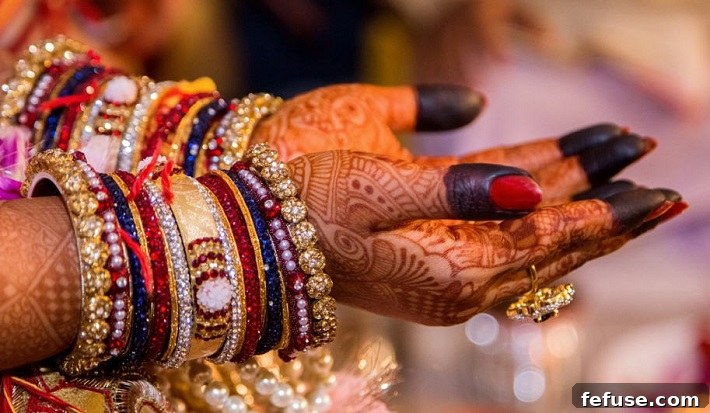
Minister Sarma articulated the cultural underpinning of the scheme, emphasizing that “a customary ritual which has been part of Assamese society for centuries is to gift a set of gold ornaments to one’s daughter as a blessing as she leaves her father’s home to start a new life.” This statement highlights the program’s intention to align with deep-seated cultural practices, thereby making it not just a financial aid but also a gesture of cultural respect and support. The primary objective, as stated by Sarma, is to alleviate the financial burden on poor families, preventing them from incurring debilitating debt to finance their daughters’ weddings. He underscored his personal commitment, stating, “I feel that it’s my solemn responsibility to stand with those fathers who cannot afford to gift a set of gold ornaments.”
Eligibility and Implementation Details
To ensure the scheme reaches its intended beneficiaries, strict eligibility criteria have been established. The Arundhati Gold Scheme is limited to two women from each family, with the household’s annual income not exceeding 500,000 rupees (approximately $7,000). Each eligible bride is entitled to one “tola” of gold, a traditional Indian unit of weight equivalent to 11.66 grams. In a transparent move, Sarma confirmed that the Assam government intends to purchase the gold directly from the Reserve Bank of India (RBI) and distribute it to the beneficiaries, bypassing intermediaries and aiming for efficient delivery.
Gold’s Enduring Significance in Indian Culture and Economy
The choice of gold as a welfare offering is deeply rooted in India’s cultural fabric and economic realities. For centuries, gold has held a revered status in India, symbolizing prosperity, divinity, and purity. It is an indispensable part of Indian weddings, often presented as a blessing to the bride, serving not merely as an adornment but also as a form of financial security. For many Indian families, especially those in rural areas, gold jewelry represents a tangible asset that can be liquidated during times of financial distress, making it a crucial component of household wealth.
India is globally recognized as the world’s second-largest consumer of gold, trailing only China. The World Gold Council projects India’s gold consumption to be between 750 and 850 tonnes in the current year, underscoring the metal’s immense demand within the country. This strong cultural preference and economic utility of gold mean that a scheme offering it directly to brides is likely to be exceptionally well-received, tapping into both emotional and practical needs of the populace. It implicitly addresses the often-heavy financial expectations associated with Indian weddings, providing a fundamental resource that families typically strive to acquire.
The Broader Political and Economic Climate
The introduction of Assam’s gold scheme cannot be viewed in isolation; it is intricately linked to the broader political and economic narrative unfolding across India ahead of the general elections, which must be held by May. The ruling BJP, under Prime Minister Modi, faces significant challenges in its bid for re-election. Public discontent stemming from persistently low farm incomes and a perceived lack of adequate job creation has alienated a segment of voters who enthusiastically supported the party in the 2014 polls.
In response, both the federal government and various state governments have been proactive in announcing a slew of welfare measures. Just last week, the central government unveiled significant cash handouts for farmers, coupled with strategic tax cuts designed to benefit the lower middle class. Furthermore, in a move to stimulate the economy and in line with government expectations, the Reserve Bank of India (RBI) cut interest rates for the first time since 2017, signaling a concerted effort to boost economic activity and ease financial pressures on citizens and businesses alike.
The opposition Congress party has also engaged in similar election-year tactics, demonstrating the competitive nature of Indian politics. In states where it holds power, the Congress party has been implementing farmer loan forgiveness programs and promising cash handouts to the unemployed, directly targeting voter grievances related to agricultural distress and job scarcity. This tit-for-tat approach to welfare announcements underscores the intensity of the electoral battle, where tangible benefits offered to voters often play a crucial role in shaping public opinion and electoral outcomes.
Beyond Gold: Assam’s Diverse Welfare Initiatives
The Assam government’s commitment to welfare extends beyond the glittering promise of gold. Recognizing the importance of education and youth empowerment, Minister Sarma also announced a scheme to provide electric bikes to girls who achieve a commendable score of at least 60 percent in their school-leaving examinations. This initiative aims to facilitate their access to higher education institutions, thereby promoting female literacy and reducing barriers to advanced learning, especially in rural or semi-urban areas where transportation can be a significant challenge. By investing in both cultural traditions and modern educational tools, the Assam government seeks to foster holistic development and garner broad-based support.
The Debate Around “Election Freebies” and Regulatory Frameworks
These welfare announcements, while popular, often spark a debate about “election freebies” or “revadi culture” – a term used to describe the practice of political parties offering gifts or services to voters in exchange for support. Minister Sarma, anticipating such criticisms, directly rejected accusations from the opposition that he was making “fake promises” merely to win votes. He positioned these initiatives as genuine efforts to uplift the disadvantaged and honor cultural traditions.
Indeed, the practice of offering presents to voters is not new in Indian politics. In past elections, a variety of goods, ranging from practical household items like electric fans and pressure cookers to technological gadgets such as laptops and televisions, have been distributed. This highlights a persistent feature of India’s democratic process, where political parties find diverse and often creative ways to connect with and incentivize voters. However, such gift-giving operates under specific legal constraints. Under India’s stringent election laws, the distribution of gifts and the announcement of new schemes must cease once the election dates are officially declared and the Model Code of Conduct comes into effect. This regulatory framework is designed to ensure a level playing field and prevent undue influence on the electorate during the campaign period.
Conclusion: A Golden Gambit in a Crucial Election Year
Assam’s Arundhati Gold Scheme is a bold and culturally astute move that symbolizes the intricate blend of welfare, tradition, and electoral strategy in India. By offering tangible support in the form of gold and educational tools like electric bikes, the BJP-led state government is attempting to address deep-seated socio-economic needs while simultaneously bolstering its electoral prospects. This initiative, set against a backdrop of widespread welfare announcements by both ruling and opposition parties, underscores the fierce competition defining the upcoming general elections.
The success of these schemes in swaying public opinion and ultimately influencing the election outcome remains to be seen. However, Assam’s golden promise to its brides and its commitment to empowering its youth stand as a compelling example of how political parties are adapting their strategies to resonate with the diverse aspirations and cultural values of the Indian electorate in a crucial election year. As the nation draws closer to the polls, the impact of such welfare initiatives will undoubtedly be a key factor in determining India’s future political trajectory.
(Note: $1 = 71.6060 rupees at the time of the original news report)