
Kering Navigates Challenging Q1 with Resilience in High Jewelry Amidst Revenue Dip
The first quarter of 2024 presented a complex financial landscape for Kering, the esteemed French luxury conglomerate. The group reported an 11 percent decline in revenue, totaling $4.8 billion, a figure that underscores the prevailing headwinds in the global luxury market. Despite this overall contraction, Kering’s high jewelry divisions emerged as beacons of robust performance, notably Boucheron, which recorded significant double-digit growth, alongside “outstanding performances” from its other high jewelry maisons. This dichotomous performance highlights both the vulnerabilities and the enduring strengths within Kering’s diverse portfolio, reflecting broader trends in consumer spending and luxury investment.
Unpacking Kering’s Q1 2024 Financials: A Closer Look at the $4.8 Billion Revenue
Kering’s First Quarter 2024 Revenue report painted a clear picture of a challenging operational environment. The reported $4.8 billion revenue represents a notable downturn compared to the previous year, signaling a period of adjustment for the luxury giant. This decline was largely attributed to a confluence of factors, including a pervasive adverse macro-economic backdrop and particularly volatile market conditions in key regions. The report explicitly stated the difficulties encountered, characterizing the market as “tough” overall, with specific emphasis on the “volatile and challenging” nature of the Asia-Pacific region, a critical market for luxury goods.
The overall revenue dip was a central theme, impacting various segments of Kering’s extensive brand portfolio. While the group’s fashion powerhouses—Gucci, Yves Saint Laurent, and Bottega Veneta—along with its eyewear brands, collectively account for approximately three-quarters of its total revenues, these segments faced significant pressure. The “other houses” category, which encompasses watches and jewelry, also experienced an overall 7 percent drop in revenue for Q1 2024. However, within this category, the narrative shifts dramatically when focusing specifically on the high jewelry maisons, revealing a segment that defied the general downward trend.
The Luminous Ascent of Kering’s High Jewelry Maisons: Boucheron Leads the Charge
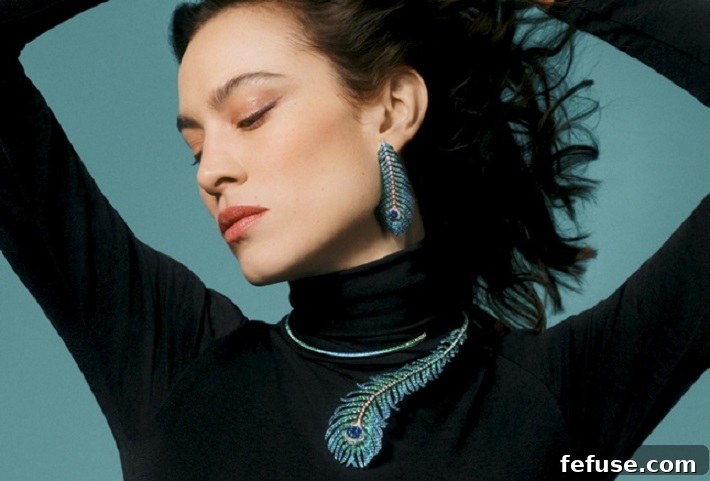
Amidst the broader revenue challenges, Kering’s jewelry houses stood out as remarkable performers, demonstrating exceptional resilience and growth. The First Quarter 2024 Revenue report specifically lauded the “outstanding performances” delivered by Kering’s jewelry houses, a segment that includes esteemed names such as Pomellato, DoDo, and Qeelin. The standout success story within this segment was undoubtedly Boucheron, which achieved “sharp double-digit growth.” While specific financial figures for individual jewelry brands were not disclosed, the emphasis placed on their performance underscores their strategic importance and robust market demand.
This exceptional growth in high jewelry is particularly noteworthy given the prevailing market difficulties. It suggests a resilient demand for ultra-luxury items, often viewed as investment pieces or symbols of enduring value, especially by high-net-worth individuals who may be less impacted by economic fluctuations. The exclusivity, craftsmanship, and heritage associated with brands like Boucheron continue to resonate strongly with discerning consumers globally. Kering’s strategic focus on elevating its high jewelry division appears to be yielding substantial dividends, positioning these maisons as key growth drivers and stabilizers within the group’s diverse brand ecosystem.
The sustained success of Pomellato, DoDo, and Qeelin further reinforces the strength of Kering’s specialized jewelry portfolio. Each brand caters to distinct market segments and aesthetic preferences, from Pomellato’s sophisticated and unconventional designs to DoDo’s playful and symbolic charms, and Qeelin’s fusion of Chinese heritage with contemporary luxury. This diversified approach allows Kering to capture a broader spectrum of the luxury jewelry market, mitigating risks and capitalizing on various consumer trends. The investment in unique brand identities and high-quality craftsmanship across these brands is clearly paying off, cementing their status as valuable assets for the group and demonstrating the enduring appeal of meticulously crafted, emotionally resonant pieces.
Strategic Repositioning and Market Dynamics: Challenges Faced by Fashion Flagships
While high jewelry glittered, Kering’s core fashion brands faced a more formidable environment. Gucci, Yves Saint Laurent, and Bottega Veneta, which form the bedrock of Kering’s revenue, experienced the brunt of the market downturn. The most prominent factor influencing these brands, particularly Gucci, was a deliberate “strategic repositioning.” This strategic pivot, initiated to revitalize brand appeal and long-term value, often entails short-term challenges as new creative directions are implemented, pricing strategies are adjusted, and distribution networks are refined. Such a comprehensive overhaul, while essential for future growth, can temporarily impact sales as consumers adapt to the evolving brand identity.
François-Henri Pinault, Kering’s chairman and CEO, candidly addressed these challenges, stating, “While we had anticipated a challenging start to the year, sluggish market conditions, notably in China, and the strategic repositioning of certain of our Houses, starting with Gucci, exacerbated downward pressures on our topline.” This statement underscores the dual impact of external market forces and internal strategic decisions on the group’s overall performance. The repositioning of Gucci, a powerhouse brand, is a complex undertaking designed to ensure its relevance and allure in an intensely competitive luxury landscape. This includes a refreshed creative vision under new leadership, aiming to re-energize its appeal to both existing and new luxury consumers and solidify its position at the pinnacle of high fashion.
Beyond Gucci, other fashion houses within the Kering portfolio also felt the impact of the challenging macro-economic climate. Consumers across various regions have become more cautious in their discretionary spending, particularly on aspirational luxury items, preferring instead to invest in established, timeless pieces or hold back altogether. This shift in consumer behavior, coupled with the concentrated efforts to strategically realign core brands, created a perfect storm that contributed significantly to the group’s overall revenue decline. The market conditions, especially in the crucial Chinese market, played a pivotal role in amplifying these pressures, creating an environment where even established luxury brands had to contend with reduced demand for their latest collections.
Navigating Global Headwinds: The Impact of Macro-Economic Factors and Regional Volatility
The “adverse macro-economic backdrop” cited by Kering is a pervasive theme affecting luxury conglomerates worldwide. Factors such as inflationary pressures, rising interest rates, and geopolitical uncertainties have collectively contributed to a downturn in global consumer confidence. In this environment, luxury purchases, particularly those that are not considered “investment-grade” like high jewelry, often see a decrease. Consumers become more discerning, prioritizing value and longevity, which can slow sales for fashion-led items that often rely on seasonal trends and impulse purchases. This cautious approach has a direct bearing on the performance of fashion brands that frequently introduce new collections.
The Asia-Pacific region, and China specifically, was highlighted as a major source of concern due to its “volatile and challenging” conditions. China has long been a growth engine for the luxury industry, but a post-pandemic economic slowdown, coupled with evolving consumer preferences and increased domestic competition, has presented significant hurdles. The luxury market in China is undergoing a transformation, with consumers becoming more sophisticated, seeking authenticity and unique experiences rather than overt brand displays. This shift, combined with economic anxieties, has directly impacted sales volumes for international luxury brands, including Kering’s portfolio, demanding a nuanced approach to market engagement and brand storytelling.
Furthermore, fluctuating currency exchange rates and geopolitical tensions in various parts of the world also add layers of complexity to international luxury operations. These external factors are largely beyond the direct control of luxury groups but necessitate agile business strategies, diversified market approaches, and robust risk management. Kering’s acknowledgement of these external pressures indicates a realistic assessment of the global economic climate and its direct implications for the luxury sector, suggesting that the challenges faced are not entirely internal but are also a reflection of broader global economic trends that require careful navigation and strategic foresight.
Leadership’s Outlook: François-Henri Pinault’s Candid Assessment and Future Projections
In a clear reflection of the quarter’s difficulties, François-Henri Pinault, Kering’s chairman and CEO, offered a forthright assessment of the situation. His statement, “Kering’s performance worsened considerably in the first quarter,” was a direct acknowledgment of the significant challenges the group faced. He further elaborated on the implications for the near future, stating, “We now expect to deliver sharply lower operating profit in the first half of this year.” This projection is a significant one, signaling that the initial difficulties of Q1 are anticipated to extend and impact profitability throughout the first half of the fiscal year, setting a cautious tone for the immediate future.
Pinault’s transparency provides critical insight into Kering’s internal perspective and its strategic response. The expectation of lower operating profit implies that the efforts to reposition brands, coupled with ongoing market softness, are projected to affect the bottom line for a sustained period. This outlook necessitates careful financial management, potentially involving cost controls, optimized marketing investments, and a continued focus on high-margin segments like high jewelry. For investors, this forecast underlines the need for patience as Kering navigates this transitional phase, with an emphasis on long-term value creation rather than immediate short-term gains, preparing for a more stable and profitable future.
The leadership’s commitment to strategic repositioning, despite its short-term impact, underscores a long-term vision for Kering. The goal is to fortify the brand foundations, enhance desirability, and ensure sustainable growth in the evolving luxury landscape. While the path ahead might involve continued volatility, Pinault’s statements reinforce the group’s dedication to its strategic objectives, suggesting a period of intense focus on internal adjustments and external market adaptation to emerge stronger in the future. This strategic resilience is crucial for maintaining Kering’s standing as a leading player in the highly competitive global luxury market.
Kering’s Strategic Imperatives and the Broader Luxury Landscape
Kering’s Q1 performance and its strategic responses are not isolated incidents but reflect broader trends and challenges within the global luxury industry. Many luxury groups are grappling with shifting consumer behaviors, the increasing importance of digital engagement, and the need for greater sustainability. In this context, Kering’s emphasis on high jewelry represents a shrewd move, leveraging a segment known for its resilience and high-profit margins. This strategic diversification provides a buffer against volatility in other segments, demonstrating an intelligent portfolio management approach that balances risk with growth potential across its luxury offerings.
The repositioning of Gucci, in particular, is a high-stakes endeavor that could redefine the brand’s trajectory for years to come. Such strategic shifts are crucial for luxury brands to remain relevant and coveted by new generations of consumers, who often seek authenticity, unique narratives, and alignment with their personal values. Kering’s willingness to undertake such a bold transformation, even at the cost of immediate revenue, speaks to its long-term commitment to brand equity and market leadership, ensuring that its flagship brands continue to inspire and attract a global audience.
Looking ahead, Kering’s journey will likely involve continued adaptation to dynamic market forces. The ability to innovate, cultivate brand desirability, and effectively engage with a global consumer base will be paramount. The strong performance of its high jewelry maisons provides a blueprint for success in niche, high-value segments, while the challenges in fashion underscore the continuous need for strategic evolution. As the luxury market continues to recalibrate post-pandemic, Kering’s strategic imperatives will focus on bolstering its distinct brand identities, optimizing its global presence, and fostering deep connections with its clientele to ensure sustained relevance and profitability in the competitive luxury arena for years to come.