
The allure of diamonds has long been undeniable, a symbol of enduring love and precious moments. However, in India, a fascinating transformation is underway within the esteemed world of jewelry. Traditionally, the purchase of exquisite pieces, especially diamonds, was often a decision spearheaded by men in the family, intended as gifts for their partners or for grand celebratory occasions. Today, this age-old market dynamic is rapidly evolving, driven by financially independent women who are embracing diamonds not just as tokens of affection from others, but as powerful expressions of self-celebration, personal achievement, and modern style. This shift is not merely a fleeting trend but a profound cultural realignment, signaling a new era for the Indian diamond market, one that mirrors global consumer behaviors while retaining its unique cultural essence.
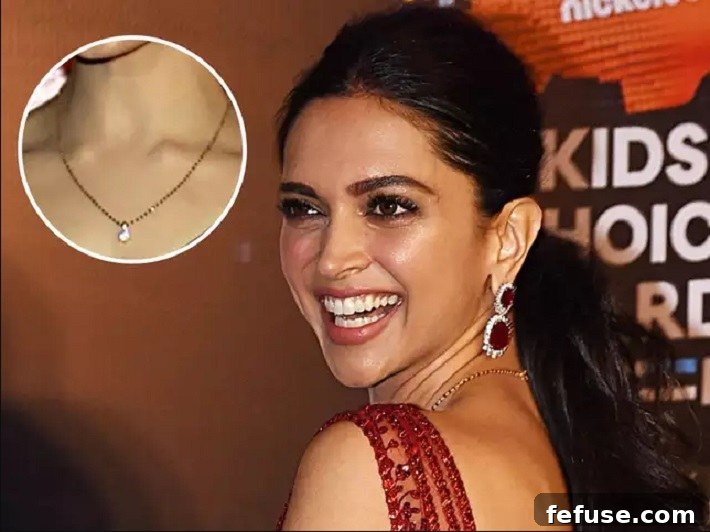
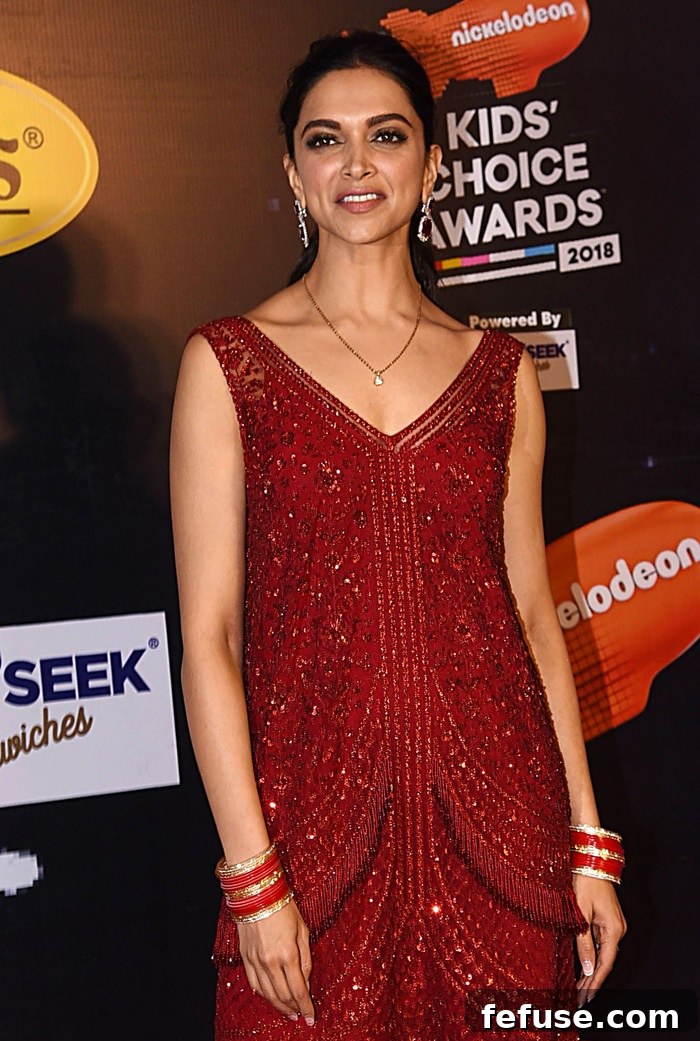
A compelling anecdote that perfectly encapsulates this changing landscape involves none other than Bollywood superstar Deepika Padukone. When her much-anticipated wedding photos finally graced social media, they sparked widespread adoration and discussion. Among the many elements that captured public imagination, her jewelry stood out, particularly for legal professional Sharmistha Dasgupta. Like countless others, Dasgupta found herself captivated by Padukone’s choice of adornment, noting the exquisite pieces from the Sabyasachi Heritage Jewelry Collection. Yet, what truly resonated with her was the actor’s mangalsutra – a traditional symbol of marital sanctity, yet strikingly modern in its design, featuring a solitaire diamond at its heart. This piece, reportedly valued at a significant Rs 20 lakh, inspired a personal epiphany for Dasgupta.
“She had worn jaw-dropping jewellery pieces from Sabyasachi Heritage Jewelry Collection. But what caught my eyes was her simple yet elegant mangalsutra which has a solitaire in the middle. It is very modern in appearance and apparently costs Rs 20 lakh,” recalled the 32-year-old, who had herself married two years prior. This blend of tradition and contemporary design struck a chord. The very next day, fueled by this newfound inspiration and a desire to celebrate a personal “fun moment” without a specific occasion, Dasgupta visited a retail jewelry shop to purchase a diamond pendant for herself. This spontaneous act of self-gifting, as she recounted with a beaming smile, highlights the burgeoning trend of women investing in diamonds for their own pleasure and milestones, shifting away from the sole reliance on receiving them as gifts.
The Empowered Woman: Driving Diamond Demand in India
Sharmistha Dasgupta’s experience is far from isolated; it represents a powerful current sweeping across India. A growing number of women are actively participating in the diamond market as direct consumers, a significant deviation from historical norms. This paradigm shift underscores a broader societal evolution where Indian women are increasingly financially independent, holding influential positions, and making autonomous decisions about their personal finances and luxury purchases. Sachin Jain, President of Forevermark, a prominent diamond brand from the De Beers group, eloquently captures this transformation: “Indian women today are just as likely to buy their own jewels, for fun, as an investment or as a satisfying way to spend a bonus or celebrate a personal event, whether that is a promotion or surviving a serious illness.” This statement underscores the multifaceted motivations behind self-purchase – from personal enjoyment and investment to marking significant life achievements. Jain further emphasizes, “These women are financially independent or have access to family wealth, and take the decision on their own.” This autonomy empowers them to define their own sense of luxury and celebration, moving beyond traditional expectations.
Millennials and Gen Z: The New Custodians of Diamond Affinity
Even more compelling is the revelation that millennials, closely followed by Generation Z (individuals born from the mid-1990s to the early 2000s), are at the forefront of this burgeoning diamond demand in India. This demographic trend signals that India is not merely observing global shifts but is actively participating in and contributing to them. A recent report from De Beers illuminated this global phenomenon, indicating that millennials and Gen Z collectively accounted for a staggering two-thirds of global diamond jewelry sales in 2017, propelling global diamond demand to an unprecedented high of $82 billion. In key international markets, the influence of younger generations is even more pronounced: millennials alone constituted nearly 60% of diamond jewelry demand in the US in 2017 and an impressive almost 80% in China. India’s market behavior is increasingly aligning with these international patterns, driven by a generation that values personal expression, authenticity, and pieces that resonate with their contemporary lifestyles.
Vijay Jain, Chief Executive of ORRA, a renowned Mumbai-based jewelry store chain, corroborates this trend with direct observations from the retail front. “One-third of our customers are now millennials. Typically, they visit our outlets either alone or with a friend and purchase the diamond jewellery of her choice. We have seen that the average ticket size is Rs 50,000-60,000,” he notes. This highlights not only the independent purchasing power of millennials but also their preference for selecting pieces that reflect their individual tastes, often without the traditional accompaniment of family members. Furthermore, Jain points to the evolving nature of Indian weddings. “Also, wedding in India has moved to a larger and bigger platform… The number of functions surrounding a wedding has gone up and close relatives of the family do not like to repeat the same jewellery. That is where diamond jewellery is gaining ground.” The extended wedding festivities and the desire for unique, distinct pieces for each event further fuel the demand for diverse and modern diamond jewelry, distinguishing it from the often heavier, more traditional gold sets.
India’s Growing Stature in the Global Diamond Market
Given these dynamic shifts, India has emerged as a major focal market for the Diamond Producers’ Association (DPA), an international alliance comprising the world’s leading diamond mining companies. This influential group includes industry giants such as ALROSA, De Beers, Dominion Diamond Corp, Gem Diamonds, Lucara Diamond Corp, Petra Diamonds, RZ Murowa Holdings, and Rio Tinto Diamonds. Their collective attention on India underscores the nation’s increasing importance not just as a consumer base, but as a trendsetter in the global diamond landscape.
Richa Singh, Managing Director of DPA, articulates the evolving consumer mindset that defines this new era. “Traditionally, diamonds hold a place on special occasions like weddings, birthdays and anniversaries. But with the consumer’s ever-evolving outlook on life and relationships, special occasions have taken a whole new meaning,” she explains. This contemporary perspective redefines what constitutes a ‘special occasion,’ moving beyond grand, infrequent events to embrace the beauty of everyday moments. “They see relationships as a collection of real and rare moments that they wish to celebrate every day. These small moments often make up their special occasions and diamonds play an integral role in these everyday occasions,” Singh adds. This philosophy perfectly aligns with the desire for versatile, wearable diamond jewelry that can commemorate both grand milestones and the quiet joys of daily life, transforming diamonds from mere symbols of opulence into cherished companions for every experience.
Modern Rendition of Tradition: Diamonds Embrace Contemporary India
Unlike China, where diamond demand gained significant traction only in the late 1990s, diamond jewelry in India boasts a rich and deep-rooted connection with tradition. India holds the position of the third-largest consumer of diamonds globally and is rapidly catching up with the leading markets, as noted by Sachin Jain of Forevermark. The overall gem and jewelry industry in India is valued at an impressive $35 billion, with diamond jewelry constituting a significant 15-16% of this vast market. This indicates not only a substantial current presence but also immense potential for future growth within the diamond sector.
As diamond demand continues its upward trajectory across India, jewelry companies are proactively innovating, introducing designs that strike a perfect balance between modern aesthetics and daily wearability. This strategic approach caters directly to the contemporary Indian woman who seeks elegance and style without compromising practicality. Forevermark, for instance, has launched “Capricci,” an innovative nose pin collection. This collection features seven exclusive jackets, allowing women to customize their nose pins to suit different outfits and occasions throughout the week, seamlessly integrating diamonds into their daily wardrobe. “Nose pin is the second-largest category that is sold in India,” Jain reveals, underscoring the cultural significance and market potential of this specific jewelry type. Similarly, ORRA has introduced versatile mangalsutras that can be elegantly worn around the wrist, transforming a traditional wedding symbol into a contemporary, multi-functional piece of jewelry.
This shift is also influenced by changing family dynamics and consumer preferences. Traditionally, grand heritage jewelry, often costing crores of rupees, was reserved almost exclusively for the wedding day. For example, the kundan set worn by Deepika Padukone at her Mumbai reception was estimated by trade veterans to cost between Rs 40-50 lakh, with smaller kundan pieces still ranging from Rs 20-25 lakh. While these pieces remain iconic, there’s a growing inclination towards more wearable options. Vijay Jain of ORRA highlights this generational shift: “Parents today are not putting pressure on their daughters to buy heavy jewellery which they cannot wear. They have given a free hand to their daughters to purchase what they can wear… this has compelled jewellers to come up with modern designs.” This newfound freedom empowers brides-to-be to choose jewelry that aligns with their personal style and can be worn beyond the wedding album. “Even there are cases where the would-be bride comes to the store to buy jewellery on her own. This was not the case five years back,” Jain adds, illustrating the rapid pace of change in bridal jewelry shopping habits, where personal choice and independence are paramount.
Diamond Affinity: Beyond the Bling – Economic Drivers
India’s burgeoning “diamond affinity” is not solely driven by evolving tastes and lifestyle preferences; it is also significantly influenced by underlying economic factors, including price movements in precious metals and currency valuations. These macroeconomic forces play a crucial role in shaping consumer choices and market dynamics, making diamond jewelry an increasingly attractive option for Indian consumers.
Globally, gold prices had bottomed out earlier in the year at approximately $1,184 per troy ounce, subsequently recovering to hover around $1,244 per ounce. However, Indian consumers found themselves unable to fully capitalize on these lower international gold prices due to the concurrent devaluation of the Indian rupee. A weaker rupee meant that despite international dips, local gold prices remained relatively high. The Indian currency had, at one point, touched a low of 75 rupees to the US dollar just a few weeks prior, effectively neutralizing the benefits of any international price reductions for the domestic market. Local gold prices, which were around Rs 29,070 per 10 grams in January, surged to as much as Rs 32,650. While this made gold an attractive investment vehicle during that period, its appeal in the jewelry market, particularly for immediate consumption, diminished. It wasn’t that Indians completely ceased buying gold, but the overall sales volumes saw a noticeable reduction. This was particularly evident during the traditionally robust Diwali-Dhanteras festival period, which, contrary to expectations, did not witness the usual significant surge in gold demand.
In stark contrast, polished diamond prices exhibited remarkable stability, or in some instances, even became more affordable during the same period. This economic advantage, combined with evolving preferences, provided a significant boost to diamond jewelry sales. Jewellers themselves noted a strong momentum for diamond jewelry during the Dhanteras festival. A crucial factor contributing to the affordability of diamond-studded pieces is the gold content: typically, only 18-karat gold is used in such designs, as opposed to the more common 22-karat gold in traditional plain gold jewelry. This means that the volume of gold required for diamond-studded pieces is significantly less, making them more budget-friendly. This pricing structure not only makes aspirational diamond jewelry more accessible but also allows the modern Indian woman to fulfill her desire for elegance and contemporary style without overstretching her budget, perfectly aligning economic realities with personal aspirations.
Should Gold Trade Worry? A Balanced Perspective
The surging popularity of diamonds and the evolving consumer preferences naturally raise questions about the future of gold, a metal deeply embedded in India’s cultural and economic fabric. However, industry veterans offer a reassuring, nuanced perspective. Joy Alukkas, Chairman of the prominent Joyalukkas retail chain, emphatically states, “No, not at all.” He believes that while trends are shifting, gold’s intrinsic value and cultural significance remain unwavering. Alukkas highlights a key trend that allows gold to adapt to modern tastes: “Lightweight jewellery has become the trend of the day. In South India, which is known to be the largest consumer of gold across the country, brides are not willing to wear heavyweight jewellery.” This illustrates a move away from the massive, multi-tola gold sets that were once a staple of South Indian weddings. Historically, a South Indian bride might have worn a chain weighing 80 grams; today, that weight has typically reduced to a maximum of 20 grams, reflecting a preference for elegance and ease over sheer volume.
Alukkas further elaborates on this transition: “Even heavy bangles that were being worn are being replaced by 8gm, 6gm and 4gm bangles.” This shift signifies a consumer desire for versatility and comfort, where multiple lighter pieces can be layered or worn individually, offering more styling options than a single heavy item. Moreover, the “diamond frenzy” is not confined to urban centers or North India; it has steadily made its way into South India, a region long synonymous with gold. Women across the country are increasingly seeking to include at least one diamond piece in their jewelry collection. “That may even be a nose pin,” notes Alukkas, emphasizing that even small, accessible diamond items are highly desired, indicating a widespread embrace of diamonds as part of a modern jewelry ensemble.
Trade sources concur that as the Indian woman continues her journey towards modernity and self-reliance, jewelry design itself is destined to undergo substantial transformation. Nitin Khandelwal, Chairman of the All India Gem & Jewellery Domestic Council, encapsulates this evolving landscape with a balanced outlook: “Gold is deep-rooted in our heritage and culture and it will remain forever. Jewellers will have to keep pace with the changing times and come up with new designs with diamonds and other gemstones. But the intrinsic demand for gold will continue.” This perspective suggests that the market is not a zero-sum game between gold and diamonds. Instead, it indicates a future where both coexist, with jewelers needing to innovate and offer diverse designs that incorporate diamonds and other gemstones to cater to contemporary preferences, while still respecting and catering to the enduring cultural significance of gold. The Indian jewelry market is thus entering an exciting phase of innovation, where tradition harmonizes with modernity, offering consumers an unprecedented array of choices.
NewsSource: economictimes.indiatimes.com