
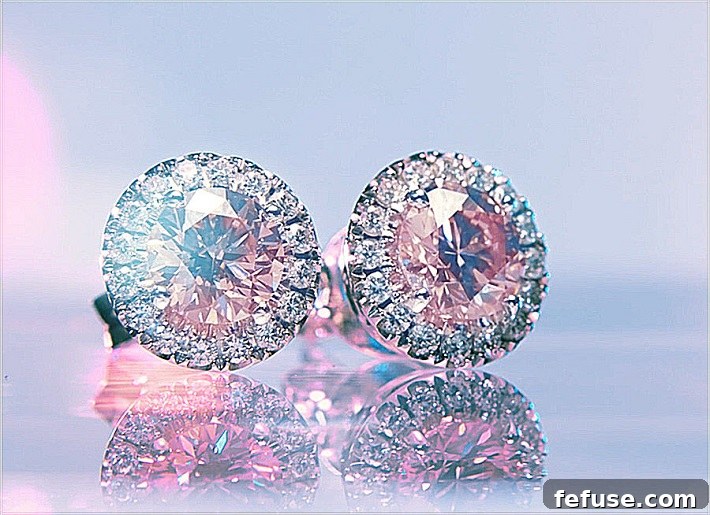
De Beers’ Strategic Shift Reshapes Lab-Grown Diamond Market: A Deep Dive into Pricing and Industry Dynamics
The global diamond industry is currently undergoing a significant transformation, largely spearheaded by a strategic pivot from its long-standing titan, De Beers. Since September, when the renowned mining group Anglo American’s diamond arm, De Beers, entered the lab-grown diamond jewellery market, wholesale prices for these synthetic stones have plummeted by as much as 60 percent. This dramatic shift, confirmed by CEO Bruce Cleaver, signals a new era where margins for the lab-grown sector are expected to continue their downward trajectory, fundamentally altering the landscape for both producers and consumers.
De Beers’ Landmark Reversal: Shaking the Diamond World
For decades, De Beers maintained an unwavering stance: natural diamonds for jewellery, and synthetic stones exclusively for industrial applications. This deeply entrenched policy was a cornerstone of its brand identity and market strategy, carefully cultivating the mystique and value associated with earth-mined gems. Therefore, the company’s announcement last year that it would reverse this decades-old policy sent shockwaves throughout the diamond industry. It was a move that challenged established norms and forced competitors, big and small, to re-evaluate their own positions in an increasingly complex market.
The decision was not merely a tactical adjustment but a profound strategic realignment aimed at proactively shaping the future of the diamond market rather than reacting to its evolving dynamics. By embracing lab-grown diamonds, De Beers acknowledged the growing consumer interest in these alternatives while simultaneously seeking to differentiate them clearly from their natural counterparts. This proactive engagement, rather than resistance, marks a new chapter in the company’s storied history.
Introducing Lightbox: A New Venture into Lab-Grown Diamonds
In response to this strategic reversal, De Beers launched Lightbox, a dedicated brand designed to market and sell lab-grown diamonds for jewellery. This venture started with a relatively modest footprint, projecting sales of 20,000 carats by the end of 2019. However, the true ambition behind Lightbox is far greater. De Beers has made a substantial investment in a state-of-the-art synthetic diamond factory located in the U.S. state of Oregon. When fully operational in 2020, this facility is poised to produce an impressive volume of over half a million rough carats annually. This significant production capacity underscores De Beers’ commitment to becoming a major player in the lab-grown segment and its intent to influence market pricing through sheer scale.
The rationale behind Lightbox extends beyond mere market entry; it’s a deliberate strategy to create distinct market segments. By offering lab-grown diamonds through a separate brand with transparent pricing, De Beers aims to prevent any blurring of lines between natural and synthetic stones in the minds of consumers. This clear differentiation is crucial for maintaining the premium perception and value of natural diamonds, which remain at the core of De Beers’ heritage and business model.
The Unprecedented Price Drop and Future Market Outlook
The impact of De Beers’ entry on synthetic diamond pricing has been immediate and profound. As Bruce Cleaver highlighted, De Beers’ internal analysis revealed an astonishing up to 60 percent fall in wholesale prices for lab-grown diamonds since their market entry. This dramatic reduction underscores the power of increased supply and the technological advancements that are making lab-grown diamond production more efficient and cost-effective.
Cleaver confidently stated that this price slide is far from over. He anticipates a continued decline as improvements in technology not only enhance the quality of lab-grown diamonds but also significantly increase their production volume. He drew a compelling parallel, noting, “The margins that were out there are not sustainable. I like to compare it to a flat screen TV. The first ones were very expensive and the quality was poor.” This analogy perfectly encapsulates the expected trajectory: as technology matures and production scales, initial high profit margins will inevitably shrink, leading to more accessible pricing for consumers. This pattern is common across various technological products, from electronics to solar panels, and it now appears to be firmly establishing itself within the lab-grown diamond market.
This market evolution is likely to benefit consumers by making diamond jewellery more affordable and accessible, potentially expanding the overall market for diamond-like products. However, it also presents significant challenges for smaller lab-grown diamond producers who may struggle to compete with the economies of scale and pricing power of a giant like De Beers. The era of super-high margins in lab-grown diamonds seems to be rapidly drawing to a close, ushering in a more competitive and price-sensitive environment.
Distinguishing Natural from Lab-Grown: A Different Product, A Different Business
Despite De Beers’ deep involvement in the synthetic market, Cleaver firmly denied that lab-grown diamonds are eating into the price or market share of natural stones. He consistently articulated the view that these are fundamentally “different products” targeting different consumer desires and occasions. “It’s a perfectly legitimate business. It’s just a different business,” he stated, emphasizing the distinct value propositions of each.
The core of De Beers’ strategy with Lightbox is precisely to differentiate diamonds grown in a laboratory from those unearthed from the earth. Natural diamonds, forged over billions of years deep within the earth’s crust, carry an inherent rarity, a unique geological history, and a legacy that many consumers associate with enduring value, emotional significance, and investment potential. Lab-grown diamonds, on the other hand, offer an ethical, environmentally controlled alternative that provides visual appeal and sparkle at a significantly lower price point, making them appealing for fashion-forward pieces or casual wear without the same long-term investment expectations.
This differentiation strategy is critical for De Beers, the world’s leading diamond seller by value. By clearly segmenting the market, they aim to preserve the allure and premium pricing of natural diamonds, ensuring that consumers understand the unique qualities that set them apart. This approach helps to prevent consumer confusion and reinforces the distinct narratives surrounding each type of diamond.
Investing in the Enduring Allure of Natural Diamonds: Enhanced Marketing Efforts
While Anglo American’s broader portfolio consists mainly of commodities, the demand for diamonds is inherently reliant on robust marketing. The diamond business is listed in Anglo American’s results statement as among the company’s “principal risks and uncertainties,” highlighting the importance of consumer perception and desire. Recognizing this, De Beers has committed to significantly boosting its marketing budget for natural stones this year.
Although specific numbers for the current year were not disclosed, Cleaver confirmed this increased investment comes on the heels of a strong marketing push in 2018, which saw the budget for natural diamonds reach a decade-high of $166 million. This substantial investment underscores De Beers’ unwavering belief in the unique and enduring emotional appeal of natural diamonds. Marketing campaigns are vital not just for brand recognition but for educating consumers about the rarity, heritage, and symbolic value of earth-mined diamonds, reinforcing their status as timeless symbols of love and commitment.
These marketing efforts are crucial in a world where consumers have more choices than ever before. By investing heavily in campaigns that celebrate the journey, scarcity, and emotional resonance of natural diamonds, De Beers seeks to continuously refresh and strengthen the bond between consumers and these precious gems, ensuring their continued relevance and demand in a competitive luxury market.
Financial Performance and Market Resilience: Navigating Volatility
From a broader financial perspective, Anglo American reported a 4 percent rise in its overall core earnings for 2018. However, De Beers’ underlying EBITDA (earnings before interest, tax, depreciation, and amortisation) experienced a 13 percent decline during the same period. Cleaver attributed this specific fall to several factors, including significant expenditure on new ventures like Lightbox, as well as prevailing volatile market conditions.
Despite these challenges, Cleaver maintained an optimistic outlook regarding the health of the primary diamond markets. He specifically pointed to the robust demand observed in the United States and China, which collectively represent the largest markets for diamonds globally. The resilience of these key consumer bases provides a stable foundation amidst the industry’s evolving dynamics and strategic shifts. Investment in new areas, while impacting short-term profitability, is often a necessary step for long-term growth and adaptation in a rapidly changing global economy.
Conclusion: A New Era for the Diamond Industry
De Beers’ bold move into the lab-grown diamond market has irrevocably altered the industry’s landscape. By strategically embracing synthetic stones through its Lightbox brand, De Beers has not only driven down wholesale prices for these alternatives but has also reinforced its commitment to differentiating natural diamonds through enhanced marketing and branding. The future will likely see a bifurcated market where both lab-grown and natural diamonds coexist, each catering to distinct consumer preferences and budgets.
As technology continues to advance and production scales, lab-grown diamonds will become increasingly accessible, potentially expanding the overall market for diamond jewellery. Concurrently, De Beers’ renewed focus on the unique heritage and enduring value of natural diamonds, backed by significant marketing investment, aims to secure their position as timeless treasures. The industry is navigating a period of exciting change, promising more options for consumers and a competitive environment for producers, all under the watchful eye of the diamond world’s most influential player.