
De Beers Fortifies Global Leadership with Strategic Acquisition of Peregrine Diamonds and Chidliak Project
In a pivotal move that significantly reshaped its resource portfolio and solidified its presence in the Canadian diamond landscape, De Beers Group successfully completed the acquisition of Peregrine Diamonds. This strategic transaction, valued at C$107 million (approximately US$82.36 million) at a purchase price of C$0.24 per share, was primarily driven by the high-quality Chidliak diamond resource located in Canada’s resource-rich Nunavut Territory. The acquisition also encompassed other valuable properties situated across Nunavut and the Northwest Territories, further extending De Beers’ exploratory and operational footprint in a region renowned for its ethical and responsibly sourced diamonds.
The completion of this deal marked a new chapter for De Beers, reinforcing its commitment to securing a robust pipeline of future diamond supply and leveraging its unparalleled expertise in navigating the complex challenges of Arctic mining. The transaction received overwhelming support from Peregrine’s securityholders on August 31, 2018, underscoring the perceived value and strategic alignment of the acquisition. Further legal endorsement followed swiftly with the final order issued by the Supreme Court of British Columbia on September 10, cementing the legal framework for the transfer of assets and operations.
A Strategic Imperative: Strengthening De Beers’ Global Diamond Portfolio
De Beers Group, a name synonymous with diamonds for over a century, continuously seeks opportunities to enhance its world-leading diamond resource portfolio. The acquisition of Peregrine Diamonds and, crucially, the Chidliak project, aligns perfectly with this long-term strategy. The global diamond market demands a steady and reliable supply of high-quality rough diamonds, and resource acquisitions are vital to maintaining this flow. Chidliak represents a significant potential future source, promising to contribute to De Beers’ inventory for decades to come, ensuring the company’s ability to meet market demand and sustain its leadership position.
Canada has emerged as a significant player in the global diamond industry, known for its ethical mining practices and the high quality of its stones. De Beers has a long and storied history in Canada, having successfully developed and operated mines in some of the world’s most challenging environments. This acquisition is not merely about adding reserves; it’s about reinforcing De Beers’ commitment to a region that offers stability, transparency, and a high standard for environmental and social responsibility. The move demonstrates a forward-thinking approach to resource management, ensuring that De Beers can continue to supply the market with diamonds that are not only beautiful but also responsibly sourced.
Unpacking the Value: The Chidliak Diamond Resource
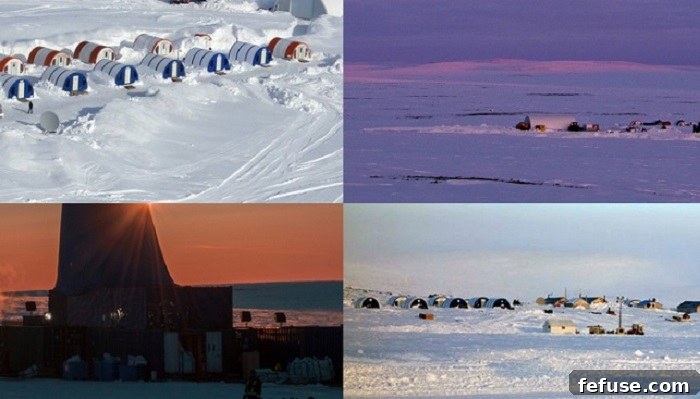
At the heart of the Peregrine Diamonds acquisition lies the highly prospective Chidliak diamond project. Located on Baffin Island in Nunavut, Chidliak has garnered significant attention within the industry for its promising geological characteristics and the potential for a substantial, high-quality diamond resource. Early exploration and evaluation have indicated that Chidliak hosts a collection of kimberlite pipes with a strong likelihood of containing gem-quality diamonds. This quality aspect is paramount for De Beers, as the company’s brand is built on the assurance of exceptional diamonds.
The project’s location in the Canadian Arctic presents both unique challenges and opportunities. While the harsh climate and remote logistics demand significant investment and specialized operational expertise, the region also offers a stable political environment and a clear regulatory framework. De Beers’ existing track record in developing and operating mines like Snap Lake, Victor, and the currently operational Gahcho Kué mine in similar Arctic conditions makes it uniquely qualified to unlock Chidliak’s full potential. The company understands the intricate balance required between sophisticated mining operations, stringent environmental stewardship, and meaningful engagement with local Indigenous communities.
Quotes from Leadership: Vision and Expertise
Following the completion of the acquisition, De Beers Group leadership emphasized the strategic importance of this move. Bruce Cleaver, CEO of De Beers Group, articulated the company’s satisfaction, stating, “We are very pleased to complete the addition of the Chidliak resource to De Beers Group’s world-leading diamond resource portfolio, and to extend our presence in Canada.” This statement underscores the dual benefit of the acquisition: enhancing the company’s resource base and deepening its footprint in a key geographical region. For De Beers, maintaining a diverse and robust portfolio of diamond assets across various geographies is critical for long-term resilience and market responsiveness.
Kim Truter, CEO of De Beers Canada, further elaborated on the operational readiness and historical success that positioned De Beers as the ideal operator for Chidliak. Truter highlighted the company’s extensive experience, noting, “Having built and operated three diamond mines in Arctic-like conditions in the past 15 years, our expertise in bringing projects of this nature to fruition is unparalleled.” This assertion is not mere rhetoric; it reflects a tangible history of successful project execution in challenging environments. The experience gained from developing and managing mines such as Snap Lake (now closed), Victor (now closed, undergoing rehabilitation), and Gahcho Kué (currently operational) provides De Beers Canada with invaluable insights into logistics, community relations, environmental management, and innovative engineering solutions required for Arctic mining.
The Strategic Rationale: Beyond Resource Expansion
While resource expansion is a primary driver, the acquisition of Peregrine Diamonds serves several other critical strategic objectives for De Beers. Firstly, it enhances the company’s long-term supply security. Diamond mines have finite lifespans, and continuous exploration and acquisition of new projects are essential to ensure a sustainable supply of rough diamonds for the downstream industry. Chidliak offers a promising avenue for future production, helping to offset the eventual depletion of existing mines.
Secondly, it reinforces De Beers’ commitment to operating in politically stable and ethically sound jurisdictions. Canada’s stringent environmental regulations and strong emphasis on Indigenous engagement align with De Beers’ own corporate values and sustainability commitments. This ensures that diamonds from Chidliak will meet the highest standards of responsible sourcing, a factor increasingly important to consumers globally.
Finally, the acquisition allows De Beers to further consolidate its position as a global leader in diamond production and technology. By integrating Chidliak into its existing operational framework, De Beers can apply its advanced geological understanding, mining techniques, and processing technologies to maximize the value of the resource. This holistic approach ensures efficiency, minimizes environmental impact, and generates maximum benefit for all stakeholders, including local communities and shareholders.
Impact on the Canadian Diamond Industry and Nunavut
The acquisition of Peregrine Diamonds by De Beers is a significant event for Canada’s diamond industry. It signals continued confidence in the country’s potential as a premier diamond producer and reinforces its reputation for hosting world-class diamond deposits. For Nunavut, specifically, the development of a project like Chidliak holds immense potential for economic growth and community development. Mining projects in remote regions often become the backbone of local economies, creating substantial employment opportunities directly within the mine and indirectly through supporting industries and services.
Beyond job creation, such projects can lead to significant investments in local infrastructure, education, and health programs. De Beers has a demonstrated history of working closely with Indigenous communities in Canada to ensure that mining operations bring tangible, long-lasting benefits. This includes training programs, preferential hiring for local residents, and business development opportunities for Indigenous-owned enterprises. The future development of Chidliak under De Beers’ stewardship is expected to adhere to these high standards, fostering a partnership approach that prioritizes mutual benefit and sustainable development for the people of Nunavut.
Furthermore, the influx of investment and the potential for a new producing mine solidify Canada’s global standing as a source of responsibly mined diamonds. This reputation is a competitive advantage in a market where consumers are increasingly conscious of the provenance and ethical background of their purchases. De Beers’ move to expand its Canadian portfolio thus contributes not only to its own strategic objectives but also to the broader positive image and economic vitality of the Canadian diamond sector.
Future Outlook: Developing Chidliak’s Potential
With the acquisition complete, the focus for De Beers now shifts towards the comprehensive evaluation and potential development of the Chidliak project. This will involve detailed feasibility studies, advanced exploration work to further define the resource, and extensive environmental and social impact assessments. These rigorous processes are crucial steps before any decision on mine construction and operation can be made, ensuring that the project is not only economically viable but also environmentally sound and socially responsible.
De Beers’ long-term vision for Chidliak likely involves leveraging its technological advancements in diamond processing and recovery to maximize the yield and value from the kimberlite pipes. The company will also continue its proactive engagement with government agencies, Indigenous communities, and local stakeholders to ensure transparent communication and collaborative decision-making throughout the project lifecycle. While the journey from acquisition to full-scale production is often lengthy and complex, De Beers’ proven track record in the Canadian Arctic instills confidence in its ability to navigate these challenges successfully and ultimately bring Chidliak into production, adding another significant asset to its illustrious global diamond empire.
Conclusion: A Bold Step for De Beers’ Enduring Legacy
The acquisition of Peregrine Diamonds and its flagship Chidliak project represents a bold and strategic move by De Beers Group. It is a clear affirmation of the company’s unwavering commitment to its long-term growth strategy, centered on securing high-quality diamond resources in stable jurisdictions. By expanding its Canadian presence and integrating Chidliak into its portfolio, De Beers not only strengthens its global leadership in the diamond industry but also reinforces its capacity to meet future demand with responsibly sourced gems. This transaction is poised to deliver enduring value, not only for De Beers and its shareholders but also for the Canadian diamond industry and the communities of Nunavut, marking a significant milestone in the ongoing story of diamond exploration and production.
News Source: israelidiamond.co.il