
In an era where conscious consumerism is gaining unprecedented momentum, the spotlight increasingly falls on industries once thought impervious to ethical scrutiny. The jewelry sector, steeped in tradition and perceived luxury, is no exception. Sustainable and ethical jewelry represents a pivotal shift, moving beyond mere aesthetics to embrace a holistic approach that prioritizes environmental stewardship, social equity, and economic fairness throughout its entire lifecycle. From the meticulous sourcing of raw materials to the integrity of manufacturing processes and the final journey to the consumer, every step is scrutinized to minimize harm and maximize positive impact. This commitment is rooted in transparent and honest production methods, striving for a manufacturing footprint that is as gentle on our planet and its people as possible.
The Rise of Sustainable and Ethical Jewelry: Crafting a Better Future
This comprehensive article delves into the intricate definition of sustainable and ethical jewelry manufacturing, dissecting the environmental and social challenges inherent in conventional practices. We will explore the critical aspects that define responsible production, expose the pitfalls of overconsumption, unpack the complexities of global supply chains, and highlight the severe environmental ramifications of traditional mining. Ultimately, this exploration aims to empower consumers and industry stakeholders with the knowledge to foster a more responsible and radiant future for jewelry.
Understanding the Core Principles of Ethical Jewelry Production
Truly sustainable and ethical jewelry goes far beyond a simple label; it embodies a profound commitment to responsibility across multiple dimensions. These foundational principles guide producers in creating pieces that are not only beautiful but also kind to the earth and respectful of human dignity. Adhering to these standards ensures that every glimmering gem and gleaming metal tells a story of integrity and care.
- Eco-Friendly Practices: At its heart, sustainable jewelry production champions environmental protection. This means minimizing waste, conserving energy, reducing water usage, and preventing pollution at every stage, from extraction to finishing. It involves utilizing recycled materials, employing renewable energy sources, and often opting for materials with a lower carbon footprint, such as lab-grown diamonds or ethically sourced gemstones that do not harm delicate ecosystems. The goal is to ensure that the beauty of a piece of jewelry does not come at the expense of our planet’s health.
- Conflict-Free Sourcing: A crucial tenet of ethical jewelry is ensuring that all materials, especially precious metals and gemstones, are not sourced from conflict zones or areas where their trade fuels armed conflict, human rights abuses, or forced labor. This principle directly addresses the historical issues of “blood diamonds” and other conflict minerals, advocating for rigorous due diligence and certification processes like the Kimberley Process (though its limitations are also acknowledged and often surpassed by more comprehensive ethical sourcing standards). Brands committed to ethical practices trace their materials meticulously, ensuring peace of mind for consumers.
- Fair Wages and Empowered Communities: Ethical production mandates that all individuals involved in the jewelry supply chain, particularly local producers and artisanal miners, receive fair compensation for their labor. This means wages that meet or exceed local living standards, allowing workers to support themselves and their families with dignity. Beyond fair wages, this principle extends to supporting local communities through educational initiatives, healthcare access, and economic development projects, fostering long-term empowerment and sustainability for the people who bring these beautiful pieces to life.
- Safe and Humane Working Conditions: The well-being of workers is paramount. Ethical manufacturing strictly enforces safe working practices and conditions, protecting individuals from dangerous chemicals, unsafe machinery, and exploitative labor practices. This includes providing adequate protective gear, ensuring reasonable working hours, prohibiting child labor, and upholding freedom of association. Regular audits and certifications play a vital role in verifying compliance with international labor standards, ensuring that every piece of jewelry is crafted in an environment free from harm and exploitation.
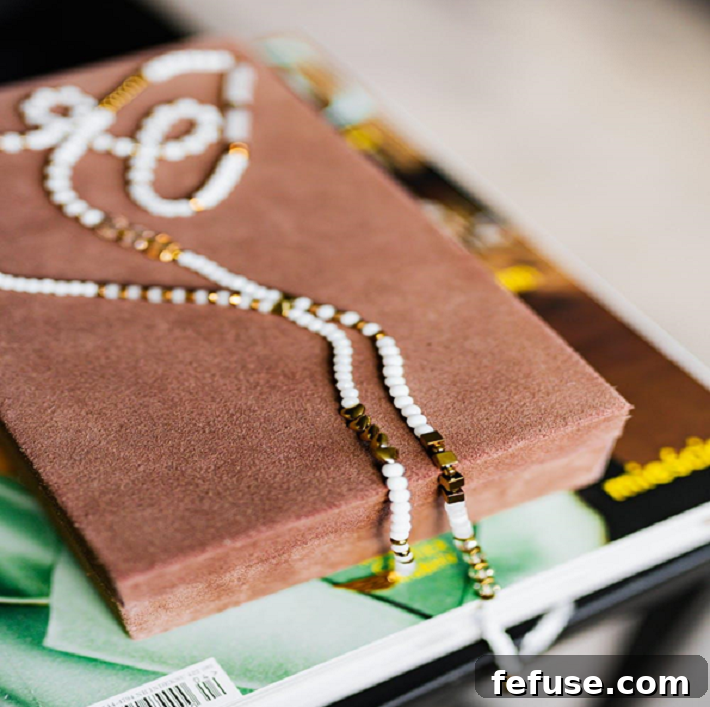
Producing truly sustainable jewelry, such as this ocean ring, is an inherently complex and often time-consuming endeavor. The multifaceted nature of ethical and environmental considerations means that achieving genuine sustainability requires meticulous attention to detail at every step. Critically, one of the biggest challenges lies in accurately monitoring and verifying the carbon footprint of so-called sustainable pieces to ensure it genuinely does not exceed that of conventional alternatives. This level of scrutiny necessitates advanced tracking and transparent reporting mechanisms.
Navigating the Complexities of a Transparent Jewelry Supply Chain
The journey of a piece of jewelry, from its raw components to a finished adornment, is often a convoluted and geographically dispersed process. This intricate web of interconnected stages makes the task of monitoring the carbon footprint and ensuring ethical standards incredibly challenging. There are typically two crucial aspects to consider when striving for a genuinely sustainable and ethical product: the overall efficiency and integrity of the supply chain, and the direct environmental and social implications of mining practices.
The Intricate Journey from Mine to Market
The typical jewelry supply chain is notoriously complex. For instance, a diamond might be mined in Botswana, then cut and polished in India, and finally set into a ring in New York. Similarly, precious metals might be extracted in South America, refined in Switzerland, and then crafted into jewelry in Italy. This cross-border process, spanning initial exploration and extraction of natural resources to the final retail sale, involves numerous intermediaries, each adding layers of complexity and opacity. This fragmentation makes it extraordinarily difficult to trace the origins of materials and verify the conditions under which they were obtained and processed.
Combating Corruption and Ensuring Traceability
With so many touchpoints across different jurisdictions and often in regions with varying levels of governance, the jewelry supply chain is particularly vulnerable to corruption and a lack of appropriate regulatory control. This environment fosters a significant obstacle to transparency, as basic information about sourcing, labor practices, and environmental compliance can be easily obscured or intentionally hidden. The absence of robust oversight means that everything from destructive mining processes to inadequate health and safety provisions for workers can go unchecked. Initiatives like blockchain technology are emerging as potential solutions, offering immutable records of a material’s journey, from its origin to the final product, thereby enhancing traceability and accountability and helping brands assure consumers of the ethical journey their jewelry has undertaken.
The Environmental Footprint of Jewelry: Mining and Beyond
The quest for the precious materials that form the heart of jewelry carries a significant and often devastating environmental cost. The earth’s finite resources are exploited through practices that can leave indelible scars on natural landscapes and delicate ecosystems. Understanding these impacts is crucial for appreciating the urgency of sustainable alternatives.
The Devastating Impact of Conventional Mining
Consider the pursuit of diamonds: for every minuscule diamond extracted, hundreds of tons of earth and rock must be excavated and processed. This immense scale of activity necessitates colossal mining machinery, which contributes significantly to carbon emissions, and the mines themselves represent vast scars on the natural habitat, often leading to irreversible land degradation. The ecological impact extends beyond diamonds to the mining of precious metals like gold, silver, and platinum. This process, often involving chemical-intensive extraction methods, generates all kinds of pollutants as by-products from metal processing plants. There is a high risk of severe groundwater contamination, leading to poisoned drinking water sources for local communities. Tragically, villages in proximity to these operations can be exposed to highly toxic substances such as cyanide and mercury, leading to severe health consequences and long-term environmental damage.
Beyond direct pollution, mining for natural resources required in jewelry production is a primary driver of habitat loss. This often triggers a cascade of environmental problems: widespread deforestation, undertaken to clear land for mining operations or provide timber for infrastructure, leads directly to a significant loss of biodiversity. With vital forest ecosystems destroyed, countless species lose their homes, pushing many towards endangerment. Furthermore, the removal of vegetation leaves the soil exposed and unstable, making areas highly susceptible to erosion and devastating landslides, particularly in mountainous or flood-prone regions.
Sustainable Alternatives and Innovations
Fortunately, the industry is witnessing a growing movement towards mitigating these impacts through sustainable alternatives. Recycled precious metals, such as gold and silver, dramatically reduce the need for new mining, significantly lowering the associated environmental footprint. Lab-grown diamonds, chemically and physically identical to mined diamonds, offer a conflict-free and environmentally conscious option, produced with a much smaller environmental impact. Responsible mining initiatives are also emerging, focusing on minimizing ecological damage, ensuring land reclamation, and supporting artisanal and small-scale miners with ethical practices and fair remuneration. These innovations offer a glimmer of hope for a future where stunning jewelry can coexist with a thriving planet.
Breaking the Cycle of Overconsumption in the Jewelry Industry
The first and arguably most fundamental step in evaluating the sustainability and ethics of jewelry lies in critically examining our consumption habits. The global jewelry market, forecast to reach an astonishing over $480 billion by 2025, is regrettably dominated by a trend towards disposable, “fast fashion” equivalents within the jewelry sector. Much of this growth is attributed to what is colloquially known as ‘one-year jewelry’ – inexpensive, mass-produced pieces designed for fleeting trends rather than lasting value.
The Perils of “Fast Jewelry” and Disposable Trends
This proliferation of cheap, low-quality jewelry mimics the problematic model of fast fashion. Instead of investing in timeless, well-crafted pieces, consumers are often encouraged to purchase numerous items that quickly fall out of style or succumb to wear and tear. These ephemeral pieces typically end up filling jewelry boxes, rarely (if ever) worn, or worse, discarded after only a few uses. Beyond the environmental damage inflicted during their production – often using cheaper, less regulated materials and processes – these single-use items continue to cause harm at the end of their short life cycle. The non-biodegradable nature of the inexpensive materials, particularly the green layers and synthetic ‘gemstone’ style components, means they leak toxic substances into water tables and ultimately occupy landfill sites permanently. This compounding issue ensures that even after disposal, these items remain an environmental burden for centuries.
Cultivating Mindful Consumption and Longevity
The relentless cycle of overconsumption is aggressively fueled by the pervasive advertising of new designs from major jewelry brands and the rapid fulfillment enabled by the e-commerce boom. It is imperative that this unsustainable cycle is broken and that more mindful alternatives to jewelry consumption are urgently embraced. The current chain of supply and demand, driven by fleeting trends, is what perpetually fuels unsustainable growth. Consumers play a critical role in reversing this trend by prioritizing quality over quantity, investing in durable and timeless pieces, supporting brands with transparent ethical practices, and exploring options like vintage jewelry, repurposing existing pieces, or even jewelry rental services. By shifting demand towards sustainable and ethically produced items, we can collectively exert pressure on the industry to adopt more responsible practices and foster a circular economy for jewelry.
Towards a Radiant Future: Embracing Responsible Jewelry Choices
Embracing sustainable and ethical jewelry is not an act of being “anti-jewelry”; rather, it is a conscious decision to harmonize personal style with global responsibility. It underscores the belief that it is entirely possible to look fashionable and express individuality while simultaneously protecting our planet and upholding human rights. Ethical production encompasses more than just environmental concerns; it is fundamentally about ensuring that all local people involved in the myriad stages of the assembly process, from mining to crafting, receive their fair share of the value created, are treated with respect, and work in safe conditions.
As with many other industries grappling with unsustainable practices, jewelry production is intrinsically linked to consumer demand. As global trends in disposable, single-use jewelry sales continue their alarming ascent, the problem of overconsumption remains rife and threatens to undermine any gains made in ethical sourcing. Until this pervasive trend is decisively reversed through collective consumer action and industry commitment, it is highly unlikely that the global jewelry trade will achieve true, widespread sustainability.
Improvements in ethical standards, however, represent a distinctly different challenge and opportunity. These can be rigorously addressed and significantly enhanced through the implementation of more stringent controls, robust regulatory frameworks, and transparent governance across every element of the supply chain. While thousands of smaller artisans exist, a small number of colossal producers and distributors continue to dominate a disproportionately large share of the worldwide jewelry trade. The onus, therefore, falls heavily on these powerful organizations to proactively identify, diligently monitor, and effectively prevent unethical behavior and unsustainable practices throughout their vast production networks. Through collaborative efforts between consumers, industry leaders, and regulatory bodies, we can collectively forge a path towards a future where every piece of jewelry sparkles not just with beauty, but also with integrity, compassion, and a genuine commitment to a better world.