
UK Jewellery Retailers Prepare for Reopening: A New Era of Safe Shopping Dawns
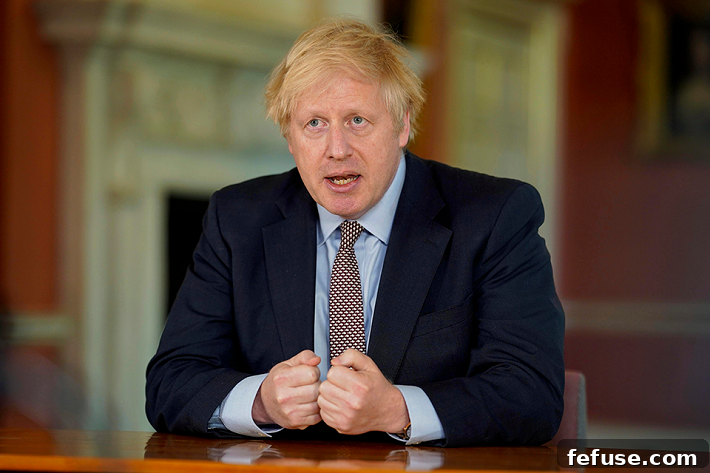
Following weeks of unprecedented lockdown measures, a significant beacon of hope emerged for non-essential retailers across the United Kingdom, particularly for the esteemed jewellery sector. Prime Minister Boris Johnson, speaking from a crucial daily press briefing on Bank Holiday Monday, May 25, officially set the wheels in motion for a phased return to high streets and shopping centres, offering much-anticipated clarity and a definitive timeline for businesses eager to welcome customers once more.
The announcement detailed a strategic, two-phase approach to easing restrictions. Early adopters, including outdoor markets and car showrooms, were granted permission to resume operations from June 1. Crucially for the luxury goods market, all other non-essential retailers, a category that prominently includes jewellery stores, were given a precise date to follow suit: June 15. This eagerly awaited news marked a pivotal moment, transforming uncertainty into a concrete action plan for thousands of businesses and their employees.
The Conditional Green Light: Prioritizing Public Health
It is imperative to understand that this reopening schedule, like all facets of the government’s lockdown easing strategy, remains conditional. The Prime Minister underscored that the June 15 reopening date for businesses, including jewellery retailers, is contingent upon the continued positive trajectory in the fight against coronavirus. The government’s scientific advisors and public health experts must be satisfied with the ongoing progress in suppressing the virus’s spread. This caveat serves as a crucial reminder that public health remains paramount, and any backslide could lead to a reassessment of the reopening strategy.
Furthermore, the Prime Minister issued a stern warning: all retail business owners, irrespective of their size or sector, are mandated to adhere rigorously to a comprehensive set of new guidelines. These measures are not merely suggestions but enforceable requirements designed to safeguard both shoppers and workers, ensuring that the return to retail is as safe as possible. Non-compliance could result in spot checks and potential enforcement actions, emphasizing the government’s commitment to public safety.
Navigating the New Retail Landscape: Essential Guidelines for a Safe Return
The blueprint for safe reopening is meticulously outlined within the government’s online resource, specifically under the ‘Shops and Branches’ part of their ‘working safely during Covid-19’ section. This detailed guidance offers practical advice and mandatory protocols that every retail establishment, from boutique jewellers to large department stores, must implement before opening their doors.
Mandatory Risk Assessments and Staff Consultation
One of the foundational requirements for any business preparing to reopen is the completion of a thorough risk assessment. This isn’t a mere formality; it’s a critical exercise that necessitates active consultation with trade unions and, crucially, with workers themselves. This collaborative approach ensures that the unique challenges and concerns of each workplace are addressed, fostering a sense of ownership and shared responsibility for safety. Businesses must identify potential hazards related to COVID-19, evaluate the risks, and implement robust control measures to mitigate them. This assessment should be publicly displayed, offering transparency and reassuring both staff and customers.
Implementing Strict Social Distancing Measures
Social distancing forms the cornerstone of the new retail experience. The government guidelines stipulate that employers will face “spot checks” to ensure these measures are meticulously implemented. For jewellery retailers, this translates into a multifaceted approach:
- Capacity Limits: Stores must determine their maximum safe capacity to ensure the maintenance of the two-metre social distancing rule between individuals. This might involve carefully managed queueing systems outside the store.
- Layout Reconfiguration: Store layouts may need to be altered to facilitate one-way systems, wider aisles, and clear demarcation of customer waiting areas, particularly around display cases or service counters.
- Protective Screens: Installation of clear screens or barriers at till points and customer service desks is highly recommended to protect both staff and customers during interactions.
- Managing Interactions: For high-value items like jewellery, where close inspection or trying on is often part of the purchasing decision, retailers must devise safe protocols. This could involve staff wearing appropriate personal protective equipment (PPE), rigorous cleaning of items after handling, and discouraging unnecessary touching of products.
- Changing Rooms/Fitting Areas: While less common for all jewellery types, if any apparel or accessories are offered, strict cleaning protocols, limitations on usage, and potential closure of fitting rooms might be necessary.
- Clear Signage: Visible signage throughout the store reminding customers and staff of social distancing rules, hand hygiene, and new operational procedures is essential.
Enhanced Hygiene and Cleaning Protocols
Beyond social distancing, an elevated standard of hygiene and cleaning is non-negotiable. Retailers are expected to:
- Provide Hand Sanitiser: Easily accessible hand sanitising stations must be available at store entrances and throughout the premises for both customers and staff.
- Increased Cleaning Frequency: High-touch surfaces, including door handles, banisters, payment terminals, display cases, and any shared equipment, must be cleaned and disinfected much more frequently throughout the day.
- Contactless Payments: Encouraging and facilitating contactless payment methods is crucial to minimize physical contact at point of sale.
- Waste Management: Safe and frequent disposal of waste, especially tissues and cleaning materials, must be ensured.
Workforce Management and Staff Protection
Protecting the workforce is as critical as safeguarding customers. Guidelines include:
- Staff Training: Comprehensive training for all employees on new safety protocols, hygiene standards, and customer management in a COVID-secure environment.
- Staggered Shifts: Implementing staggered start and end times, and break schedules to reduce congestion in staff areas.
- PPE Considerations: While not universally mandatory for all retail roles, risk assessments may identify specific situations where PPE (e.g., face coverings for staff in close contact roles) is necessary.
- Sick Pay Policies: Clear policies for staff who are unwell or need to self-isolate, ensuring they do not come to work.
Statements from Key Figures: Rebuilding Confidence and Economy
Prime Minister Boris Johnson encapsulated the government’s aim, remarking: “Shops now have the time to implement this guidance before they reopen. I want people to be confident that they can shop safely, provided they follow the social distancing rules for all premises.” His words highlighted the dual objective: to empower businesses with a clear path forward and to reassure the public that their safety is paramount during this transition.
Echoing this sentiment, Business Secretary Alok Sharma emphasized the economic imperative behind the decision. He added: “Enabling these businesses to open will be a critical step on the road to rebuilding our economy, and will support millions of jobs across the UK.” The reopening of non-essential retail is not just about returning to normalcy; it’s a vital component of the broader national economic recovery strategy, aiming to inject dynamism back into consumer spending and preserve livelihoods.
Industry Reactions: A Mixed Bag of Hope and Concern
The announcement elicited a spectrum of reactions from various industry bodies, reflecting the diverse challenges and opportunities facing the retail sector.
A Welcome Clarity for Many
The British Retail Consortium (BRC) expressed significant relief, welcoming the news as it provided “much-needed clarity on the route ahead.” For larger retailers, the defined timeline allowed for meticulous planning, sourcing of PPE, staff training, and logistical adjustments necessary for a safe reopening. Similarly, a spokesman for the Confederation of British Industry (CBI) added that the new guidance would be instrumental in helping retailers to open “safely and securely,” emphasizing the importance of a structured framework to instill confidence.
Disappointment for Independent Retailers
However, the announcement was not met with universal approval, particularly among smaller, independent businesses. The British Association of Independent Retailers (BAIR) voiced considerable disappointment, noting that many small shops had already been diligently preparing to open from the beginning of June. “It is, therefore, a little disappointing for the smaller retailers not to be able to open until June 15, especially as they can make it safe to do so,” BAIR expressed. For these businesses, often operating with tighter margins and fewer resources, every additional week of closure translates into further financial strain and missed opportunities, especially when they felt capable of implementing safety measures sooner.
The Lingering Question of Consumer Appetite
Beyond the operational readiness of stores, a more profound concern emerged regarding consumer behaviour. Many in the industry have raised questions about whether the public will truly have an “appetite” for shopping in the immediate aftermath of lockdown. Will the joy of browsing and purchasing overcome lingering anxieties about public spaces and economic uncertainty? There is a palpable worry that stores, even when open, might remain largely empty for the foreseeable future, struggling to attract the footfall necessary for sustained recovery. Discretionary spending, particularly on luxury items like jewellery, could be significantly impacted by a recessionary climate and changes in consumer priorities.
The Road Ahead for Jewellery Retailers: Adaptation and Innovation
For jewellery retailers, the reopening presents a unique set of challenges and opportunities. The sector, known for its personal service, high-value items, and often intimate customer interactions, must adapt rapidly to a world where physical proximity is a concern. Building trust and ensuring a perception of safety will be paramount.
- Redefined Customer Experience: The traditional experience of trying on rings or necklaces may require appointment-based systems, dedicated sanitization stations for items, and perhaps even virtual try-on technologies.
- Security in a New Layout: Adapting store layouts for social distancing while maintaining robust security for precious items will be a balancing act.
- Omnichannel Strategy: The lockdown period has accelerated the shift towards online retail. Successful jewellery businesses will need to seamlessly integrate their physical stores with a strong online presence, offering click-and-collect services, virtual consultations, and compelling e-commerce platforms.
- Marketing Safety: Communicating the rigorous safety measures implemented will be a key marketing message, reassuring hesitant customers and differentiating businesses that prioritize well-being.
- Emphasizing Value and Longevity: In an uncertain economic climate, emphasizing the enduring value, craftsmanship, and emotional significance of jewellery may resonate more deeply with consumers looking for meaningful purchases.
Conclusion: A Cautious Step Towards Recovery
The June 15 reopening date for UK jewellery retailers and other non-essential shops marks a cautious but significant step towards economic recovery and a return to some semblance of normalcy. While the path ahead remains fraught with challenges, including adapting to new operational paradigms, managing consumer confidence, and navigating an uncertain economic landscape, the clarity provided by the Prime Minister’s announcement offers a vital starting point. The success of this grand reopening will hinge not only on businesses diligently adhering to safety guidelines but also on the public’s willingness to embrace a new, safer way of shopping. As the industry collectively prepares, the focus remains firmly on protecting health, rebuilding livelihoods, and rekindling the sparkle of retail on the British high street.
NewsSource: professionaljeweller