
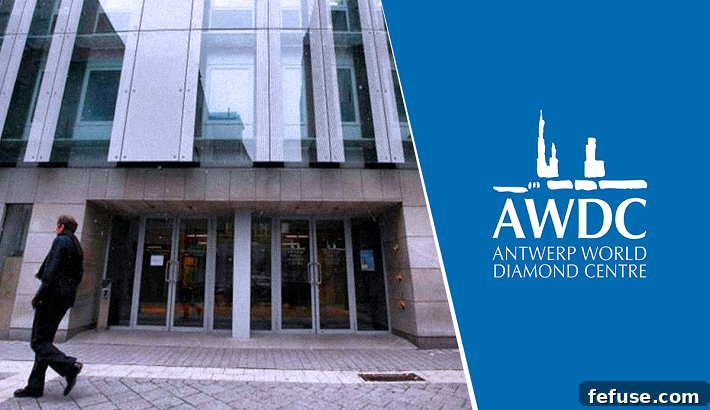
Navigating the Gemstone Landscape: An In-Depth Analysis of the Antwerp Diamond Trade in Early 2019
The global diamond industry, a fascinating blend of ancient allure and modern commerce, experienced a challenging start to 2019, extending a trend observed in the latter half of 2018. As the world’s leading diamond trading hub, Antwerp’s performance serves as a crucial barometer for the entire sector. Recent figures released by the Antwerp World Diamond Centre (AWDC) highlight a nuanced picture for the initial months of the year, with marginal improvements in rough diamond trade during February, yet a persistent lag in the polished diamond segment.
Antwerp, often dubbed the “Diamond Capital of the World,” boasts a rich history spanning over five centuries in the diamond trade. Its sophisticated ecosystem encompasses mining companies, manufacturers, traders, and gemologists, making it an unparalleled center for both rough and polished diamonds. Understanding the dynamics within this hub is essential for grasping broader trends in diamond production, distribution, and consumer demand. The early 2019 data provides valuable insights into the market’s health and the prevailing sentiment among key players.
February 2019: A Snapshot of Diamond Trade Performance
February 2019 presented a mixed bag of results for the Antwerp diamond trade, indicating underlying complexities within the market. While there were signs of life in the rough diamond sector, the polished market continued to contend with headwinds.
Rough Diamond Dynamics: Volume vs. Value
During February, Antwerp’s rough diamond exports showed a modest uptick in volume but a significant decline in value. The centre exported over 9.85 million carats of rough diamonds, valued at US$ 853.55 million. This represented a marginal year-on-year increase of 3.03% in terms of volume, suggesting a slight increase in the quantity of goods moving out of Antwerp. However, this volume increase was overshadowed by a substantial 16.56% decline in value terms. This discrepancy points to a potential softening in rough diamond prices or a shift towards trading smaller, lower-value goods, indicating a cautious buying environment among manufacturers and cutters.
Rough diamond imports echoed a similar pattern, albeit with slightly different magnitudes. Imports inched up by 1.69% in volume terms, reaching 6.95 million carats. Yet, the value associated with these imports dropped significantly by 28.36%, totaling US$ 683.66 million compared to the previous year. This substantial decline in import value, coupled with a slight volume increase, further reinforces the narrative of price compression in the rough diamond market. Such trends can squeeze profit margins for cutting and polishing factories, potentially leading to reduced production or inventory adjustments.
Polished Diamond Market: Slowdown Persists
The polished diamond trade in February 2019 continued to experience a slowdown, reflecting ongoing challenges in consumer demand and retail markets globally. Antwerp exported 461,242 carats of polished diamonds, valued at US$ 1.24 billion. These figures represent a notable drop of 8.40% in volume terms and a 2.86% decrease in value terms year-on-year. The decline in polished exports signals a more cautious approach from retailers and wholesalers, likely due to softer consumer spending or an existing build-up of inventory.
On the import side, Antwerp brought in 382,345 carats of polished diamonds, valued at US$ 769.66 million. While the volume registered a fall of 2.33% compared to February 2018, surprisingly, the value saw a 7.08% rise. This interesting divergence—lower volume but higher value—could suggest a shift towards importing higher-quality, larger, or more exclusive polished stones, which command premium prices, even as overall quantities decrease. It might also indicate selective demand for specific types of polished diamonds that maintain strong market appeal despite broader slowdowns.
Cumulative Performance: January-February 2019 Overview
Looking at the aggregated data for the first two months of 2019 provides a clearer picture of the initial trends and the extent of the market challenges. The cumulative figures underscore a persistent downward pressure on both the rough and polished segments.
Persistent Challenges in Rough Diamond Trade
For the January-February 2019 period, rough diamond exports from Antwerp totaled 17.96 million carats, valued at US$ 1.60 billion. These figures represent a significant decrease of 12.44% in volume terms and an even steeper decline of 21.59% in value terms year-on-year. This sustained and more pronounced decline over two months, compared to the monthly figures, indicates a continued cooling of demand for rough diamonds from manufacturers worldwide.
Rough diamond imports also mirrored this challenging trend. During the same two-month period, 12.63 million carats of rough diamonds were imported, valued at US$ 1.35 billion. This marked a substantial decrease of 20.08% in volume terms and a significant 31.14% drop in value terms year-on-year. The steep declines in both export and import values for rough diamonds highlight the pressure on prices and the cautious sentiment prevailing among buyers. This environment often leads to reduced capital expenditure, slower inventory turnover, and a general tightening across the rough diamond supply chain.
Mixed Signals in the Polished Diamond Sector
The polished diamond sector also experienced headwinds during the first two months of 2019. Polished exports stood at 778,808 carats, valued at US$ 2.02 billion. This represented an 8.93% decrease in volume and a 3.50% fall in value compared to the same period in 2018. The sustained decline in both volume and value for polished exports indicates a broader weakness in global demand for luxury goods, particularly diamonds, or a shift in consumer spending habits.
Polished imports for Jan-Feb 2019 amounted to 966,105 carats, valued at US$ 1.71 billion. These figures show a 3.62% decrease in volume and a 2.33% decrease in value year-on-year. While the declines are present, they are somewhat less severe than those observed in the rough diamond segment. This could imply a relatively more stable, albeit still challenging, retail environment or perhaps a strategic effort by some players to replenish specific inventory lines. The overall picture for polished diamonds suggests that while the market is soft, certain niches or quality tiers might be demonstrating more resilience.
Underlying Factors Influencing the Diamond Market
The performance of the Antwerp diamond trade in early 2019 cannot be viewed in isolation. Several macro-economic and industry-specific factors likely contributed to these trends:
- Global Economic Slowdown: Uncertainties stemming from global trade tensions, particularly between the US and China, coupled with slower economic growth in key markets, dampened consumer confidence and luxury spending.
- Geopolitical Volatility: Regional conflicts and political instabilities can disrupt supply chains and impact the perceived security of investments in luxury goods.
- Financing Constraints: Banks have become increasingly cautious in lending to the diamond sector, leading to tighter credit conditions for manufacturers and traders, which can impact inventory holding capacity and purchasing power.
- Overstocking and Inventory Levels: A build-up of inventory in the midstream (cutters and polishers) from previous periods can reduce immediate demand for new rough diamonds.
- Shifting Consumer Preferences: Younger generations increasingly prioritize experiential luxury over material possessions, or are more attuned to ethical sourcing and sustainability, which can influence diamond purchasing decisions.
- Competition from Lab-Grown Diamonds: While still a smaller segment, the growing presence and acceptance of lab-grown diamonds offer consumers an alternative, potentially influencing pricing and demand for natural diamonds in certain categories.
Antwerp’s Role and Resilience in a Dynamic Market
Despite these challenges, Antwerp remains an indispensable cornerstone of the global diamond trade. Its established infrastructure, expertise, and transparent trading environment continue to attract stakeholders from around the world. The AWDC, as the official representative of the sector, plays a crucial role in monitoring market trends, advocating for the industry, and fostering innovation.
The data from early 2019 underscores the necessity for adaptability and strategic foresight within the Antwerp diamond community. Navigating periods of market contraction requires a focus on efficiency, diversification, and maintaining strong relationships across the supply chain. Antwerp’s ability to remain a global leader hinges on its capacity to respond to evolving market demands, embrace technological advancements, and uphold its reputation for integrity and quality.
Looking Ahead: Prospects for the Diamond Industry
The challenging start to 2019 for the Antwerp diamond trade suggests that the industry was poised for a period of recalibration. While the figures for February and the first two months indicate a cautious market, they also lay the groundwork for potential adjustments that could lead to future stability. A recovery would likely depend on several factors:
- Stabilization of Global Economy: A resolution to trade disputes and a rebound in major economies would significantly boost consumer confidence and discretionary spending.
- Improved Retail Sentiment: Effective marketing campaigns, particularly those targeting newer demographics, and innovative retail strategies are crucial for stimulating demand for polished diamonds.
- Supply-Side Adjustments: Miners and manufacturers may need to align supply more closely with demand to prevent overstocking and stabilize prices.
- Enhanced Transparency and Sustainability: Continued efforts in ethical sourcing and supply chain transparency can build consumer trust and differentiate natural diamonds.
In conclusion, the early 2019 performance of the Antwerp diamond trade, as detailed by AWDC figures, painted a picture of a market grappling with a challenging economic environment and evolving internal dynamics. While the rough diamond sector showed a slight volumetric recovery in February, overall value declines persisted, and the polished market faced continued headwinds. These trends necessitate a strategic and adaptive approach from all players within the diamond industry to ensure long-term resilience and sustained growth. Antwerp, with its historical prominence and forward-looking initiatives, remains central to navigating these complex market conditions and shaping the future of the global diamond trade.
NewsSource: gjepc