
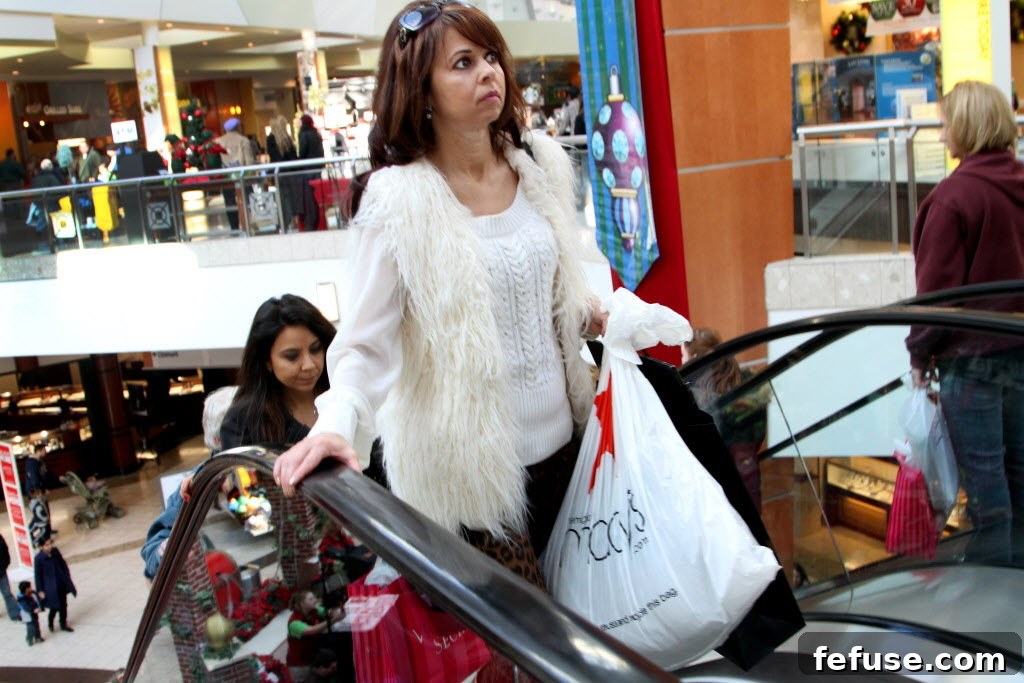
National Retail Federation Unveils Optimistic Holiday Spending Forecast
As the festive season approaches, the retail sector eagerly anticipates consumer behavior and spending patterns that will define the year’s busiest shopping period. The National Retail Federation (NRF), a preeminent authority in retail insights, has released its highly anticipated predictions for consumer spending this holiday season, painting a remarkably optimistic picture for businesses across the nation. These comprehensive forecasts offer invaluable insights into prevailing consumer confidence, purchasing intentions, and the dynamic evolution of the retail landscape, providing a strategic roadmap for retailers preparing for heightened demand.
Rising Consumer Confidence Fuels Increased Spending Projections
A cornerstone of the NRF’s latest reports, derived from an extensive survey conducted by Prosper Insights & Analytics, is the projected increase in individual consumer spending. Shoppers are poised to dedicate a significant portion of their budgets to gifts and seasonal purchases, signaling a robust sense of economic well-being and an enhanced willingness to spend freely. The survey meticulously found that consumers plan to spend an average of $967.13 this holiday season. This figure represents a notable 3.4 percent surge from the previous year’s forecast, where consumers indicated they would spend approximately $935.58 during the same period. This encouraging upward trajectory unequivocally underscores growing consumer optimism and a healthy economic environment, establishing a solid foundation for retailers to capitalize on heightened purchasing power.
This anticipated rise in individual spending transcends a mere numerical increase; it mirrors broader positive economic sentiments. When individuals feel secure in their employment and observe a steady growth in their incomes, their propensity to engage in discretionary spending naturally escalates. This positive economic outlook directly translates into a stronger retail performance, fostering an environment where consumers are not only comfortable with their present financial standing but also confident about future economic prospects. This sustained confidence invariably leads to more generous holiday budgets, benefiting various retail segments. Retailers who adeptly recognize and respond to these underlying economic drivers can more effectively tailor their product offerings, promotional strategies, and overall customer experience to capture this amplified consumer engagement.
Substantial Growth Anticipated in Overall Holiday Retail Sales
Beyond the impressive individual spending projections, the NRF’s broader forecast for overall holiday retail sales further solidifies the optimistic outlook for the sector. The federation announced robust expectations for holiday retail sales during the critical months of November and December. This crucial two-month window specifically excludes sales from automobiles, gasoline, and restaurants, focusing purely on core retail categories. Projections indicate a substantial growth rate between 3.6 and 4 percent, culminating in total sales estimated to range from an impressive $678.75 billion to $682 billion. This figure represents a significant leap from the $655.8 billion recorded in the preceding year, clearly demonstrating substantial year-over-year expansion within the essential retail sectors.
Such a substantial growth projection serves as a pivotal indicator for the entire retail ecosystem, signaling widespread opportunities. It suggests that despite dynamic shifts in consumer shopping habits and the evolving market landscape, the fundamental desire for holiday gifting and celebration remains profoundly strong. For retailers, accurate forecasts of this magnitude are indispensable for meticulous planning across inventory management, seasonal staffing, and strategic promotional campaigns. A buoyant market environment provides fertile ground for both established national brands and agile emerging businesses to capture a significant share of the increased consumer spending. The anticipated sales volume signifies not just an uptick in transactions but also a general surge in consumer engagement and market vitality, contributing positively to broader national economic indicators and fostering a competitive yet prosperous trading environment.
Diminished Economic Concerns Bolster Buyer Confidence
A particularly compelling insight gleaned from the NRF’s comprehensive survey is the noticeable decline in the impact of economic concerns on consumers’ spending intentions. The data revealed that only 27 percent of consumers surveyed stated that their holiday spending would be influenced by worries about the nation’s economy. This figure represents a significant improvement from 32 percent recorded in the immediate preceding year, marking a noticeable five-percentage-point decrease in economic apprehension. This reduction is a powerful testament to improving consumer confidence and a more stable, positive perception of the economic climate.
This widespread decrease in economic anxiety directly correlates with a heightened willingness to spend among consumers. When individuals are less preoccupied with potential economic headwinds or uncertainties, they become more inclined to make discretionary purchases, including those traditionally associated with holiday celebrations. This pivotal shift in consumer sentiment strongly implies that factors such as sustained employment growth, rising real wages, and a generally perceived robust economy are overriding previous cautionary purchasing behaviors. For retailers, this translates into a more receptive and engaged customer base, less hesitant to make purchases and more open to exploring a wider array of products and services. Comprehending this vital psychological component of consumer spending is crucial for crafting effective and resonant sales strategies that truly connect with a confident and optimistic consumer segment.
Evolving Shopping Channels and Diverse Consumer Preferences
The NRF survey provides critical illumination on where consumers intend to conduct their holiday shopping, showcasing a diverse and increasingly omnichannel approach. While the relentless ascent of online shopping continues unabated, brick-and-mortar stores retain their critical importance, with various physical retail formats attracting distinct segments of shoppers. Understanding these multifaceted preferences is absolutely essential for retailers to optimize their distribution channels, refine their marketing efforts, and engage customers most effectively across all touchpoints.
The Enduring Allure of Physical Retail Stores
Despite the undeniable growth and increasing dominance of e-commerce, traditional physical retail channels demonstrably continue to attract a substantial proportion of holiday shoppers. The survey insights indicated that a significant 57 percent of consumers plan to shop at department stores. This robust figure emphatically underscores the enduring appeal of these larger, multi-category retailers, which often provide an expansive selection of products, a curated and immersive shopping experience, and attractive in-store displays that significantly enhance the festive atmosphere. Department stores remain key destinations for many, offering a unique blend of shopping convenience and traditional holiday cheer that online platforms often struggle to replicate.
Discount stores also maintain their formidable presence in the holiday shopping landscape, with a substantial 54 percent of consumers planning to visit them. This highlights the ongoing importance of value and affordability as primary drivers for many shoppers, particularly during a period when household budgets can be stretched across numerous expenditures. Surprisingly, grocery stores, often understated in broader holiday retail discussions, emerge as remarkably popular, attracting 46 percent of shoppers. This can be largely attributed to their indispensable role in providing everyday essentials alongside specialized seasonal food and entertaining needs. Clothing or accessories stores will see patronage from 35 percent of consumers, reflecting the perennially popular demand for apparel and fashion items as gifts. Furthermore, supporting local economies remains a deeply ingrained priority for many, with 25 percent of consumers planning to shop at small or local businesses, emphasizing the appeal of unique finds, personalized service, and a strong sense of community engagement. Finally, 18 percent of shoppers will visit crafts or fabrics stores, catering to the burgeoning trend of DIY gifts, personalized creations, and hobby-related purchases.
The Accelerating Demand for Expedited and Same-Day Delivery
The digital frontier of holiday shopping continues its rapid and transformative evolution, with consumers increasingly prioritizing speed, convenience, and efficiency in their online transactions. The NRF survey distinctly highlights a significant and accelerating trend towards expedited shipping options. A substantial 19 percent of consumers surveyed expressed their clear intention to actively take advantage of expedited shipping services available through online channels. This figure unequivocally indicates a growing willingness among shoppers to pay a premium for faster delivery, often driven by last-minute shopping needs, urgent gift requirements, or simply a desire to receive their eagerly awaited purchases sooner rather than later.
Furthermore, the escalating demand for instant gratification is prominently evident in the rising uptake of same-day delivery services, with a notable 12 percent of consumers planning to utilize this advanced logistical option. While this percentage may appear comparatively smaller, it represents a critical and transformative shift in consumer expectations regarding online fulfillment. Retailers who are capable of successfully implementing, managing, and scaling same-day delivery capabilities are strategically poised to gain a significant competitive edge, particularly within densely populated urban areas. The increasing emphasis on unparalleled speed and unwavering efficiency in online order fulfillment presents both a considerable challenge and a profound opportunity for logistics providers and sophisticated e-commerce platforms. For retailers, strategic investment in robust supply chains, state-of-the-art fulfillment centers, and cutting-edge delivery networks is no longer merely an advantage but an absolute necessity to comprehensively meet these evolving customer demands and ensure an utterly seamless and satisfying online shopping experience.
Understanding Consumer Holiday Shopping Start Times
Grasping the precise timing of holiday purchases is of paramount importance for retailers to strategically synchronize their marketing campaigns, optimize inventory management, and effectively deploy seasonal staffing. The NRF survey offers invaluable insights into the typical periods when consumers commence their holiday shopping endeavors, revealing distinct patterns that inform retail strategy.
A significant majority of respondents, specifically 59 percent, indicated their intention to wait until at least November to initiate their holiday shopping. This firmly reconfirms the traditional pattern of the holiday shopping season traditionally kicking into full gear post-Halloween, with major sales events such as Black Friday and Cyber Monday serving as primary catalysts and accelerators. This substantial segment of shoppers often meticulously seeks out the most advantageous deals and compelling promotions offered during these peak periods, demonstrating a strategic and budget-conscious approach to maximizing their holiday purchasing power.
Conversely, a substantial 22 percent of consumers revealed that they had either already commenced or were planning to start their holiday shopping as early as October. This “early bird” segment underscores a growing and important trend of consumers electing to spread their holiday purchases over an extended period. This proactive approach might be motivated by a desire to mitigate potential financial strain, strategically avoid the intense rush and stress of December shopping, or capitalize on early seasonal sales and promotions. For astute retailers, this data emphatically highlights the increasing importance of extending their promotional periods and ensuring relevant inventory availability much earlier in the fall season to effectively capture these proactive shoppers. A well-balanced and agile approach to sales and marketing—one that caters thoughtfully to both early planners and traditional November starters—is unequivocally key to maximizing overall holiday season revenue and achieving comprehensive market penetration.
Retailer Preparedness and Industry Optimism
The overwhelmingly positive outlook emanating from the NRF’s data is strongly corroborated by leading industry figures, who highlight the meticulous preparedness of retailers to effectively meet this anticipated surge in consumer demand. Matthew Shay, President and CEO of the NRF, articulated this collective sentiment with clarity and conviction: “With employment and incomes increasing, consumers are more confident this year, and that is reflected in their buying plans for the holidays. Retailers have been stocking up in expectation of this, and all signs are that this will be a busy holiday season.”
Shay’s powerful statement comprehensively encapsulates the proactive and strategic measures rigorously undertaken by retailers in direct response to favorable economic indicators. A confident consumer base, empowered by stable employment and steadily rising incomes, directly translates into substantially increased purchasing power across diverse product categories. Retailers, acutely anticipating this positive economic shift, have strategically invested in bolstering their inventory levels, fortifying their complex supply chains, and meticulously augmenting their staffing to ensure they are exceptionally well-equipped to efficiently handle the heightened volume of transactions expected. This proactive and forward-thinking approach not only effectively mitigates potential stock-outs but also strategically enables retailers to offer a wider and more diverse array of products, alongside delivering superior customer service, thereby significantly enhancing the overall shopping experience. The collective preparedness of the retail sector, synergistically combined with robust and sustained consumer demand, meticulously sets the stage for what is unequivocally expected to be a dynamic, vibrant, and ultimately profitable holiday season across various retail segments nationwide.
Methodology and Reliability of NRF Data
The remarkable accuracy and inherent reliability of these extensive predictions are rigorously underpinned by a meticulous and robust methodology. The NRF survey, expertly conducted by Prosper Insights & Analytics, encompassed a substantial and representative sample size of 7,349 consumers. The comprehensive fieldwork for this critical survey was diligently carried out between October 3 and October 10, ensuring that the gathered data captured prevailing consumer sentiment relatively close to the official onset of the peak holiday shopping period. With an impressive and statistically robust margin of error of plus or minus 1.2 percentage points, the resulting data provides an exceptionally credible and statistically sound snapshot of consumer intentions and future purchasing behaviors. This meticulous and scientific approach ensures that the NRF’s forecasts serve as an exceptionally reliable and authoritative benchmark for all industry stakeholders, effectively guiding strategic decisions, fostering informed discussions, and promoting deeper understanding within the highly dynamic retail community.
Conclusion: A Bright and Prosperous Outlook for the Holiday Season
In comprehensive summary, the National Retail Federation’s holiday spending predictions paint an overwhelmingly positive and highly encouraging picture for the forthcoming festive season. Bolstered by unequivocally increasing consumer confidence, stable employment figures, and steadily rising household incomes, consumers are demonstrably poised to spend more generously than in previous years, thereby driving significant and sustained growth in overall retail sales. The continuously evolving landscape of consumer preferences, distinctively characterized by a seamless blend of traditional in-store shopping experiences and an ever-growing reliance on advanced expedited and same-day online delivery options, emphatically underscores the critical importance of an agile, adaptable, and truly omnichannel strategy for all retailers aiming for sustained success.
From venerable department stores to vital local businesses, and from meticulous early planners to bustling last-minute shoppers leveraging cutting-edge advanced shipping solutions, the season unequivocally promises diverse and abundant opportunities for retailers who are exceptionally equipped to meet these varied and sophisticated demands. The proactive stocking initiatives and strategic planning rigorously undertaken by the entire retail sector, as prominently highlighted by NRF leadership, powerfully demonstrate a collective and decisive readiness to capitalize fully on this optimistic forecast. All prevailing indicators firmly point towards a vibrant, bustling, and highly prosperous holiday season, offering genuinely promising prospects for robust economic activity and fostering an undeniably festive and buoyant atmosphere for shoppers nationwide.