
Navigating the Global Gold Market: India’s Festival-Driven Surge Contrasts with China’s Post-Holiday Lull
The global gold market has recently presented a fascinating tapestry of contrasting regional demands, with India experiencing a significant uplift in purchases driven by key cultural festivals and wedding seasons, coupled with favorable price corrections. This surge stands in stark contrast to the more subdued activity observed in China, the world’s leading gold consumer, where premiums have softened amidst a post-holiday slowdown. Understanding these diverse regional dynamics is crucial for grasping the broader trends shaping the international gold trade and investment landscape. From the bustling streets of Mumbai and Bengaluru to the financial hubs of Hong Kong and Singapore, various factors, including cultural traditions, economic indicators, and seasonal patterns, are playing pivotal roles in influencing consumer behavior and market sentiment towards the precious metal.
India’s Golden Resurgence: Festivals, Weddings, and Attractive Prices Fuel Demand
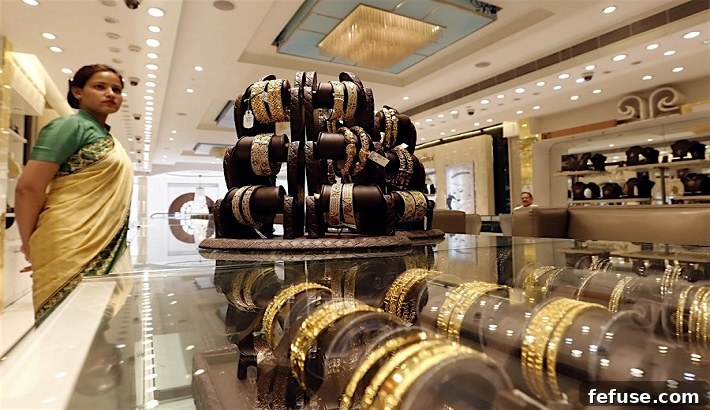
India, a nation deeply intertwined with gold through centuries of tradition and investment practices, witnessed a robust resurgence in gold demand this past week. This heightened interest was primarily catalyzed by increased retail purchases ahead of the auspicious Akshaya Tritiya festival and the ongoing wedding season, both significant drivers for gold acquisition in the country. A key factor invigorating consumer confidence and purchasing power was a notable correction in domestic gold prices. Last week, gold futures in India saw a dip to 31,240 rupees per 10 grams, marking their lowest point in over four months. This represents an attractive 8.2% decline from the 2019 peak of 34,031 rupees recorded in February, making gold considerably more accessible and appealing to a broad spectrum of buyers.
The timing of this price adjustment could not have been more opportune, aligning perfectly with Akshaya Tritiya, an annual Hindu and Jain festival celebrated with immense fervor. This festival, observed on Tuesday, is traditionally regarded as one of the most auspicious days in the calendar for buying gold, symbolizing eternal prosperity and good fortune. The cultural significance of this day ensures a predictable spike in demand, as families and individuals seek to make investments or acquire jewelry believed to bring blessings. The impact of this confluence of factors was palpable across the country, from large metropolitan centers to smaller towns, signaling a strong revival in consumer interest after a period of higher prices.
Local jewelers, the frontline of India’s gold market, reported an overwhelmingly positive response from consumers. Mangesh Devi, a prominent jeweler based in Satara, Maharashtra, highlighted the noticeable increase in foot traffic within showrooms during the Akshaya Tritiya period. More significantly, he noted that the average purchase volume per customer also registered a higher growth compared to the previous year. This observation underscores a deeper buying conviction among consumers, possibly influenced by the perception that gold prices were at a more favorable entry point. The combination of cultural imperative and economic incentive created a powerful impetus for increased gold sales, leading to a vibrant market atmosphere.
In response to this robust consumer activity, dealers in India adjusted their premiums, charging up to $2.5 an ounce over official domestic prices this week. This figure marks an increase from the $2 premium observed in the preceding week, reflecting the heightened demand and competitive buying among market participants. It’s important to understand the structure of domestic gold prices in India, which inherently include a 10% import tax and an additional 3% sales tax. These taxes contribute to the overall cost for the consumer but do not deter buying during periods of strong cultural significance or perceived value, especially when the underlying international prices offer a discount.
The surge in retail purchases naturally triggered a ripple effect throughout the supply chain. Jewellers, having experienced brisk sales over the preceding weeks and during the festival, actively began making purchases to replenish their inventories. A Mumbai-based dealer affiliated with a bullion importing bank confirmed this trend, indicating a strong pipeline for gold entering the Indian market. This replenishment cycle is crucial for maintaining a steady supply of jewelry and investment products to meet the continuous demand fueled by weddings and future festivals. The World Gold Council (WGC), a leading authority on the global gold market, further corroborated this optimistic outlook. In a recent statement, the WGC projected an increase in India’s gold demand for the June quarter compared to the previous year. This positive forecast is attributed to a higher number of auspicious days earmarked for weddings and the sustained fall in local prices, reinforcing the underlying strength of India’s gold market.
China’s Easing Demand: Post-Holiday Lull and Seasonal Shifts
While India celebrated a golden surge, the situation in China presented a contrasting picture. Premiums in the world’s top gold consumer eased considerably, falling to approximately $8 towards the end of the week, down from around $12 at the beginning. This decline signals a noticeable slowdown in buying activity, leading to a more tepid demand environment. Several factors contribute to this shift, primarily a post-Labor holiday lull and the seasonal dynamics inherent in the jewelry sector.
Samson Li, a highly respected Hong Kong-based precious metals analyst with Refinitiv GFMS, offered insight into this trend, explaining that “Chinese premium is falling fast as, after the labor holiday, the jewellery sector enters a dull season.” This seasonality is a critical component of understanding China’s gold market. Following significant public holidays, particularly those conducive to gifting or large purchases, there often follows a period of decreased activity. Consumers tend to complete their major discretionary spending during these festive periods, leading to a subsequent quiet spell for retailers and the broader market. This predictable cyclical pattern influences inventory management and pricing strategies across the Chinese gold industry.
The Chinese gold market, while massive, is also highly responsive to these internal rhythms. The easing of premiums indicates that the supply of physical gold is currently meeting or even slightly exceeding the demand, reducing the urgency for buyers to pay extra for immediate acquisition. This dynamic can also be influenced by broader economic indicators and consumer confidence levels, although the post-holiday effect appears to be the primary driver in this specific instance. As the market navigates this “dull season,” attention will shift towards upcoming holidays and potential policy changes that could re-energize consumer interest and investment in gold.
Regional Variances Across Asia: Singapore, Hong Kong, and Japan
Beyond India and China, other significant Asian gold markets also exhibited their unique characteristics, reflecting a diverse array of influences on demand and pricing. In Singapore, a key regional hub for precious metals, demand softened this week. This resulted in a noticeable dip in premiums, which fell from $1 last week to a range of 60 to 80 cents an ounce. Brian Lan, managing director at GoldSilver Central, a prominent dealer in Singapore, provided valuable context for this observed trend. He noted that “Most of the wholesalers have not restocked after Akshaya Tritiya.” This suggests that even though business in India improved for the festival year-on-year, its immediate ripple effect on regional wholesale demand, particularly in Singapore, might be delayed as dealers assess their inventory levels and future projections. Lan also added, “Prices were more or less stable this week. Besides that, there is not much buying from the investment side during the festivals.” This insight highlights that during culturally driven festivals in the region, the primary focus is often on jewelry and ceremonial purchases, with less emphasis on purely investment-driven gold acquisition.
Meanwhile, Hong Kong, another vital gateway for gold into Asia, experienced a relatively stable week. Premiums in Hong Kong remained largely unchanged, fluctuating between 60 cents and $1.20 an ounce, with demand maintaining a flat trajectory compared to the previous week. This consistency suggests a market in equilibrium, where supply and demand are well-matched, and there are no significant external catalysts pushing prices or premiums in either direction. Hong Kong’s role as a trading and financial hub often means its gold market reflects broader regional and international trends, but its stability in this period indicates a lack of immediate speculative pressure or sudden shifts in consumer behavior.
Further east, Japan presented an interesting counter-narrative, with retail buying showing a slight improvement. A Tokyo-based trader attributed this uptick primarily to a stronger yen, which can make gold denominated in other currencies relatively cheaper for Japanese buyers. When the domestic currency strengthens, it increases the purchasing power of local consumers for internationally priced commodities like gold. This phenomenon translated into higher demand, pushing premiums to 50 cents an ounce, a notable increase compared to the previous week when prices were on par with the benchmark. This demonstrates the significant impact of currency fluctuations on local gold markets, particularly in economies with strong domestic currencies. Japanese investors often view gold as a safe-haven asset, and when combined with favorable exchange rates, it can spur increased acquisition.
Global Implications and the Future Outlook for Gold
The diverse regional performances across Asia – from India’s celebratory surge to China’s quiet spell and Japan’s currency-driven boost – underscore the multifaceted nature of the global gold market. While local cultural practices and seasonal variations undoubtedly play a significant role, these trends are also influenced by broader economic forces, including global gold prices, interest rate expectations, and geopolitical stability. Gold continues to serve as a critical asset for both investment and adornment, with its value proposition shifting based on localized conditions and overarching macroeconomic narratives.
Looking ahead, the outlook for gold demand in these key markets will depend on a continuation of current trends and the emergence of new catalysts. In India, the robust performance during Akshaya Tritiya, coupled with the upcoming wedding season and favorable price points, bodes well for sustained demand in the near term. The World Gold Council’s positive forecast for the June quarter further reinforces this optimism. For China, the post-holiday “dull season” is expected to gradually give way to renewed activity, potentially spurred by future festive occasions or shifts in economic policy that encourage consumer spending. The stability in Hong Kong and the currency-driven demand in Japan highlight the nuanced interplay of local factors with global pricing mechanisms.
Ultimately, the resilience and adaptability of the gold market are evident in its ability to respond to these varied pressures. As investors and consumers worldwide continue to navigate economic uncertainties and seek reliable stores of value, gold’s fundamental appeal remains strong. The ongoing monitoring of regional premiums, retail activity, and broader economic indicators will be essential for charting the future trajectory of this precious metal in the dynamic Asian landscape and beyond.
NewsSource: mining