
India’s Landmark EFTA Trade Deal: Paving a Golden Path for Diamond Exports and Economic Growth
New Delhi, July 2025 – India is on the cusp of a transformative economic era, as a monumental trade agreement with the European Free Trade Association (EFTA) stands ready to redefine its export landscape, particularly for the vibrant diamond industry. This landmark pact, officially ratified by India, promises to eliminate tariffs on Indian diamond exports to the EFTA bloc – comprising Switzerland, Iceland, Norway, and Liechtenstein – over the next decade. This strategic move is expected to unlock unprecedented opportunities, significantly boosting India’s global trade footprint and fostering robust economic growth.
Unpacking the India-EFTA Trade and Economic Partnership Agreement (TEPA)
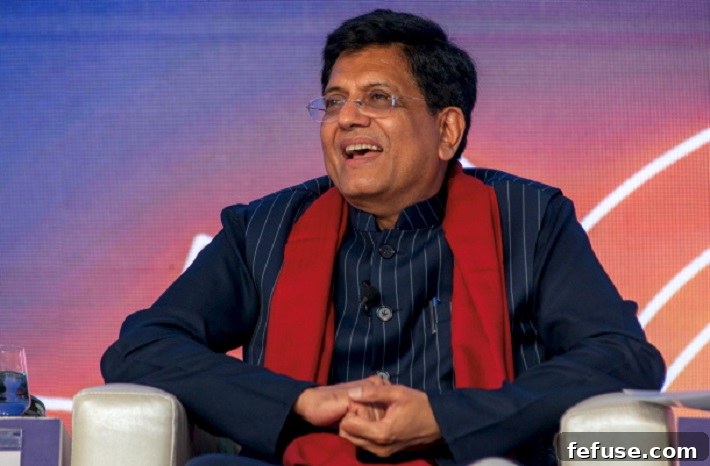
The Trade and Economic Partnership Agreement (TEPA), a culmination of sixteen years of meticulous and often challenging negotiations, represents a cornerstone in India’s global trade strategy. Signed in March 2025, this comprehensive accord has now received formal ratification from all four EFTA member states, signaling their collective commitment to deepening economic ties with India. As announced by India’s dynamic Commerce and Industry Minister, Piyush Goyal, the TEPA is slated to officially take effect on 1 October 2025. This agreement is not merely a tariff-reduction deal; it’s a testament to sustained diplomatic efforts and a shared vision for enhanced bilateral trade and investment between India and these economically significant European nations.
The protracted nature of the negotiations underscores the complexity and breadth of the issues covered within the TEPA. From intellectual property rights to services and investment protection, the agreement encompasses a wide array of economic sectors, designed to create a predictable and transparent trading environment. Its formal ratification marks a crucial milestone, turning years of discussions into tangible economic benefits. For India, engaging with the EFTA bloc offers a strategic pathway to strengthen its presence in non-EU European markets, diversifying its trade partnerships and reducing dependency on existing trade routes.
Diamonds Set to Sparkle: Tariff Elimination and Enhanced Market Access
While the TEPA spans numerous sectors, the diamond trade has rightfully emerged as a primary beneficiary and a headline-grabbing aspect of the agreement. For the Indian diamond industry, a global leader in cutting and polishing, this agreement is nothing short of revolutionary. Switzerland, renowned worldwide as a preeminent hub for luxury goods and high-end precious stones, stands out as by far the most crucial destination among the four EFTA nations for Indian diamonds. Historically, Indian diamond exporters have faced significant import tariffs ranging from 2.5% to 5% when entering the Swiss market. Under the TEPA, these tariffs will be systematically phased out to zero over the next ten years, offering a direct and substantial boost to the competitiveness and profitability of Indian diamond exports.
This phased elimination of tariffs translates into immediate cost savings for Indian exporters and creates a more attractive pricing structure for Swiss and wider European buyers. It is anticipated to stimulate increased trade volumes, encouraging more Indian businesses to target the discerning European luxury market. Beyond Switzerland, while Iceland, Norway, and Liechtenstein currently account for minimal volumes of Indian diamond imports, the TEPA opens significant avenues for future growth and strategic diversification. As awareness of India’s high-quality polished diamonds increases within these markets, coupled with the tariff advantage, new demand channels are expected to emerge, broadening India’s reach across the EFTA region. This preferential access will not only strengthen India’s position as a dominant force in the global diamond trade but also facilitate greater integration into the high-value segments of the European luxury industry.
A Vision for Growth: $100 Billion Investment and One Million Jobs
The economic ramifications of the TEPA extend far beyond tariff reductions, painting a picture of substantial investment and widespread job creation. Speaking passionately at the official announcement on 19 July, Minister Goyal underscored the agreement’s expansive scope and transformative potential. He articulated a bold vision for the future, emphasizing that the TEPA is poised to unlock an astonishing $100 billion in foreign direct investment (FDI) into India over the next fifteen years. This ambitious target is segmented, with $50 billion specifically earmarked for the initial decade, followed by an equal sum flowing into the Indian economy over the subsequent five years. Such a significant influx of capital is expected to catalyze innovation, bolster manufacturing capabilities, and strengthen various key sectors across the nation.
“This is one of India’s most comprehensive trade agreements. It is poised to unlock $100 billion in foreign investment over the next 15 years, with $50 billion targeted in the first decade, followed by an equal sum in the next five years. This strategic partnership will not only foster economic prosperity but also create unparalleled opportunities for our workforce and industries.”
Beyond investment, the TEPA is projected to generate a remarkable one million direct jobs within India. This represents a substantial boost to the employment landscape, impacting a wide range of skill sets and economic strata. The creation of these jobs will likely occur in sectors directly benefiting from increased trade and investment, such as advanced manufacturing, services, and export-oriented industries. Furthermore, the agreement is designed to significantly deepen trade ties between India and the EFTA group, a crucial non-EU European bloc. This strategic partnership promises new avenues and opportunities in diverse sectors, including but not limited to jewellery, cutting-edge technology, life-saving pharmaceuticals, intricate textiles, and heavy machinery. The ripple effect of this agreement will touch numerous ancillary industries, fostering an ecosystem of growth and innovation across the Indian subcontinent.
Strategic Advantages for Indian Exporters and Global Trade Positioning
For Indian exporters, particularly those specializing in high-value, cut, and polished diamonds, the tariff elimination clause is a game-changer. It is expected to dramatically enhance their competitiveness within the discerning European luxury market. With reduced import costs, Indian diamonds will become more price-attractive, allowing exporters to either increase their profit margins or offer more competitive prices, thereby gaining a larger market share. Switzerland, in particular, serves as a crucial conduit and a powerful gateway to numerous global high-end jewellery brands and luxury retailers. Direct, tariff-free access to this market simplifies the supply chain and opens doors to a wider network of prestigious buyers, solidifying India’s position at the pinnacle of the global diamond supply chain.
The TEPA signifies more than just a reduction in trade barriers; it represents a comprehensive economic partnership meticulously designed to foster sustainable trade practices, strengthen enduring bilateral ties, and bring Indian manufacturing and exports closer to Western Europe’s affluent and technologically advanced markets. This agreement aligns perfectly with India’s broader economic aspirations, promoting diversification, value addition, and integration into global supply chains. By securing preferential access to the EFTA markets, India is not only boosting its current export capabilities but also laying the groundwork for long-term sustainable growth, technological exchange, and collaborative innovation with some of Europe’s most prosperous economies.
Moreover, the agreement’s focus on investment protection and intellectual property rights will create a more secure and predictable environment for both Indian and EFTA businesses, encouraging cross-border collaborations and technology transfers. This mutually beneficial framework is set to unlock new avenues for cultural and economic exchange, fostering deeper understanding and cooperation between the vibrant Indian economy and the highly specialized EFTA nations. The long-term vision behind the TEPA is to establish a robust and resilient economic partnership that can withstand global economic fluctuations and continue to drive prosperity for all parties involved.
Conclusion: A New Chapter for India’s Global Ambitions
The ratification of the India-EFTA TEPA marks the beginning of an exciting new chapter for India’s global trade ambitions. This landmark agreement, effective 1 October 2025, promises not only to transform India’s diamond export landscape through tariff elimination but also to catalyze significant foreign investment, create millions of jobs, and deepen strategic partnerships across diverse sectors. As India continues its journey towards becoming a global economic powerhouse, the TEPA stands as a powerful testament to its commitment to open trade, international cooperation, and sustainable economic development. The future of Indian exports, particularly in the glittering world of diamonds, appears brighter than ever, with new horizons of opportunity stretching across the European continent.