
Surat’s Diamond Industry Braces for Another Migrant Worker Exodus Amid India’s Second COVID-19 Wave
The bustling diamond polishing hub of Surat, India, finds itself once again at a critical juncture, facing the daunting prospect of another mass exodus of its crucial migrant workforce. As India grapples with an unprecedented second wave of the coronavirus pandemic, the industry, which is the heart of the global diamond supply chain, is battling renewed fears of labor shortages that could cripple operations and have far-reaching economic consequences.
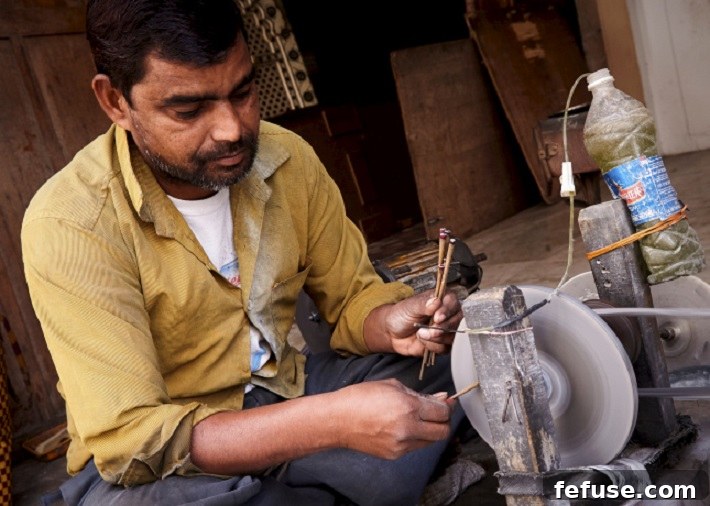
The vibrant streets and workshops of Surat, renowned for cutting and polishing approximately 90% of the world’s diamonds, rely heavily on a skilled artisan workforce, a significant portion of whom are migrant laborers. These workers, hailing from various parts of Gujarat and neighboring states, are the backbone of this multi-billion dollar industry. Their expertise and dedication transform rough stones into dazzling gems, driving India’s position as a dominant player in the international diamond market.
Recalling the First Wave: A Crippling Blow and Resilient Recovery
The memories of the first wave of COVID-19 in March 2020 are still fresh in the minds of Surat’s diamond manufacturers. Last year, the sudden imposition of a nationwide lockdown triggered a mass movement of people, with an estimated half of the industry’s 750,000 artisans abandoning their workstations to return to the perceived safety of their ancestral villages. This unprecedented departure brought the industry to a grinding halt, causing immense production losses, delayed international orders, and significant financial strain on businesses.
The subsequent months saw a slow but determined recovery. As lockdown restrictions eased and confidence began to rebuild, workers gradually returned, drawn by the promise of livelihood and the essential need to support their families. Surat’s diamond sector demonstrated remarkable resilience, implementing new safety protocols, adapting to changing market dynamics, and working diligently to regain its momentum. This recovery, however, was hard-won and fragile, underscoring the delicate balance between public health crises and economic stability.
The Intensifying Second Wave: A Looming Threat
Fast forward to the present, and India is experiencing a far more severe and widespread surge of COVID-19 cases. The daily average of new infections across the nation has skyrocketed, eclipsing the peak figures observed during the first wave in September 2020. With new daily infections frequently exceeding 250,000, and hospital beds, oxygen supplies, and medical resources under immense pressure, a sense of fear and urgency has once again gripped the populace. This alarming rise in cases has reignited concerns within the Surat diamond community that history might repeat itself.
The fear is not merely anecdotal; it is rooted in the practical challenges of sustaining operations while ensuring the health and safety of a large, often densely accommodated, workforce. The psychological impact of witnessing widespread illness and tragic losses in their communities and workplaces is a powerful motivator for workers to seek refuge in their home villages, where they often have larger family support systems and a lower cost of living.
Lessons Learned: Industry’s Proactive Measures to Retain Labor
Despite the gravity of the situation, there is a discernible shift in the industry’s approach compared to the chaotic scenes of last year. Many manufacturers and industry associations in Surat express cautious optimism, asserting that valuable lessons were learned from the initial crisis. They are proactively implementing strategies aimed at retaining their skilled workforce and preventing a repeat of the mass exodus.
One factory owner articulated this sentiment to The Indian Express, stating, “This time around, we are better prepared to take care of the workers. They, too, are better aware of the safety parameters. Hopefully, even if the cases surge further, they won’t leave.” This confidence stems from a multi-pronged approach that includes:
- Enhanced Safety Protocols: Strict adherence to COVID-19 guidelines such as mandatory mask-wearing, regular sanitization of workplaces, thermal screening, and maintaining social distancing norms within factories and dormitories.
- Improved Worker Welfare: Provision of on-site accommodation, subsidized or free meals, and access to basic medical facilities to reduce external exposure and ensure workers feel cared for.
- Awareness Campaigns: Educating workers about the virus, its transmission, symptoms, and preventive measures, helping to dispel misinformation and reduce panic.
- Vaccination Drives: Industry leaders are actively collaborating with local authorities to facilitate vaccination drives for their employees, recognizing this as a crucial step towards long-term safety and stability.
- Financial Incentives and Support: Offering financial assistance, advance payments, or commitment to continued wages even during potential slowdowns, to alleviate economic anxieties that often drive workers back to their villages.
- Open Communication Channels: Establishing clear lines of communication with workers to address their concerns, provide updates, and build trust, fostering a sense of security.
The Crucial Role of Migrant Workers in Surat’s Diamond Ecosystem
The reliance of Surat’s diamond industry on migrant workers is profound. These individuals often bring generational skills in diamond cutting, polishing, and grading, passed down through families. Their expertise is not easily replaced, and their absence creates a significant void in the production chain. A sustained labor shortage doesn’t just impact individual factories; it reverberates throughout the entire ecosystem, affecting:
- Production Capacity: Reduced workforce directly translates to lower output, impacting the industry’s ability to meet global demand.
- Order Fulfilment: Delays in production can lead to missed deadlines for international clients, potentially damaging Surat’s reputation as a reliable supplier.
- Economic Contribution: The diamond industry is a major contributor to Gujarat’s state economy and India’s export revenues. A downturn here has significant national economic implications.
- Ancillary Industries: The diamond sector supports numerous allied businesses, from transportation and logistics to food vendors and accommodation providers. Their livelihoods are also at stake.
Challenges Persist: Navigating Fear and Uncertainty
Despite the industry’s earnest efforts, challenges in worker retention persist. The sheer scale and rapid spread of the second wave have created an atmosphere of intense fear and uncertainty. Many workers, especially those with dependents, prioritize the perceived safety of their villages over urban employment, particularly if access to healthcare feels precarious in the cities. Furthermore, a lingering distrust of urban healthcare systems and a strong cultural inclination towards returning home in times of crisis contribute to the complexity of the situation.
The emotional toll of seeing friends, family, or colleagues fall ill or succumb to the virus is immense. Even with improved welfare measures, the psychological urge to be with one’s extended family during such a widespread health emergency can be overwhelming. The economic insecurity that accompanies prolonged lockdowns or business slowdowns further pushes workers to consider returning to their rural homes, where they might have land or other means of subsistence.
Government Support and Long-Term Implications
The role of government agencies, both state and central, is crucial in supporting the industry’s efforts. Expedited vaccination programs targeting industrial workers, clear and consistent communication regarding public health guidelines, and provision of essential services can go a long way in reassuring the workforce. Additionally, potential financial relief measures or support for businesses to maintain employment during difficult periods could act as vital stabilizers.
Looking ahead, the recurring challenges posed by the pandemic might prompt the Surat diamond industry to consider longer-term structural changes. This could include further investment in automation where feasible, greater emphasis on diversifying the workforce, and critically, a deeper commitment to comprehensive worker welfare programs that go beyond crisis management. Enhancing living conditions, providing better access to healthcare, and building a stronger social safety net for migrant workers could prove invaluable in futureproofing the industry against similar disruptions.
Conclusion: A Cautious Outlook for Surat’s Diamond Hub
The Surat diamond industry stands at a delicate crossroads. While manufacturers have learned from past experiences and are better equipped to handle the current crisis, the intensity of India’s second COVID-19 wave presents an unprecedented challenge. The collective efforts of industry leaders, government bodies, and the workers themselves will determine whether Surat can successfully navigate this storm without suffering another devastating loss of its invaluable human capital. The outcome will not only shape the future of India’s diamond trade but also send ripples across the global gem and jewelry market.