
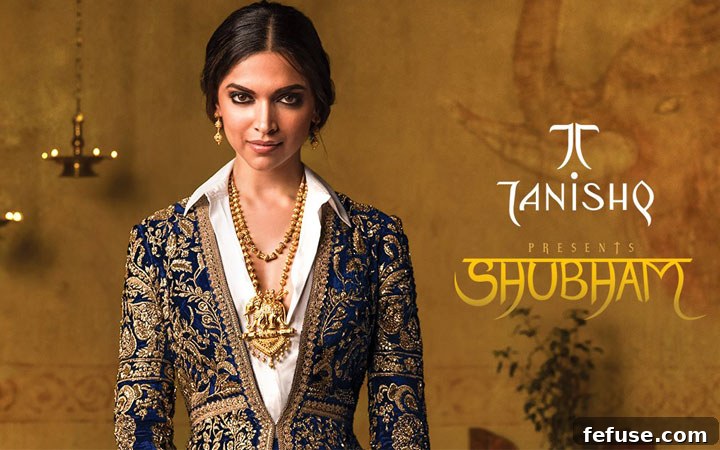
Tanishq’s Strategic Ascent: Building Trust and Dominating the Indian Jewellery Market Amidst Crisis
The Indian jewellery sector, a vibrant tapestry of tradition and commerce, has recently found itself embroiled in a crisis of confidence. A spate of high-profile scams and frauds has not only tarnished the industry’s reputation but also severely eroded consumer trust and tightened the grip of financial institutions on lending. Yet, amidst this turmoil, a beacon of reliability emerges: Tanishq, the flagship jewellery brand of Titan Co. Ltd. Backed by the formidable Tata Group, Tanishq is strategically leveraging its long-standing image of purity and transparency to not only weather the storm but to aggressively capture market share and chart an impressive trajectory of growth.
This period of skepticism, rather than being a deterrent, presents an unprecedented opportunity for Tanishq. As consumers become increasingly wary of dubious practices, their natural inclination is to seek refuge in brands synonymous with integrity and assurance. Titan Co. Ltd. recognizes this pivotal shift in sentiment and is moving decisively to reinforce Tanishq’s position as the ultimate ‘safe haven’ for jewellery purchases, particularly when it comes to the acquisition of “clean gold” rather than transactions shrouded in cash and suspicion.
The Shadow of Scams: Erosion of Trust in India’s Jewellery Sector
The past few years have cast a long shadow over India’s glittering jewellery industry, revealing systemic vulnerabilities and fraudulent activities that have shaken its very foundations. A major turning point arrived in February when Punjab National Bank (PNB), India’s second-largest state-run lender, disclosed a staggering fraud amounting to approximately $2 billion. This elaborate scheme was allegedly orchestrated by two prominent jewellery groups, one controlled by billionaire jeweller Nirav Modi and the other by his uncle Mehul Choksi. The sheer scale and audacity of this financial malfeasance sent shockwaves across the nation, exposing deep-seated issues within the lending ecosystem and the broader jewellery trade.
The revelations did not stop there. Shortly after the PNB scandal, reports surfaced from the Central Bureau of Investigation (CBI) about another significant bank fraud, this time involving Chennai-based Kanishk Gold Pvt. Ltd., to the tune of Rs824.15 crore. These successive high-profile cases painted a grim picture of widespread irregularities, fueling public anger and legislative scrutiny. The cumulative impact of these scandals has been profoundly detrimental to the entire sector. Banks, already under pressure to clean up their balance sheets, have predictably tightened their lending criteria for jewellers, making capital acquisition significantly more challenging for many businesses, especially smaller, unorganized players.
Beyond the financial repercussions, the most critical damage has been inflicted upon consumer sentiment. The very act of purchasing jewellery, often tied to auspicious occasions, investment, and emotional value, became fraught with anxiety. Shoppers, once trusting of local jewellers, began to harbor doubts about the authenticity of products, the transparency of transactions, and the overall integrity of the industry. This environment of suspicion created a vacuum, leaving consumers desperate for reliable alternatives and trustworthy brands.
The stock market reflected this widespread disillusionment. An analysis of 25 firms trading in gems and jewellery on the BSE revealed a stark downturn. From February 13th to March 22nd, only six managed to trade in the green. Among the hardest hit were Gitanjali Gems and Lypsa Gems, whose shares plummeted by 83.85% and 41.13% respectively. In stark contrast, Titan Co. Ltd., the parent company of Tanishq, registered a notable gain of 9.96% during the same turbulent period. This divergence underscored a critical trend: while the broader industry suffered, established, reputable entities like Titan began to emerge as relative beneficiaries of the crisis of trust.
As Titan’s managing director, Bhaskar Bhat, presciently observed in an interview, “When there is suspicion, the industry suffers. Titan will benefit because the impact on consumer sentiment is they want to go to a safe haven, as in a safe place to buy, like Tanishq. They want to buy clean gold rather than buy gold in cash.” This sentiment encapsulates the strategic advantage Tanishq possesses in such volatile times.
Tanishq: A Sanctuary of Purity and Trust Amidst Turmoil
In a market rife with uncertainty, Tanishq stands out as a veritable sanctuary of trust and purity. Its affiliation with the Tata Group, a conglomerate synonymous with ethical business practices and unwavering consumer confidence in India, provides an unparalleled foundation of credibility. This legacy of trust is not merely an abstract concept; it translates into tangible benefits, particularly when consumers are actively seeking assurance regarding the authenticity and value of their gold purchases. The demand for “clean gold”—gold that is certified, transparently sourced, and free from the ambiguities often associated with cash transactions in the unorganized sector—has never been higher, and Tanishq is perfectly positioned to meet this demand.
Strategic Expansion: Forging a Wider Footprint
Recognizing the opportune moment, Titan Co. Ltd. is embarking on one of its most ambitious expansion plans for Tanishq to date. The company intends to inaugurate 44 new Tanishq stores during the 2018-19 financial year. This aggressive expansion strategy is a testament to the brand’s confidence in its ability to capitalize on the prevailing market conditions. With an existing footprint of 240 stores as of February, this addition will significantly boost Tanishq’s national presence, extending its reach into new geographies and deepening its penetration in existing markets.
Network expansion is a critical component of Tanishq’s growth strategy, as there is a natural limit to how much existing stores can grow their sales. By opening new outlets, Tanishq aims to make its trusted brand more accessible to a broader consumer base, particularly those who are now actively seeking organized and reputable jewellers over local, unverified options. This expansion is not just about increasing physical presence; it’s about making a statement of strength and stability in a fragmented and often volatile market. While analysts like Sameer Deshmukh of Reliance Securities Ltd. acknowledge that Titan has “overpromised on expansion in the past,” the current environment provides a powerful impetus for successful execution, driven by clear market demand for trusted players.
Innovative Customer-Centric Initiatives
Beyond geographical expansion, Tanishq has also implemented smart, customer-centric initiatives designed to attract and retain clientele, especially in the wake of the industry’s tarnished image. One such initiative involves making the process of exchanging old gold jewellery significantly more appealing. Historically, consumers might have been charged as much as 8% by various jewellers to melt down and refine impure gold items. Tanishq has drastically reduced this charge, making it far more attractive for customers to bring their old jewellery to its stores for exchange or upgrade. This move not only builds goodwill but also reinforces Tanishq’s image as a fair and transparent entity, directly addressing a common pain point for consumers.
Another powerful draw for customers is the company’s “Golden Harvest Scheme” (GHS). This popular scheme allows customers to save systematically towards future jewellery purchases, often with added benefits or discounts from Tanishq. The GHS contributes significantly to overall sales, accounting for under 20% of the brand’s total revenue. Such schemes foster loyalty and provide a structured, trustworthy avenue for consumers to invest in gold, further differentiating Tanishq from unorganized players who may not offer similar long-term savings programs or guarantees.
Reshaping the Market Landscape: The Shift Towards Organized Retail
The recent scandals are not just temporary setbacks; they are catalysts fundamentally reshaping the competitive landscape of India’s jewellery market. The consumer, now more skeptical and alert, is increasingly gravitating towards larger, organized brands rather than succumbing to the allure of marginal discounts offered by local, unverified players. This shift marks a significant advantage for established national brands like Tanishq, which can leverage their scale, brand reputation, and standardized practices to gain market share.
Analysts unanimously agree that if any company is poised to gain significantly from this period of turmoil, it is Titan, largely due to its robust Tata Group backing. Sameer Deshmukh succinctly put it: “People will be more sceptical and consumers will be more alert and they will prefer going to larger brands rather than going to a local player and getting some extra discount.” This sentiment is driving a potential consolidation in the market, where smaller, less transparent entities may struggle to survive without consumer trust or access to credit.
However, it is also important to acknowledge that Titan is not the sole beneficiary of this market realignment. Other jewellery firms with strong regional brand presences, such as PC Chandra, Raikars, Malabar Gold, Joy Alukkas, and GRT, are also well-positioned to capitalize on the increasing consumer demand for reputable jewellers. These brands, while perhaps not having Tanishq’s national footprint, possess deep-rooted trust within their specific geographical markets and are likely to see similar positive shifts in consumer preference.
Beyond market dynamics, the ongoing issues are also likely to provoke greater government intervention. As Bhaskar Bhat noted, “We do believe these kinds of events will happen in jewellery very often because of the nature of that beast. The government will get more and more interventionist and we have to deal with that.” This suggests a future where tighter regulations, stricter compliance requirements, and enhanced oversight become the norm, further favoring organized players who are better equipped to navigate and adapt to such regulatory environments.
Titan’s Resilience: A Financial Fortress in Challenging Times
Titan Co. Ltd.’s financial performance during this tumultuous period serves as a powerful testament to its resilience and strategic strength. While many of its peers in the jewellery sector faced significant stock declines, Titan not only maintained its ground but also registered impressive gains, showcasing investor confidence in its business model and future prospects. This financial stability is crucial, especially when considering the significant revenue generated by its jewellery division.
In the fiscal year 2016-17, Titan reported a total revenue of Rs12,717 crore. A substantial portion of this, approximately Rs10,237 crore, was derived from the sale of jewellery. Within this dominant segment, gold sales accounted for over 70% of the revenue. This high proportion of gold sales acts as a critical protective buffer for Titan. Unlike diamonds, which can be subject to greater price volatility and discretionary demand fluctuations, gold is considered a stable investment, a store of value, and holds immense cultural significance in India. This focus on gold insulates Titan from potential fallout in consumer demand for diamonds, providing a robust and dependable revenue stream even amidst broader economic uncertainties or shifts in consumer preferences.
This strong financial base, combined with its strategic initiatives, underscores Titan’s robust position. The company is not merely surviving the crisis but is actively turning it into an opportunity for strategic expansion and market consolidation, reinforcing its reputation as a financially sound and trustworthy enterprise in a sector grappling with credibility issues.
Conclusion: Tanishq’s Path to Unrivalled Leadership
The widespread scams and subsequent erosion of trust within India’s jewellery sector have inadvertently paved the way for established, ethical players to assert their dominance. Tanishq, with the backing of the venerable Tata Group, is uniquely positioned to capitalize on this transformative period. Its aggressive expansion strategy, coupled with customer-centric initiatives like reduced melting charges for gold exchange and the popular Golden Harvest Scheme, directly addresses the core anxieties of the modern Indian consumer.
As the industry navigates increased government intervention and a discernible shift towards organized retail, Tanishq’s commitment to transparency, purity, and trust becomes its most potent competitive advantage. Its strong financial performance, particularly its reliance on stable gold sales, provides a solid foundation for sustained growth. By offering a secure and trustworthy haven for gold purchases, Tanishq is not just aiming to increase its market share; it is setting a new benchmark for integrity and reliability, aspiring to cement its position as the unrivalled leader in the Indian jewellery market.