
BRICS Nations Forge Ahead: Shaping a New Era for the Global Diamond Industry at SPIEF
The prestigious St. Petersburg International Economic Forum (SPIEF) recently served as a pivotal platform for critical discussions surrounding the future of the global diamond industry. In a landmark Round Table event titled “Development of BRICS Cooperation in the Diamond Industry,” key stakeholders from BRICS nations converged to outline an independent and equitable agenda for a sector undergoing significant structural transformation. This high-level dialogue underscored the collective ambition of Brazil, Russia, India, China, and South Africa to establish new paradigms of cooperation, transparency, and sustainable growth within the intricate world of diamonds.
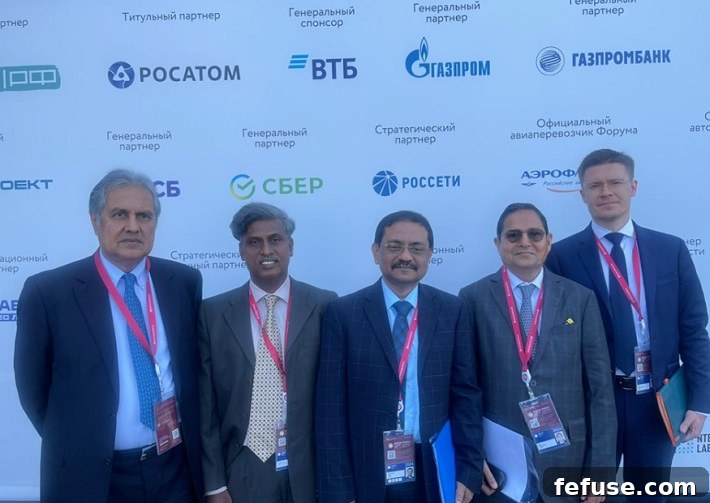
India, a global powerhouse in diamond cutting, polishing, and jewellery manufacturing, played a prominent role in these discussions. A distinguished Indian delegation participated actively, comprising Mr. R. Arulanandan, Director, Department of Commerce; Mr. Kirit Bhansali, Vice Chairman, GJEPC (Gem & Jewellery Export Promotion Council); Mr. Anoop Mehta, President, Bharat Diamond Bourse; and Mr. Sabyasachi Ray, Executive Director, GJEPC. Their presence highlighted India’s deep commitment to fostering international collaboration and shaping a responsible, forward-looking future for the diamond trade, leveraging its unparalleled expertise and significant market share in the value chain. India’s insights into consumption trends, technological advancements in processing, and market dynamics are invaluable contributions to the BRICS initiative.
BRICS: A Collective Force Reshaping the Global Economic Landscape
The BRICS bloc represents an assembly of major emerging economies that collectively wield substantial influence over global trade, investment, and geopolitical dynamics. Comprising nations rich in natural resources, manufacturing capabilities, and burgeoning consumer markets, BRICS is uniquely positioned to redefine traditional global economic frameworks. In the context of the diamond industry, BRICS includes major diamond producers like Russia and South Africa, and leading processing and consumption hubs like India and China. This unique combination offers an unparalleled opportunity to create a more balanced and equitable diamond value chain, moving beyond existing structures that have historically concentrated power and profit in specific regions. The discussions at SPIEF are a testament to BRICS’ growing ambition to exert its collective strength in strategic sectors, fostering self-reliance and mutual prosperity among member states.
The evolving global economic order necessitates that BRICS nations take a proactive stance in sectors vital to their economies. The diamond industry, with its complex supply chains, geopolitical sensitivities, and significant economic impact, is a prime candidate for such collective action. By harmonizing policies, standardizing practices, and facilitating direct trade, BRICS aims to streamline operations, reduce dependencies, and enhance the overall resilience of the diamond sector. This strategic move is not merely about economic gain; it is also about asserting greater control over vital resources and ensuring that the benefits of the diamond trade are distributed more equitably across the value chain, benefiting both producing and consuming nations within the bloc.
Navigating the Evolving Global Diamond Landscape: Challenges and Opportunities
The global diamond industry is currently undergoing profound structural changes driven by shifting consumer preferences, technological advancements, increased scrutiny over ethical sourcing, and geopolitical developments. Traditional market dynamics are being challenged by the rise of synthetic diamonds, a greater demand for transparency and sustainability, and the growing influence of non-Western markets. Against this backdrop, the BRICS initiative offers a fresh perspective and a concerted effort to address these multifaceted challenges while capitalizing on emerging opportunities. The aim is to create a more resilient and adaptable industry that can withstand external shocks and cater to the demands of a modern, conscious consumer base.
Discussions at SPIEF emphasized the urgency of developing an independent agenda for fair cooperation. This independent agenda seeks to create a framework that safeguards the interests of all participants in the diamond value chain, from mining communities to end consumers. It signifies a move towards greater self-determination and reduced reliance on historically dominant market forces. By fostering direct dialogue and collaboration among BRICS members, the initiative seeks to establish benchmarks for responsible practices, fair pricing mechanisms, and sustainable development that resonate with the values and economic aspirations of these emerging economies. This collaborative spirit aims to build a diamond industry that is not only economically robust but also socially and environmentally responsible.
Key Goals for a Transformed BRICS Diamond Cooperation
The Round Table focused on several critical objectives designed to recalibrate the global diamond industry through enhanced BRICS cooperation. These goals are foundational to establishing a new, more equitable, and transparent operational framework, ensuring long-term sustainability and shared prosperity across the bloc. The holistic approach aims to address every aspect of the diamond value chain, from extraction to consumption, making the BRICS nations leaders in ethical and efficient diamond trade.
Fostering Freedom and Openness in BRICS Diamond Markets
A primary goal is to ensure the freedom and openness of BRICS markets for diamond trade. This involves streamlining trade processes, reducing unnecessary barriers, and harmonizing regulatory frameworks among member states. By creating a more accessible and fluid trading environment, BRICS aims to boost intra-bloc trade, reduce transaction costs, and enhance market efficiency. Open markets also mean greater competition, which can lead to better pricing and more innovative services for participants. This fosters an environment where diamond businesses within BRICS can thrive and expand their reach without facing undue protectionist measures or bureaucratic hurdles often found in traditional trading corridors. The vision is to establish BRICS as a preferred network for diamond transactions, characterized by ease of doing business and mutual trust.
Prioritizing the Interests of Diamond Mining Countries
Integral to fair cooperation is the earnest consideration of diamond mining countries’ interests. Nations like Russia and South Africa, rich in diamond reserves, often seek greater beneficiation – adding value to their raw materials locally rather than exporting them unprocessed. This includes developing local cutting, polishing, and jewellery manufacturing industries, thereby creating jobs, fostering skill development, and stimulating economic growth within their borders. The BRICS framework aims to support these ambitions by facilitating technology transfer, investment in local infrastructure, and preferential market access for value-added products from mining countries. This ensures that the wealth generated from their natural resources contributes more significantly to their national development agendas, moving away from simply being raw material suppliers to becoming integrated players in the global diamond value chain.
Building Responsible and Transparent Diamond Supply Chains
Another crucial objective is the construction of responsible diamond supply chains within BRICS countries. This encompasses a commitment to ethical sourcing, environmental sustainability, and social responsibility throughout the entire value chain. Given the growing consumer demand for ethically sourced products, establishing robust traceability mechanisms is paramount. This can involve leveraging advanced technologies such as blockchain to provide immutable records of a diamond’s journey from mine to market, assuring consumers of its provenance and ethical credentials. Beyond traceability, it also means upholding stringent labor standards, minimizing environmental impact from mining and manufacturing processes, and investing in community development initiatives. BRICS nations, already leading centres for diamond trade, production, and jewellery consumption, are ideally positioned to set a global benchmark for what constitutes a truly responsible and sustainable diamond industry. Adherence to or enhancement of existing frameworks like the Kimberley Process Certification Scheme is a vital component of this commitment.
The Crucial Role of the African Diamond Producers Association (ADPA)
The discussions at SPIEF were further enriched by the participation of the African Diamond Producers Association (ADPA). ADPA represents a collective voice for African nations that are significant diamond producers, advocating for their economic interests and promoting sustainable development within their diamond sectors. Their involvement with BRICS is crucial, as it provides a direct channel for African producers to engage with major consuming and processing nations, ensuring that their perspectives on fair trade, beneficiation, and ethical practices are heard and integrated into the BRICS agenda. This collaboration underscores a broader commitment to inclusive growth and South-South cooperation, fostering partnerships that empower African nations to maximize the socio-economic benefits derived from their diamond resources and enhance their participation in the global market.
Future Trajectories and Collaborative Pathways for BRICS Diamonds
The St. Petersburg Round Table marks a significant inflection point, signaling BRICS’ intent to play a more cohesive and influential role in the global diamond industry. The momentum generated from these discussions is expected to translate into concrete actions and policies aimed at realizing the outlined objectives. Future initiatives may include the establishment of a dedicated BRICS working group on diamonds, tasked with developing detailed implementation plans for market integration, regulatory harmonization, and the promotion of responsible supply chain practices. Investment forums focusing on diamond beneficiation in producing nations, joint research on cutting-edge processing technologies, and coordinated marketing strategies for BRICS-sourced diamonds could also be on the horizon.
The long-term vision is to create a dynamic and self-sufficient diamond ecosystem within BRICS, fostering innovation, ensuring equitable wealth distribution, and setting new global standards for sustainability and transparency. Such a cooperative framework would not only benefit member states but also offer a compelling alternative for global consumers seeking assurances regarding the ethical provenance of their diamonds. The BRICS bloc has the potential to redefine the very narrative of the diamond industry, moving it towards a future characterized by shared values, economic empowerment, and collective responsibility.
- **Joint Research and Development:** Collaborating on advancements in diamond processing, synthetic diamond detection, and sustainable mining techniques.
- **Standardized Certification:** Developing a BRICS-specific certification for ethical sourcing and environmental compliance, potentially enhancing or complementing existing global standards.
- **Direct Trade Platforms:** Exploring the creation of a BRICS-centric digital marketplace for rough and polished diamonds, reducing reliance on traditional intermediary hubs.
- **Skill Development Initiatives:** Establishing training programs and vocational centers in mining and processing countries to enhance local capabilities and create high-value jobs.
- **Policy Advocacy:** Presenting a unified BRICS front in international forums to advocate for fairer trade practices and the interests of producing nations.
Conclusion: BRICS Poised to Redefine the Global Diamond Narrative
The discussions held at the St. Petersburg International Economic Forum underscore a clear and resolute intent from BRICS nations to actively shape the future of the global diamond industry. By focusing on an independent agenda for fair cooperation, promoting open markets, prioritizing the interests of mining countries, and building truly responsible supply chains, the BRICS bloc is positioning itself as a leader in fostering a more equitable, transparent, and sustainable diamond trade. This collaborative effort, enriched by the participation of key Indian industry leaders and the African Diamond Producers Association, holds the promise of transforming the global diamond narrative, ensuring that this precious commodity continues to symbolize not just luxury, but also integrity, responsibility, and shared prosperity for all involved stakeholders across the BRICS alliance and beyond.