
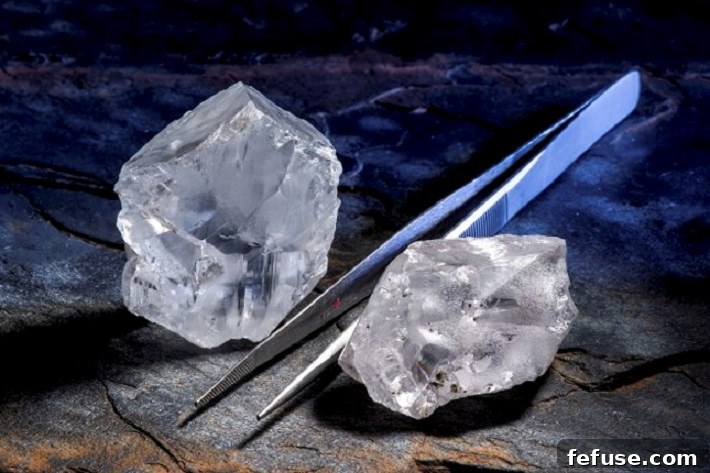
Petra Diamonds Rebounds with Strong $79.3M Rough Diamond Sales Amid Shifting Market Dynamics
Petra Diamonds, a prominent UK-based diamond mining company, has announced robust rough diamond sales totaling $79.3 million in its latest tender, marking a significant recovery after the cancellation of its previous tender in June due to subdued demand. This impressive performance, recorded in August during what the company refers to as Tender 1 of FY 2024, signals a potential turning point for the diamond market, reflecting a cautiously optimistic outlook as the industry navigates evolving global economic conditions.
The recent tender saw Petra sell a substantial volume of rough diamonds, reaching 696,000 carats. This total included 75,900 carats that remained unsold from its May tender and an additional 380,000 carats that were originally slated for the cancelled June tender. The ability to clear this backlog, combined with the new sales, underscores the renewed interest and liquidity in certain segments of the rough diamond market. The sales figures for August represent a near doubling compared to the $42.1 million achieved in May, highlighting a considerable improvement in market appetite and price realization.
Understanding the Varied Demand Across Diamond Categories
The diamond market is not monolithic; demand and pricing often vary significantly across different sizes and qualities of stones. Petra’s latest tender results provide clear evidence of these nuanced trends:
Strong Performance in High-Value, Large Diamonds
A key driver of the improved sales was the evident seasonal uplift in demand for higher-quality, larger stones, specifically those weighing +10.8 carats. Petra reported that these premium diamonds fetched solid prices, indicating strong confidence among buyers in the high-end segment. This category typically caters to the luxury jewelry market, where discerning consumers and collectors often prioritize rarity, size, and exceptional quality, making them less susceptible to broader economic fluctuations that impact more commoditized goods. The consistent demand for these significant stones from mines like Cullinan and Finsch often acts as a barometer for the health of the high-end diamond sector, suggesting resilience at the top tier.
Challenges in the Mid-Range Diamond Market
Conversely, the company observed a discernible slowdown in demand for mid-range diamonds, specifically those falling within the 2-10 carat size ranges. This segment experienced a notable decline in like-for-like prices, approximately 14% lower compared to Tender 5 (May 2023). This weakness is largely attributed to ongoing pressures within the diamond midstream – the segment comprising cutters, polishers, and dealers. High inventory levels, coupled with elevated financing costs due to rising interest rates, have constrained their purchasing power and willingness to stock up on new rough. The midstream often faces a delicate balance between acquiring rough diamonds and managing the subsequent manufacturing and sales cycle, making them particularly sensitive to economic headwinds.
Resilience in Smaller Diamond Categories
In contrast to the mid-range struggles, demand for smaller diamond categories remained remarkably resilient. Petra reported a modest but consistent increase in like-for-like prices for these stones, ranging between 1-2%. Smaller diamonds often find their way into mass-market jewelry, engagement rings as accent stones, and fashion accessories, areas that can demonstrate more stable consumer demand, even in challenging economic climates. Their lower price point makes them more accessible to a broader consumer base, contributing to their sustained appeal and relatively stable pricing.
Navigating Macroeconomic Headwinds: Interest Rates and Inflation
Petra Diamonds highlighted that there are growing indications that the high rates of interest and inflation, which have significantly impacted the diamond midstream, may have now peaked and are poised to decline. For months, the diamond supply chain, particularly the cutting and polishing centers, has grappled with the dual challenge of escalating operational costs and the increased expense of holding inventory. High interest rates translate directly into higher financing costs for inventory, forcing midstream players to be more cautious with their purchases and focus on destocking existing inventories before acquiring new rough.
Inflation further complicates matters by increasing labor, energy, and logistics costs, squeezing profit margins. The anticipation of these macroeconomic pressures easing is a crucial factor for a potential market recovery. A decrease in interest rates would reduce the financial burden on the midstream, potentially stimulating demand for rough diamonds as inventory holding costs become more manageable. Similarly, moderating inflation could restore healthier profit margins, encouraging greater activity across the supply chain.
Optimistic Outlook for the Seasonally Stronger Period
Looking ahead, Petra Diamonds remains optimistic about the prospects for the diamond market, particularly as the industry enters a traditionally stronger seasonal period. This critical window includes major global holidays and festive occasions such as Diwali, Thanksgiving, Christmas, and the Chinese New Year. These events are historically associated with peak jewelry purchasing, driving significant consumer demand worldwide.
The company anticipates that this surge in consumer spending on jewelry will provide much-needed support to diamond prices over the balance of the calendar year. As consumers celebrate and exchange gifts, the demand for diamond jewelry typically escalates, filtering back through retailers, manufacturers, and ultimately to rough diamond suppliers like Petra. This seasonal uplift is a vital component of the diamond industry’s annual cycle, often determining the overall health and profitability of the sector.
CEO Richard Duffy’s Perspective on Market Nuances
Richard Duffy, CEO of Petra Diamonds, offered a balanced perspective on the recent tender results. He acknowledged the very strong attendance at the tender, indicating a widespread interest from buyers. However, he also noted that demand was “more muted than we had expected in exiting the summer holiday period.” This sentiment reflects a degree of caution among buyers, possibly still influenced by the lingering macroeconomic uncertainties and high inventory levels in the midstream.
Duffy further elaborated on the performance of Petra’s key assets. He stated that average prices for both the renowned Cullinan mine and the Finsch mine benefited from an improved product mix. An “improved product mix” typically means that a higher proportion of valuable or larger diamonds were sold, which naturally elevates the average price per carat, even if individual stone prices in certain categories remain flat or decline. This strategic management of the product offering played a significant role in enhancing the overall value realized from the tender.
However, it’s important to distinguish this from like-for-like price movements. Duffy clarified that like-for-like prices, which compare similar diamonds sold at different tenders, actually declined by 4.3% compared to the most recent Tender 5 of FY 2023, which concluded in May 2023. This slight decline in like-for-like prices, despite the overall increase in average prices due to product mix, underscores the subtle pressures still present in the market for specific diamond categories. It indicates that while Petra successfully sold higher-value goods, the underlying pricing power for a consistent basket of diamonds experienced a modest dip.
Petra Diamonds: A Key Player in the Global Rough Diamond Market
Petra Diamonds stands as a leading independent diamond mining group, listed on the London Stock Exchange. The company boasts a portfolio of world-class operations, most notably the Cullinan and Finsch mines in South Africa. The Cullinan mine is globally renowned for producing some of the world’s most iconic and largest diamonds, including a significant portion of the British Crown Jewels. Its historical significance and consistent output of exceptional stones make it a cornerstone of Petra’s operations. The Finsch mine, also located in South Africa, is another substantial producer of high-quality diamonds, contributing significantly to Petra’s overall production volume and value.
The company’s performance is therefore a key indicator of trends within the broader rough diamond market. Its ability to navigate challenging economic environments, adapt its sales strategies, and capitalize on evolving demand patterns is crucial for its sustained success and influence within the industry. The recent tender results demonstrate Petra’s strategic agility in managing its inventory and maximizing value amidst fluctuating market conditions, solidifying its position as a vital supplier to the global diamond trade.
Conclusion: A Cautious Step Towards Recovery
Petra Diamonds’ successful $79.3 million rough diamond sale represents a significant step towards market normalization and recovery. While challenges persist, particularly within the mid-range diamond sector and the broader macroeconomic environment, the robust demand for high-value stones and the resilience of smaller categories offer encouraging signs. The anticipation of easing interest rates and inflation, coupled with the traditionally strong holiday shopping season, paints a cautiously optimistic picture for the remainder of the year. Petra’s strategic management of its product mix and its ability to clear previously unsold inventory position the company favorably to capitalize on improving market conditions, demonstrating its adaptability and strength in the dynamic global rough diamond market.