
The Kimberley Process: Navigating the Future of Ethical Diamond Trade
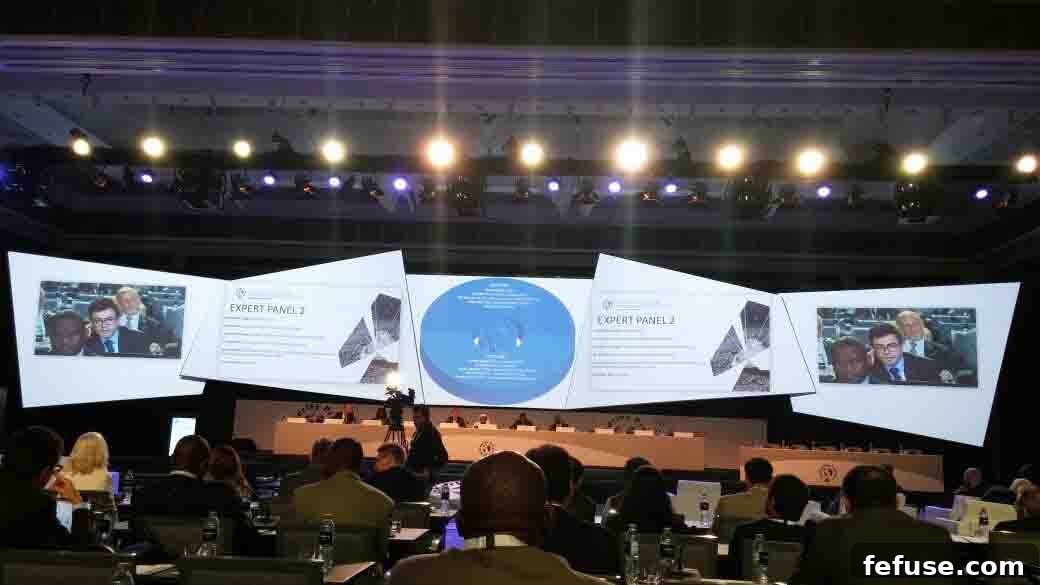
The global diamond industry, a complex web of extraction, trade, and luxury, faces continuous scrutiny regarding ethical sourcing and transparency. At the heart of these efforts lies the Kimberley Process Certification Scheme (KPCS), an international multi-stakeholder initiative established in 2003 to prevent the flow of conflict diamonds. In a pivotal moment for its ongoing evolution, the Annual Plenary Meeting of the Kimberley Process convened from November 13 to November 17, marking a crucial platform for dialogue, debate, and decision-making on the future trajectory of responsible diamond trade.
Hosted by the United Arab Emirates, the meeting in November was more than a routine gathering; it was a testament to the KP’s commitment to adapting to contemporary challenges and solidifying its mandate. The agenda was packed with formal and informal discussions, bringing together delegations from participating nations to address critical issues ranging from governance reforms to the intricate science of diamond valuation. The intensity of these discussions underscored the collective recognition that the Kimberley Process must continually evolve to maintain its relevance and effectiveness in a dynamic global landscape.
Annual Plenary Meeting Sets Agenda for Reform
The week-long Plenary Meeting officially commenced on November 13 with significant preparatory activities, including two engaging panel discussions held as part of the Third Forum on Rough Valuation. These early sessions provided a foundational platform for deeper engagement, allowing participating delegations to explore complex issues and foster consensus in informal settings before the formal proceedings began. The overarching goal was clear: to reinforce the integrity of the diamond supply chain and ensure that diamonds contribute positively to the economic development of producing nations, rather than fueling conflict.
According to a release issued by the then-Kimberley Process Chair, Ahmed bin Sulayem, on the eve of the meeting, two principal topics were poised to dominate the discussions. These groundbreaking proposals aimed to usher in a new era of stability and accountability for the KP. The first was the ambitious proposition to establish a Permanent Secretariat for the Kimberley Process under the aegis of the United Nations. This move signaled a desire for greater institutional strength and continuity. Concurrently, the second key proposal centered on creating an independent fund dedicated to Non-Governmental Organizations (NGOs) actively involved in monitoring and supporting the initiative. Both proposals reflect a forward-thinking approach to enhancing the KP’s operational effectiveness and stakeholder engagement.
Crucial Discussions: Enhancing KP’s Governance and Oversight
The structural integrity and long-term sustainability of the Kimberley Process were at the forefront of the plenary discussions. The proposals for a permanent secretariat and an independent NGO fund are not merely administrative adjustments but represent profound shifts aimed at bolstering the KP’s foundational architecture and its ability to respond to future challenges effectively.
The Case for a Permanent Secretariat Under the UN
Currently, the Kimberley Process operates with a rotating chairmanship, a system that, while promoting broad participation, can also lead to administrative inconsistencies and a lack of institutional memory. The proposal to establish a Permanent Secretariat under the United Nations is a direct response to these challenges. Such a secretariat would provide a stable, dedicated administrative body, ensuring continuity in policy implementation, data management, and operational support regardless of the rotating chair. It would offer a consistent point of contact for stakeholders, facilitate long-term strategic planning, and enhance the overall efficiency of the KPCS.
Integrating the secretariat within the United Nations framework would lend the Kimberley Process greater international legitimacy and access to the UN’s vast resources and expertise in areas like conflict resolution, development, and human rights. This move could elevate the KP’s profile on the global stage, fostering stronger collaboration with other international bodies and potentially streamlining efforts against illicit trade. The UN’s experience in managing complex international treaties and initiatives would provide invaluable guidance, helping the KP navigate intricate political and economic landscapes more effectively. Delegates engaged in spirited debates regarding the practicalities, funding mechanisms, and the potential impact of such a significant structural change on the KP’s existing framework.
Empowering Civil Society: The Proposal for an Independent NGO Fund
Non-Governmental Organizations play an indispensable role in the Kimberley Process. They act as independent monitors, providing crucial on-the-ground intelligence, advocating for stronger standards, and ensuring that the voices of affected communities are heard. Their presence lends significant credibility and transparency to the KPCS. However, many NGOs operate with limited resources and often face challenges in securing stable, independent funding, which can compromise their ability to perform their vital oversight functions effectively.
The proposal for an independent fund for NGOs aims to address these critical issues directly. By establishing a dedicated, autonomous funding mechanism, the KP could empower civil society representatives to participate more robustly in its activities, including review missions and working groups, without fear of financial constraints or undue influence. This fund would enhance the independence and sustainability of NGO engagement, thereby strengthening the overall integrity and accountability of the Kimberley Process. An empowered civil society component is essential for the KP to remain a credible and effective tool in the fight against conflict diamonds, fostering greater trust among consumers and industry stakeholders alike.
Addressing Core Challenges: The Third Forum on Rough Diamond Valuation
Beyond governance, the meeting delved into one of the most technically complex and economically significant issues facing the diamond industry: the valuation of rough diamonds. The Third Forum on Rough Diamond Valuation, following successful preceding forums held in collaboration with the OECD and the Antwerp World Diamond Centre (AWDC), highlighted the persistent challenges and divergent perspectives surrounding this critical area.
The Complexity of Valuation: Why it Matters
Accurate and transparent rough diamond valuation is paramount for several reasons. For diamond-producing nations, particularly those in Africa, it directly impacts the revenues derived from their natural resources. Under-valuation can lead to significant losses in government income, hindering economic development and perpetuating cycles of poverty. For the industry, consistent valuation methods are essential for fair trade, preventing illicit financial flows, and ensuring market stability. The process itself is inherently complex, involving myriad factors such as carats, cut, clarity, color, and unique characteristics, all of which influence a diamond’s ultimate market price. The lack of universally agreed-upon methodologies and the highly specialized nature of the expertise required make it a contentious area.
Divergent Views, Shared Goals: Producers vs. Traders
Discussions at the forum revealed clear distinctions in priorities among different stakeholder groups. Representatives from alluvial producing countries, often characterized by artisanal and small-scale mining, emphasized the urgent need for “capacity building at the ground level.” This call highlighted the desire for practical support, including training for local valuators, investment in local infrastructure, and the transfer of technical knowledge to empower these communities to accurately assess the value of their own resources. Their focus was on equitable distribution and sustainable development at the source.
Conversely, diamond traders, typically operating in more established trading centers, focused on the necessity of “creating a panel of experts to evolve the right methodology for valuation.” This perspective underscored the industry’s desire for standardized, scientifically sound, and internationally recognized valuation protocols. They sought to leverage expert knowledge to develop a robust and consistent framework that could be applied across the global market, thereby reducing subjective interpretations and promoting greater transparency and fairness in transactions. Despite extensive deliberations, a consensus decision on a unified approach could not be reached at the forum, underscoring the deep-seated complexities and differing economic interests at play. This ongoing debate highlights the crucial need for continued dialogue and collaborative efforts to bridge these gaps and establish a valuation framework that serves all stakeholders equitably.
India’s Growing Role in Global Diamond Governance
Beyond the immediate discussions on reforms and valuation, the Plenary Meeting also served as a strategic platform for nations to assert their leadership within the Kimberley Process. The Indian delegation played a particularly active role, engaging in numerous high-level meetings with counterparts from the European Union, China, and Australia. The primary objective of these bilateral and multilateral discussions was to build consensus and garner support for India’s proposal to assume the crucial roles of KP Vice Chair in 2018 and subsequently the Chair in 2019.
A Bid for Leadership: Vice Chair and Chairmanship
This strategic move by India was a continuation of earlier diplomatic efforts. It may be recalled that in May of the same year, India and the EU had presented a joint proposal. Under this earlier arrangement, India was slated to assume the Vice Chairmanship in 2017 and the Chair in 2018. The updated proposal for 2018/2019 reflects India’s sustained commitment and proactive stance in shaping the future direction of the Kimberley Process. Securing these leadership positions would grant India significant influence over the KP’s agenda, policies, and reform initiatives during its tenure.
India’s Strategic Position in the Diamond Pipeline
India’s aspiration for a leadership role within the KP is a natural extension of its unparalleled significance in the global diamond industry. While not a primary producer of rough diamonds, India is the world’s undisputed leader in diamond cutting and polishing, processing over 90% of the world’s rough diamonds by value. The city of Surat, in particular, is often referred to as the “diamond capital of the world,” housing millions of skilled artisans who transform rough stones into polished gems. This unique position gives India a critical vantage point across the entire diamond pipeline, from source to consumer market.
As a major trading and manufacturing hub, India has a vested interest in maintaining the integrity and reputation of the diamond industry. Its leadership in the KP would allow it to advocate for fair trade practices, robust due diligence, and the prevention of conflict diamonds from entering the legitimate supply chain, protecting the livelihoods of millions involved in its domestic diamond sector. India’s growing economic influence and its role as a key player in international trade underscore the strategic importance of its bid for KP leadership, signaling a broader commitment to global governance in ethical trade.
High-Level Participation and Future Outlook
The significance of the Plenary Meeting was further underscored by the high level of participation. Representatives from 81 countries were expected to attend, reflecting the widespread international commitment to the Kimberley Process. The inaugural session featured distinguished keynote addresses, setting a collaborative and forward-looking tone for the week. Speakers included H.E. Abdullah Al Saleh, Undersecretary for Foreign Trade & Industry, UAE Ministry of Economy, who provided insights from a host nation’s economic perspective. He was joined by Ahmed Bin Sulayem, the UAE Kimberley Process Chair, whose leadership was instrumental in guiding the proceedings and facilitating constructive dialogue. Andrey Polyakov, President of the World Diamond Council, also delivered a key address, representing the industry’s commitment to responsible practices and engagement with the KPCS. Their combined perspectives highlighted the multi-stakeholder nature of the Kimberley Process and the shared responsibility in combating conflict diamonds.
Conclusion: Reinforcing the Kimberley Process for a Sustainable Future
The Annual Plenary Meeting of the Kimberley Process represents a critical juncture in the ongoing efforts to ensure a responsible and ethical diamond supply chain. The spirited discussions around establishing a permanent secretariat, creating an independent fund for NGOs, and resolving the complexities of rough diamond valuation underscore a collective desire to strengthen the KP’s framework and enhance its effectiveness. India’s ambitious bid for leadership further highlights the dynamic evolution of international cooperation within this vital sector.
While consensus on all issues, particularly rough diamond valuation, proved elusive, the very act of robust debate and engagement signifies the KP’s commitment to continuous improvement. The outcomes of such meetings lay the groundwork for future policies that will shape the global diamond industry for years to come. By addressing challenges proactively and embracing reforms, the Kimberley Process continues its crucial mission: to prevent conflict diamonds from reaching markets, promote sustainable livelihoods in diamond-producing regions, and uphold consumer confidence in the beauty and integrity of every diamond.