
The Shifting Landscape of Luxury: Branded Jewellery Poised for Exponential Growth
The global jewellery industry, a sector historically characterized by its blend of tradition and opulence, is currently navigating a period of profound transformation. While debates continue to unfold regarding the future trajectories of various luxury segments, a compelling new report unequivocally points towards a significant and sustained surge in the branded jewellery market. This optimistic outlook not only promises lucrative opportunities for established powerhouses but also heralds a new era for innovative players seeking to carve out their niche in this glittering domain.
Unpacking the Predictions: A Decade of Brand Dominance
According to comprehensive research published by the British online marketplace OnBuy.com, the branded jewellery sector, encompassing both high-end luxury pieces and accessible fashion jewellery, currently accounts for a mere 20% of the overall market. However, this modest share is projected to expand dramatically, with forecasts indicating a rise to between 30% and 40% by the year 2020. This prediction, though rooted in industry insider insights, underscores a palpable shift in consumer preferences and market dynamics. The report articulates this sentiment clearly: “Industry insiders believe branded jewellery will claim a higher share of the market by 2020, though views differ on how quickly this shift will occur. Most expect that the branded sector will account for 30-40% of the market by 2020.” This anticipated growth isn’t just a marginal increase; it represents a fundamental recalibration of market power, suggesting that consumers are increasingly gravitating towards the assurance, aesthetics, and aspirational values associated with branded offerings.
Catalysts for Change: Understanding the Driving Forces Behind Branded Jewellery’s Ascent
The report astutely identifies three distinct, yet interconnected, consumer segments that are instrumental in fueling this anticipated growth. Understanding these demographics is crucial for any brand aiming to thrive in the evolving landscape of luxury:
- New Money: The Conspicuous Consumer
This segment comprises individuals who have recently acquired significant wealth and view branded jewellery as a potent symbol of their newfound status and success. For these consumers, a prestigious brand serves as a visible declaration of achievement, a way to signal their arrival in a higher social echelon. They are driven by a desire for recognition and often opt for highly recognizable brands that exude exclusivity and luxury, reinforcing their image and confidence. The allure here lies not just in the intrinsic value of the piece, but in the extrinsic statement it makes about their lifestyle and accomplishments. - Emerging Markets: The Quest for Trust and Aspiration
Consumers in emerging economies are increasingly contributing to the global luxury market. For them, established brands offer more than just exquisite design; they represent a beacon of trust, quality, and an upgraded lifestyle. In markets where product authenticity and reliability can sometimes be a concern, a globally recognized brand provides assurance and a sense of aspirational living. As disposable incomes rise in these regions, a growing middle class seeks to align themselves with global standards of luxury and sophistication, viewing branded jewellery as an investment in quality and a tangible step towards a desired lifestyle. - The Young: Self-Expression and Authenticity through Brands
The younger generations, particularly Millennials and Gen Z, are redefining the very essence of luxury. For them, brands are not merely about status or tradition; they are powerful vehicles for self-expression and self-realization. These digital-native consumers are increasingly turning to brands that resonate with their personal values, aesthetics, and individual identities. They seek authenticity, unique narratives, and pieces that allow them to tell their own story. Branded jewellery, in this context, becomes a form of personal adornment that reflects their individuality, creativity, and connection to a particular culture or ethos, moving beyond conventional notions of luxury to embrace a more personalized and meaningful form of consumption.
The Evolution of Growth: From Legacy Icons to Niche Innovators
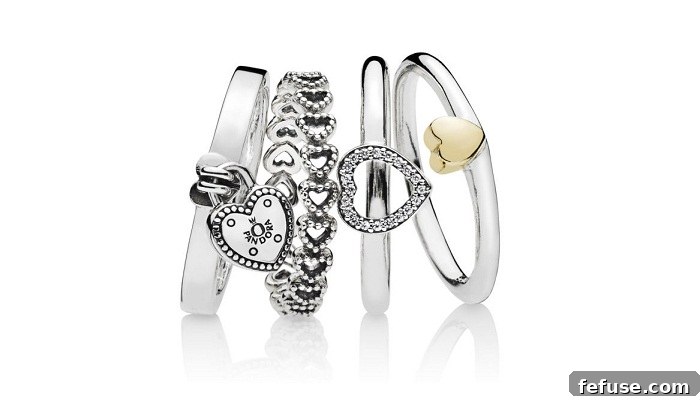
Historically, the growth of the branded jewellery sector has been largely propelled by established titans such as Cartier and Tiffany & Co., whose legacies are built on centuries of craftsmanship, iconic designs, and unparalleled prestige. Alongside these enduring symbols of luxury, newer entrants like Pandora and Swarovski have also played a pivotal role, democratizing branded jewellery through accessible price points, customizable options, and innovative designs that captured a broader market. These brands successfully introduced concepts of “accessible luxury” and fashion-forward pieces, making branded adornments attainable for a wider demographic.
Looking ahead, the landscape of growth is predicted to diversify even further. While the heritage brands will undoubtedly continue their reign, future expansion is increasingly expected to stem from lesser-known names currently populating the market. These emerging players are introducing distinct jewellery collections as a strategic means of expanding their overall product assortment and enhancing brand visibility. This shift signifies a move towards more specialized offerings, catering to niche tastes, and leveraging unique design philosophies to attract consumers seeking novelty and differentiation. Many of these brands might originate from other luxury categories, using jewellery as an extension of their lifestyle brand, or they could be direct-to-consumer (DTC) brands that capitalize on digital channels to reach a global audience without the overheads of traditional retail.
Navigating the Competitive Currents: The Imperative of Differentiation
In this rapidly evolving and increasingly competitive environment, the report emphasizes a critical imperative for all businesses operating within the jewellery sector: the need to relentlessly strengthen and differentiate their product offerings through unique and distinctive designs. The sheer volume of brands and choices available to consumers means that standing out from the crowd is no longer merely advantageous, but absolutely essential for survival and growth. This challenge is particularly acute for small artisans and independent designers who, despite possessing immense creative talent and craftsmanship, often lack the extensive marketing prowess and financial resources required to compete effectively against larger, more established brands.
For these smaller entities, developing a powerful brand identity, cultivating a unique aesthetic, and communicating their story effectively becomes paramount. Strategies such as leveraging social media for authentic storytelling, collaborating with influencers, participating in curated online marketplaces, and focusing on niche markets can help bridge the marketing gap. Emphasizing craftsmanship, ethical sourcing, personalization, and a strong brand narrative can be key differentiators against mass-produced alternatives. The ability to connect emotionally with consumers through genuine artistry and a transparent production process can create a loyal customer base that values uniqueness over ubiquity.
The Broader Picture: A Flourishing Global Jewellery Market
OnBuy.com’s deep dive into the branded jewellery market was inspired by a foundational report from McKinsey & Company, titled “A Multifaceted Future: The Jewellery Industry in 2020.” This earlier study unveiled compelling insights into the overall health and trajectory of the global jewellery industry, forecasting robust annual growth. McKinsey’s report revealed that global sales, which stood at a staggering €148 billion (approximately £132 billion or $173 billion) at the time of the report, were expected to grow at a healthy clip of 5% to 6% each year. This consistent growth trajectory was projected to lead to a remarkable total of €250 billion (approximately £223 billion or $292 billion) by the year 2020. The drivers behind this overarching market expansion include increasing global wealth, particularly the rise of ultra-high-net-worth individuals and an expanding middle class worldwide, the growing trend of self-purchasing jewellery, and the enduring cultural significance of jewellery as gifts and heirlooms.
The synergy between McKinsey’s broad industry analysis and OnBuy.com’s specific focus on branded goods paints a cohesive picture of a dynamic and prosperous sector. The anticipated surge in branded jewellery market share is not an isolated phenomenon but rather an integral component of this larger, robust growth trend within the luxury goods sector. It highlights a consumer landscape where brand identity, trust, and perceived value are increasingly playing a decisive role in purchasing decisions across all segments of the market.
Digital Transformation and the Future of Jewellery Retail
The rise of branded jewellery is inextricably linked to the ongoing digital transformation of retail. E-commerce platforms, like OnBuy.com itself, have played a crucial role in democratizing access to a vast array of brands, both established and emerging. Online marketplaces allow smaller brands to reach a global audience without significant physical infrastructure, reducing barriers to entry and fostering innovation. Digital marketing, social media engagement, and immersive online experiences have become indispensable tools for brands to connect with consumers, tell their stories, and build communities. The ability to showcase unique designs, engage with customers directly, and offer personalized shopping experiences online has significantly contributed to the growth potential of new and existing branded jewellery businesses. This digital shift empowers consumers with more information, choice, and convenience, further fueling the demand for distinct, branded offerings that resonate with their individual preferences.
Conclusion: A Bright and Branded Horizon
The future of the jewellery industry, particularly its branded segment, shines brightly with promise. The predictions of substantial market share growth for branded jewellery, driven by a diverse array of consumer motivations – from status seeking among the newly wealthy, to aspiration in emerging markets, and authentic self-expression among the young – underscore a significant evolution in luxury consumption. While traditional giants will continue to hold sway, the stage is also set for innovative, lesser-known brands to capture consumer imagination with unique designs and compelling narratives. Success in this vibrant and competitive landscape will hinge on a brand’s ability to differentiate itself, tell a compelling story, and strategically engage with its target audience. As the global jewellery market continues its robust expansion, the allure of branded pieces is set to define an exciting and opulent new chapter for an industry that has always epitomized beauty and enduring value. The era of brand power in jewellery is not just arriving; it is already here and rapidly reshaping the contours of luxury.