
Swiss Watches in Cinema: A Deep Dive into Product Placement and Brand Strategy
The allure of a finely crafted timepiece extends far beyond its functional purpose; it’s a statement of style, precision, and heritage. When these magnificent machines grace the silver screen, they often transcend mere props, becoming integral elements that define character, advance plots, or subtly enhance the cinematic experience. This intricate relationship between luxury watches and blockbuster films forms a fascinating intersection of artistry and commerce, a world where product placement walks a fine line between authentic storytelling and blatant advertisement.
Atomic Blonde: A Stylish Introduction to Subtlety (and its Absence)
My recent viewing of Atomic Blonde, a stylish and visceral spy thriller set against the gritty backdrop of Cold War Berlin, perfectly encapsulated this delicate balance. Charlize Theron delivers a magnetic performance as Lorraine Broughton, an impeccably dressed MI6 agent navigating a labyrinthine plot of double-crosses and espionage. The film is a feast for the senses, boasting incredible visuals and a killer ’80s soundtrack that perfectly complements its high-octane action sequences. Theron’s portrayal, channeling an icy resolve and formidable combat skills, naturally draws comparisons to iconic figures like James Bond, albeit with a unique, high-fashion twist.
However, beyond the thrilling hand-to-hand combat and intricate espionage, one particular detail lingered long after the credits rolled: the Carl F. Bucherer timepiece prominently featured as a crucial plot device. The film’s opening scene masterfully piqued my interest, introducing the watch from a tantalizing distance, leaving its identity a mystery. This initial subtlety promised an elegant integration. Yet, this careful build-up was unfortunately undermined by subsequent scenes, including an extended, arguably superfluous sequence set in a watch boutique and an overly long pan of a contemporary Carl F. Bucherer model. This felt less like organic storytelling and more like a direct commercial interlude, distracting from the film’s otherwise captivating narrative flow.

Navigating the Product Placement Landscape in Hollywood
The strategic alliance between the Swiss watch industry and Hollywood is, of course, nothing new. For years, luxury conglomerates like Richemont maintained dedicated offices in Los Angeles, specifically tasked with orchestrating the placement of their prestigious brands in films. Pioneers in this field, such as Seth Berman, defined their efforts as “non-traditional marketing tactics to grow brands by creating cultural awareness and purpose behind Richemont brands.” This approach recognizes that the big screen offers an unparalleled platform for global visibility and brand association.
Indeed, there is undeniable value in seeing a meticulously crafted Swiss timepiece adorning the wrist of a beloved character. When executed authentically, these cameos can enrich the narrative, lend credibility to a character’s lifestyle, or even serve as a silent, powerful storytelling element. Take, for instance, the Jaeger-LeCoultre Master Control worn by Justin Timberlake in Bad Teacher (2011), a subtle detail that adds a layer of sophistication to his character. Such placements feel organic, enhancing the film without overtly demanding attention.
However, the moment product placement crosses the line from subtle integration to overt advertising, filmmakers risk alienating their audience. Today’s viewers are discerning; we are too savvy to mistake blatant brand showcases for genuine narrative elements. Such egregious examples often feel like a cynical cash grab, breaking the immersion and undermining the artistic integrity of the film. Directors like Michael Bay have become infamous for their unrestrained use of product placement, creating compilations that serve as cautionary tales of corporate greed outweighing artistic vision.
The Digital Shift: Millennial Marketing and E-commerce Push
This discussion around film tie-ins also opens a broader conversation about the evolving marketing strategies within the luxury watch sector. It appears as though many Swiss brands have, almost simultaneously, adopted a similar digital playbook. Just a few years ago, the concept of e-commerce for high-end watches was met with significant skepticism, if not outright resistance, from traditional watchmakers. The prevailing wisdom emphasized the tactile experience of luxury, the personal interaction with a sales associate, and the exclusivity of physical boutiques.
Yet, the landscape has dramatically shifted. Today, e-commerce and direct-to-consumer sales are central to nearly every major brand’s strategy. Film tie-ins, while seemingly a traditional marketing channel, are now frequently framed as a clever hook to promote their newfound digital savvy and connect with a younger, millennial audience. This demographic, accustomed to online shopping and digital engagement, represents the future growth engine for luxury goods.
TAG Heuer Kingsman: A Question of Audience Connection
This strategic pivot was starkly evident with the limited edition TAG Heuer Connected Kingsman Special Edition, launched on Mr Porter ahead of the premiere of Kingsman: The Golden Circle. While I haven’t seen the film to judge the watch’s narrative relevance, the very existence of a limited edition smartwatch featuring the Kingsman logo on its dial raises a pertinent question: beyond the immediate cast and crew, who is the intended buyer? Are there truly legions of die-hard Kingsman fans who also happen to be avid collectors of Swiss smartwatches?

TAG Heuer certainly believes so. According to their press release, “The Kingsman program is part of the Swiss watch company’s strategy to connect with a millennial audience and to build its e-commerce business.” This statement perfectly encapsulates the modern luxury brand’s dilemma: how to leverage pop culture phenomena to drive digital sales without compromising brand integrity or alienating traditional enthusiasts. The challenge lies in finding authentic connections that resonate, rather than manufactured ones that feel forced.
Omega in Dunkirk: A Masterclass in Authentic Heritage
In stark contrast to some of the more overtly commercial placements, Omega’s collaboration with Christopher Nolan’s epic WWII film, Dunkirk, stands out as a exemplary model of authentic brand integration. This was not merely a product placement; it was a proud declaration of historical lineage. Omega’s press release didn’t just tout a film tie-in; it meticulously highlighted the brand’s genuine and significant connection to the WWII era.
A vintage ad from 1945, reproduced in the release, powerfully states: “As every Airman knows, all the Navigational watches used by the R.A.F. during the war were made in Switzerland. Approximately half of these were Omega watches.” This is not just marketing; it’s a testament to a proven legacy of precision and reliability under the most extreme conditions. This historical foundation immediately establishes a deep, undeniable authenticity.

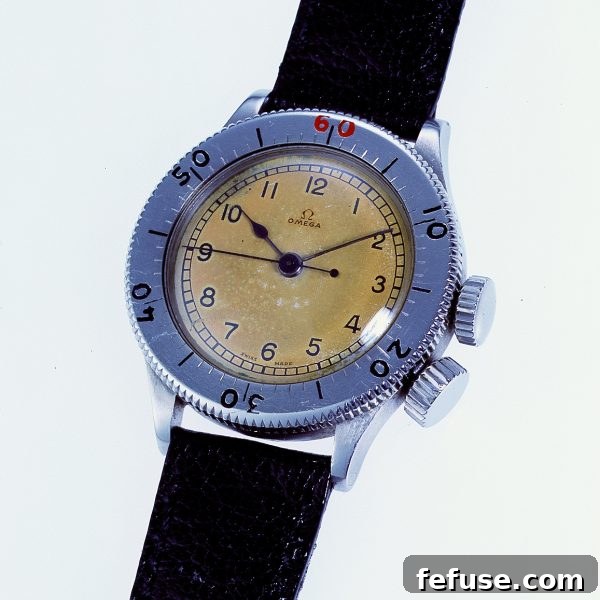
Nolan’s meticulous attention to historical detail extended to outfitting Tom Hardy’s character, a Royal Air Force pilot, with an Omega CK2129. This specific model was among the most commonly worn by members of the R.A.F. during WWII, revered for its robust construction and practical features. Equipped with a rotating bezel, it allowed pilots to accurately time specific intervals—a critical function for aerial navigation and combat. The CK2129 was part of a prestigious lineage of Omega timepieces supplied to the British military, including the UK/CK 2292, affectionately known as “the Spitfire watch,” and the CK2444, “the waterproof watch.”

Omega is entirely justified in drawing attention to its profound legacy as a military instrument. This isn’t product placement for the sake of it; it’s a celebration of its functional heritage and an acknowledgment of its role in pivotal historical moments. The integration of the CK2129 in Dunkirk serves to enhance the film’s authenticity and immerse the audience deeper into the period. The critical lesson here is the delicate balance: one can only hope that neither Omega nor Nolan felt compelled to overemphasize this connection within the film itself. The genuine historical link is powerful enough; to squander such profound legitimacy in a vain attempt to grab a few extra seconds of screen time would be a disservice to both the brand’s heritage and the film’s integrity.
The Future of Luxury Watch Marketing: Authenticity and Engagement
The journey of Swiss watches in cinema reflects the broader evolution of luxury marketing. While the appeal of seeing a beautiful timepiece on the big screen remains undeniable, the methods of achieving that visibility are constantly scrutinized by an increasingly educated and connected audience. The shift towards e-commerce, driven by the desire to engage younger demographics, necessitates a more thoughtful approach to all marketing channels, including film.
Ultimately, the most successful collaborations are those where the product genuinely enriches the storytelling, becoming an organic part of the cinematic tapestry rather than a jarring advertisement. Brands that can authentically weave their heritage, craftsmanship, and purpose into the fabric of a film will not only achieve greater visibility but also foster a deeper, more meaningful connection with their audience, transcending fleeting trends and building lasting cultural relevance. The cinematic stage, when respected and utilized wisely, remains a powerful arena for Swiss watches to tell their timeless stories.