
Richemont, a global titan in the luxury goods sector, recently unveiled its performance for the crucial three months ending December 2023, painting a nuanced picture of growth driven predominantly by its hard luxury divisions. The period, which encompasses the vital holiday shopping season, saw the Swiss conglomerate achieve significant milestones while also navigating evolving consumer preferences and market dynamics across various segments and geographies. This in-depth analysis delves into Richemont’s latest financial report, examining the key drivers behind its impressive jewelry and watch sales, the challenges faced by its fashion and accessories maisons, and the critical shifts observed in its global retail footprint and distribution channels.
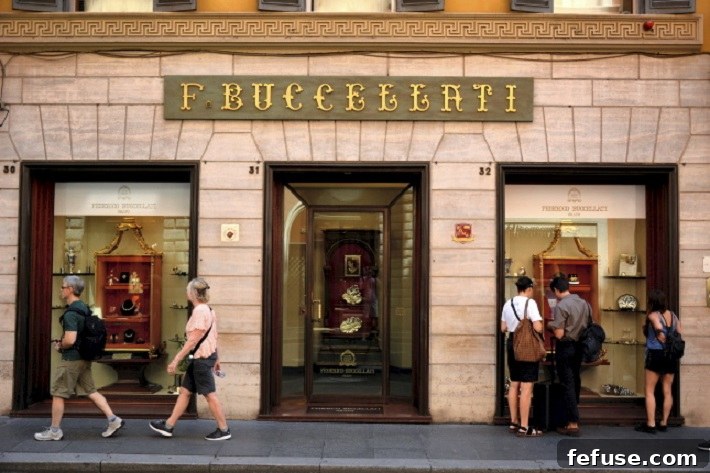
At the forefront of Richemont’s success story was its esteemed portfolio of jewelry brands. Iconic names such as Buccellati, Cartier, and Van Cleef & Arpels continued to demonstrate remarkable resilience and desirability in the fiercely competitive luxury market. Collectively, these high jewelry powerhouses, alongside other distinguished brands within the group, propelled revenue upwards by a robust 12 per cent, reaching an impressive $4.3 billion when measured at constant exchange rates. This substantial increase underscores the enduring appeal of meticulously crafted, high-value jewelry pieces, often viewed by discerning clients not merely as accessories but as tangible investments and enduring symbols of heritage and craftsmanship. The consistent demand for these brands reflects their deeply entrenched market positions, masterful storytelling, and commitment to exceptional quality that resonates with affluent consumers worldwide. Such performance highlights a broader trend within the luxury sector where timeless, investment-grade items continue to outperform more transient fashion trends, solidifying the strategic importance of Richemont’s jewelry segment.
The specialist watchmakers within the Richemont group also contributed positively to the overall results, recording a respectable 3 per cent rise in sales. This growth was largely attributed to a strong retail outperformance, a testament to the effectiveness of Richemont’s direct-to-consumer strategy for its prestigious horological marques. Leading this charge were celebrated brands like A. Lange & Söhne, IWC Schaffhausen, Jaeger-LeCoultre, and Vacheron Constantin. These manufacturers, renowned for their intricate movements, innovative designs, and rich legacies, continued to captivate watch enthusiasts and collectors. The luxury watch market, characterized by its demand for heritage, mechanical excellence, and limited editions, has shown a particular strength in recent years. Richemont’s ability to capitalize on this trend through its network of brand-owned boutiques and enhanced customer experiences proves crucial. The direct retail approach allows for greater control over brand messaging, pricing, and client relationships, fostering an environment where the unique value proposition of each brand can be fully appreciated and translated into sales, even amidst global economic uncertainties. This strategic focus on retail excellence is a significant differentiator in a market increasingly valuing authenticity and exclusive access.
In contrast to the stellar performance of its jewelry and watch divisions, Richemont’s fashion and accessories maisons experienced a slight downturn, with revenue dipping by 1 per cent during the same period. This segment, which includes brands like Chloé, Dunhill, and Montblanc (with its leather goods), often faces different market pressures compared to hard luxury. Fashion and accessories are inherently more susceptible to rapid shifts in consumer tastes, economic fluctuations impacting discretionary spending, and intense competition from a broader array of players, including independent designers and fast-fashion retailers. The marginal decline suggests that while Richemont’s core luxury offerings remain robust, its fashion arm is navigating a more challenging landscape. This performance invites a closer examination of brand strategies, product innovation, and market positioning within this segment, as Richemont strives to enhance the relevance and appeal of its fashion portfolio to a diverse and evolving consumer base. Adaptability and timely trend insights are paramount for sustainable growth in this dynamic sector.
Geographically, Richemont’s Q3 2023 results showcased varying fortunes across its global markets. Japan emerged as the standout performer, registering the most significant growth with an impressive 18 per cent increase in revenue. This robust performance can be attributed to a combination of strong domestic demand driven by a recovering economy and renewed tourist spending, particularly from other Asian markets. Japan’s cultural appreciation for high-quality craftsmanship and luxury goods, coupled with its stable economic environment, makes it a highly attractive market for premium brands. Following closely was the Asia Pacific region, Richemont’s largest geographic market, which saw revenue climb by a healthy 13 per cent, reaching a substantial $2.23 billion. This growth underscores the continued importance of the Asian consumer in driving global luxury sales, fueled by burgeoning wealth in markets like mainland China and Southeast Asia, even as certain economic headwinds persist in some parts of the region. The strategic focus on expanding brand presence and tailoring offerings to local preferences continues to yield positive results across Asia Pacific.
However, the picture was less buoyant in Europe, where Richemont experienced a 3 per cent dip in revenue. This decline reflects broader economic challenges faced across the continent, including inflationary pressures, a higher cost of living, and potentially a more cautious consumer sentiment. While Europe traditionally serves as a critical market for luxury, attracting both domestic buyers and international tourists, the period may have seen a shift in tourist flows or a reduction in discretionary spending by local populations. The intricate interplay of geopolitical factors, currency fluctuations, and varying economic growth rates within European countries can significantly impact luxury consumption. This necessitates a more localized and agile approach to marketing and retail strategies to mitigate adverse effects and capitalize on pockets of resilience. Understanding these regional nuances is crucial for Richemont to recalibrate its strategies and unlock growth opportunities in its historically strong European markets.
Overall, Richemont demonstrated an encouraging trajectory in its Q3 2023 performance. Across all sectors, the luxury conglomerate reported an 8 per cent growth in total sales for the quarter, amounting to an impressive $6.1 billion. This strong quarterly showing contributed to an even more significant cumulative growth over the nine months leading to the end of 2023, with total sales increasing by a robust 11 per cent. These figures collectively highlight Richemont’s inherent strength and its capacity to navigate a complex global economic landscape. The resilience showcased by its flagship jewelry and watch brands was instrumental in driving this overall positive momentum, effectively offsetting the more modest performances in other segments. The results reaffirm Richemont’s strategic positioning within the high-end luxury market, underscoring the effectiveness of its focus on enduring value, unparalleled craftsmanship, and a diversified brand portfolio that caters to the sophisticated demands of its global clientele. The strategic decisions made in brand management, product development, and market expansion are clearly contributing to this sustained growth trajectory.
A particularly noteworthy aspect of Richemont’s report pertained to its distribution channels. The company disclosed that sales growth was recorded across virtually all distribution channels, a testament to its omnichannel capabilities and widespread market reach. This includes its physical boutiques, wholesale partnerships, and other direct sales avenues, all of which contributed positively to the revenue stream. However, there was one notable exception: the online retail channel. Sales through this digital avenue experienced a 5 per cent decline. This specific challenge in online retail warrants careful consideration, especially given the luxury industry’s increasing emphasis on digital transformation and e-commerce growth. The dip in online sales could be attributed to several factors. Post-pandemic, there has been a noticeable shift back towards in-store shopping experiences for luxury goods, where clients can enjoy personalized service, physically inspect high-value items, and immerse themselves in the brand’s ambiance. Furthermore, the complexities of online luxury sales, including logistics, authentication concerns, and the need for a truly premium digital experience, present ongoing hurdles. Richemont’s historical investments in platforms like Yoox Net-A-Porter (YNAP) have faced their own challenges, and this decline might reflect broader strategic recalibrations or intensified competition in the digital luxury space. Addressing this decline will be crucial for Richemont to fully leverage the vast potential of online commerce and ensure a seamless, integrated customer journey across all touchpoints.
In conclusion, Richemont’s Q3 2023 financial update underscores its formidable position in the global luxury market, primarily propelled by the stellar performance of its iconic jewelry maisons and specialist watchmakers. While the company successfully navigated dynamic market conditions to achieve overall growth, specific challenges, particularly within its fashion and accessories segment and the online retail channel, signal areas requiring strategic attention. The impressive growth in key Asian markets, especially Japan and the broader Asia Pacific region, highlights the shifting epicenters of luxury consumption, while a dip in Europe points to ongoing economic headwinds. Richemont’s continued investment in brand heritage, product excellence, and strategic retail operations remains central to its success. The ability to adapt to evolving consumer behaviors and address the intricacies of digital commerce will be paramount as Richemont continues to solidify its leadership role and pursue sustainable growth in the ever-evolving landscape of high-end luxury.