
Strengthening US-India Gem & Jewellery Ties: A Dialogue for Global Industry Advancement
The United States and India share a robust economic relationship, with the gem and jewellery sector standing as a cornerstone of this enduring partnership. India, as a global leader in diamond cutting and polishing, and a significant manufacturer of exquisite jewellery, plays a pivotal role in the worldwide industry. The health and integrity of this sector are vital for both economies, supporting countless livelihoods and fostering international trade. In a significant move to further solidify these ties and address critical industry issues, a high-level delegation from The Gem & Jewellery Export Promotion Council (GJEPC) recently engaged in a productive dialogue with Ms. Manisha Singh, the Assistant Secretary of State for Economic and Business Affairs, USA, during her official visit to Mumbai.
This crucial meeting underscored the strategic importance of continued collaboration between the two nations, aiming to foster mutual growth, enhance transparency, and collectively navigate the evolving landscape of the global gem and jewellery market. Ms. Singh’s office, with its oversight of critical matters such as the Kimberley Process and broader industry issues, served as an ideal platform for a comprehensive discussion on the challenges and opportunities facing the sector.
A Strategic Dialogue for Industry Growth and Sustainability
The GJEPC delegation, representing the apex body of India’s gem and jewellery industry, provided a comprehensive presentation highlighting the Council’s extensive activities, its instrumental role in promoting Indian exports, and the unparalleled strengths of India as a leading manufacturing and trade hub. They articulated how the Indian centre has emerged as a formidable force in the global arena, driven by innovation, skilled craftsmanship, and an unwavering commitment to quality. The discussions were framed around the premise that a mutually beneficial relationship between the gem and jewellery industries of both countries could unlock unprecedented growth potential, creating synergies that would benefit businesses and consumers across the globe.
For decades, Indian jewellery manufacturers have been recognized as among the most reliable, responsible, and high-quality sources for the discerning US market. This reputation is built upon a foundation of trust, ethical practices, and a commitment to meeting international standards. The dialogue with Assistant Secretary Singh further reinforced India’s dedication to strengthening responsible manufacturing frameworks, emphasizing ongoing collaborations between government bodies, the GJEPC, and various trade associations. These concerted efforts are designed to ensure that the entire supply chain adheres to the highest benchmarks of ethical conduct and transparency.
Navigating Key Industry Complexities: A Deep Dive into Discussions
The meeting covered a wide spectrum of issues critical to the contemporary gem and jewellery industry, reflecting the complex interplay of economic, ethical, and regulatory factors that shape global trade. Each point of discussion was approached with a view towards collaborative solutions that would benefit the industry as a whole.
Upholding Ethical Sourcing: India’s Pivotal Role in the Kimberley Process
A significant portion of the discussion revolved around the Kimberley Process Certification Scheme (KPCS), a vital international initiative designed to prevent the trade of conflict diamonds. India has always been a steadfast and committed member of the KPCS, recognizing its profound importance in ensuring ethical sourcing and maintaining consumer confidence in diamonds. As one of the world’s largest diamond processing hubs, India’s active participation and adherence to KPCS regulations are crucial for the integrity of the global diamond supply chain.
The GJEPC delegation apprised the US officials of India’s proactive role not only in implementing the KPCS but also in contributing to its ongoing reform process. These reforms are essential to adapt the scheme to evolving global challenges and strengthen its effectiveness in preventing illicit trade. India’s commitment extends to ensuring that all diamonds entering its processing pipeline are conflict-free, underscoring its dedication to responsible and ethical trade practices. This commitment reinforces India’s position as a reliable and morally upright partner in the international diamond industry, assuring consumers of the provenance and ethical nature of their purchases.
Clarifying the Diamond Landscape: Distinguishing Natural from Lab-Grown
The rise of synthetic, or lab-grown, diamonds has introduced a new dynamic to the diamond market, presenting both opportunities and challenges. The GJEPC highlighted India’s pioneering efforts in developing robust segregation techniques to clearly distinguish between natural and lab-grown diamonds. This proactive approach is vital for maintaining market integrity and preventing any confusion among consumers. India has been at the forefront of implementing technologies and protocols to ensure that these two distinct categories are kept separate throughout the supply chain, from manufacturing to retail.
A key concern raised by the delegation pertained to the recent revisions in the Federal Trade Commission (FTC) guides in the USA. Specifically, the omission of the word “natural” from the definition of a diamond sparked considerable apprehension. The GJEPC articulated that such a linguistic change could inadvertently create significant confusion among consumers, potentially eroding their confidence in the authenticity and value of their diamond purchases. The delegation strongly advocated for the need to maintain clear, separate, and distinct terminology for natural and lab-grown diamonds. This clarity is not merely semantic; it is fundamental to ensuring transparency, enabling informed consumer choices, and preserving the unique heritage and market value of natural diamonds, while also allowing the lab-grown segment to grow with clear distinctions. Without this clarity, the long-term health and credibility of the entire diamond industry could be compromised.
Pioneering Responsible Manufacturing and Transparent Supply Chains
India’s commitment to fostering a truly responsible and transparent gem and jewellery sector extends beyond ethical sourcing of diamonds. The GJEPC emphasized the collaborative efforts between government bodies, industry associations like itself, and the trade to continuously strengthen manufacturing practices and enhance supply chain visibility. India is a full and committed member of the Financial Action Task Force (FATF), demonstrating its adherence to global standards for combating money laundering and terrorist financing. This membership underscores the nation’s dedication to ensuring that its financial systems are robust and impervious to illicit activities, thereby fostering a more secure global trading environment.
Furthermore, the GJEPC proudly highlighted the recent launch of MyKYC Bank, an innovative digital platform designed to promote ease of doing business while simultaneously boosting compliance and enhancing transparency across the sector. MyKYC Bank serves as a centralized repository for Know Your Customer (KYC) documents of businesses within the gem and jewellery trade, streamlining verification processes and significantly reducing the risk of fraudulent activities. By leveraging technology, this platform not only simplifies regulatory adherence for businesses but also plays a crucial role in making the entire sector more transparent and accountable, aligning India with the best global practices in ethical trade and financial diligence.
Reinstating GSP Benefits: A Catalyst for Mutual Prosperity
A critical economic issue raised during the meeting was the reinstatement of Generalised System of Preferences (GSP) benefits for India by the United States. The GSP program, designed to promote economic growth in developing countries by allowing duty-free entry for thousands of products, has historically provided a significant boost to Indian exports, including gems and jewellery, to the US market. Its withdrawal has impacted various sectors, and its reinstatement is seen as a key step towards revitalizing trade relations.
The GJEPC underscored that such a step would be unequivocally mutually beneficial. For India, it would significantly lower costs for exporters, making Indian products more competitive in the US market, thereby stimulating production and bolstering economic growth. For the United States, the reintroduction of GSP benefits would translate into a broader range of competitively priced, high-quality products for consumers and businesses. More importantly, it would support business growth and employment generation in both countries – driving manufacturing and associated services in India, and fostering retail and distribution jobs in the US. This policy decision, the delegation argued, would be a win-win, strengthening the economic ties and creating a more vibrant trade environment.
Facilitating the Dialogue: Key Delegations
The importance of the meeting was reflected in the high-level representation from both sides. Accompanying Ms. Manisha Singh were key US government officials from the U.S. Consulate in Mumbai, including David Moo, Economic Officer; Chelsea Morgan, Economic Officer; and Trisha Chilimbi, Economic Specialist. Their presence underscored the US government’s commitment to engaging deeply on economic and business affairs pertinent to the region.
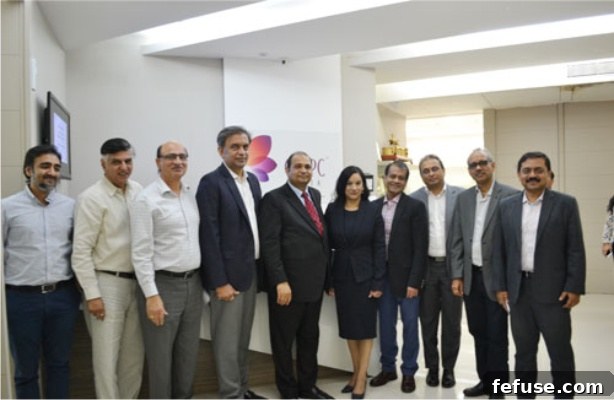
The GJEPC was represented by a distinguished delegation comprising its leadership and prominent industry figures. This included Pramod Kumar Agrawal, Chairman; Colin Shah, Vice Chairman; Russell Mehta; Sanjay Shah; Praveenshankar Pandya; Manish Jivani; Milan Chokshi; as well as Rajeev Shankar Pandya, President, SEEPZ Gem & Jewellery Manufacturers’ Association; Mehul Shah, Vice President, Bharat Diamond Bourse (BDB); and Sabyasachi Ray, Executive Director of GJEPC. The broad representation from various segments of the industry ensured that a holistic perspective on the challenges and opportunities was presented to the US officials.
Charting a Future of Collaboration and Growth
The dialogue between the GJEPC and Assistant Secretary Manisha Singh marks a significant milestone in strengthening the US-India partnership within the global gem and jewellery industry. It served as a critical platform for candid discussions on issues ranging from ethical sourcing and market transparency to trade policies designed to foster mutual economic growth. The meeting reaffirmed India’s unwavering commitment to responsible practices, innovation, and global collaboration, positioning it as an indispensable partner for the US market.
As the industry continues to evolve, characterized by new technologies, changing consumer preferences, and increasing demands for sustainability and ethics, such high-level engagements are paramount. They pave the way for informed policy decisions, harmonized regulations, and a shared vision for a future where the gem and jewellery sector thrives on transparency, integrity, and sustainable growth, benefiting both nations and the global economy at large.