
Unlocking New Horizons: The Compelling Case for Direct Flights Between Surat and Dubai
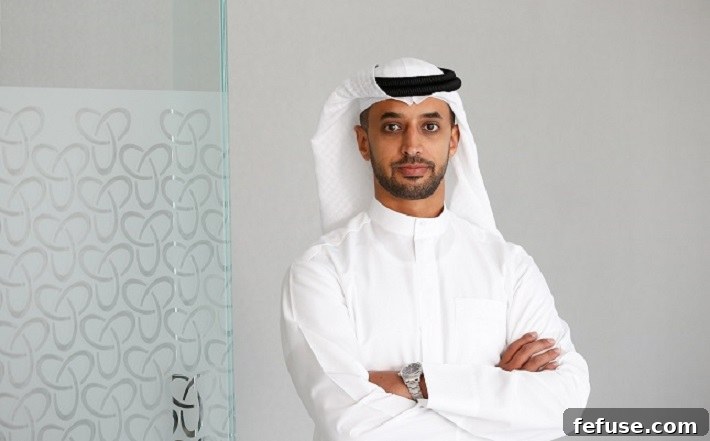
The vibrant economic relationship between India and the United Arab Emirates is poised for a significant leap forward, particularly with the burgeoning ties connecting Surat, India’s diamond and textile hub, and Dubai, the Middle East’s undisputed global trading powerhouse. A powerful advocate for this enhanced connectivity is Ahmed Bin Sulayem, the distinguished Chairman of the Dubai Diamond Exchange (DDE), who is passionately championing the introduction of direct flight services between these two pivotal cities. His vision, rooted in a deep understanding of international trade dynamics, underscores a clear and compelling business case that promises to unlock immense mutual benefits, streamlining commerce and fostering deeper collaborative ventures.
Mr. Bin Sulayem, a towering figure in the commodities sector, is actively urging Flydubai, the prominent government-owned budget airline, to inaugurate this crucial route. His persistent advocacy highlights the strategic importance of direct air links in bridging geographical distances and accelerating the pace of bilateral trade. “I am pushing Flydubai, and I’ll push harder even to have a direct flight to Surat because I see the business case for it,” he emphatically stated during an interview with the Indian business news channel CNBC-TV18. This statement resonates with a broader strategic objective: to further solidify the UAE’s position as a gateway for Indian businesses to global markets and vice-versa, with Surat standing as a vital node in this expanding network.
The Diamond Corridor: Surat and Dubai at the Heart of Global Trade
At the core of this initiative lies the unparalleled significance of the diamond industry. Surat, often hailed as the ‘Diamond City of India,’ is globally renowned for its unparalleled expertise in cutting and polishing approximately 90% of the world’s rough diamonds. This colossal volume of work fuels a sophisticated ecosystem of skilled artisans, innovative technologies, and robust supply chains. Dubai, on the other hand, through entities like the Dubai Diamond Exchange (DDE) housed within the Dubai Multi Commodities Centre (DMCC), has strategically positioned itself as a leading global hub for rough and polished diamond trade, offering world-class infrastructure, secure trading platforms, and a conducive business environment.
The synergy between Surat’s manufacturing prowess and Dubai’s trading sophistication is undeniable. Currently, the journey for diamond traders, manufacturers, and buyers often involves multiple stops, extended travel times, and increased logistical complexities. Direct flights would dramatically cut down travel duration, reduce operational costs, and, crucially, enhance the efficiency and speed of transactions. This expedited process is not merely about convenience; it directly translates into competitive advantages, allowing businesses to respond more rapidly to market fluctuations and capitalize on emerging opportunities in a fast-paced global industry. The seamless movement of high-value goods, particularly diamonds, requires stringent security and expedited transit, which direct flights are uniquely positioned to provide. Furthermore, direct connectivity fosters face-to-face interactions, building stronger trust and relationships essential in the high-stakes diamond trade.
Beyond Diamonds: A Multifaceted Economic Partnership
While the diamond sector provides a formidable impetus, the rationale for direct flights extends far beyond precious stones. Surat is not just the world’s diamond capital; it is also a significant manufacturing and trading hub for textiles, synthetic fabrics, chemicals, and various engineering goods. Its industrial landscape contributes substantially to India’s manufacturing output and export capabilities. The city’s strategic location in Gujarat, a state known for its entrepreneurial spirit and industrial base, further amplifies its importance. Dubai, with its sprawling free zones, advanced logistics infrastructure, and strategic geographical location at the crossroads of continents, serves as a pivotal re-export and distribution center for the wider Middle East, Africa, and parts of Asia and Europe. This makes Dubai an ideal partner for Surat’s diverse manufacturing sector seeking global reach.
Establishing a direct air link would, therefore, catalyze trade across multiple sectors. Business delegations from Surat could more easily explore investment opportunities and forge partnerships in Dubai, accessing new markets for their diverse range of products, from intricate textiles to advanced machinery. Conversely, Dubai-based traders and investors would find it significantly simpler to engage with Surat’s industrial ecosystem, identifying sourcing opportunities, fostering joint ventures, and channeling investments into India’s rapidly growing economy. This dual flow of goods, capital, and expertise would create a virtuous cycle of economic growth and interdependence, stimulating job creation and innovation in both regions. The improved connectivity would also facilitate easier participation in trade fairs, exhibitions, and business summits, enhancing market intelligence and networking opportunities.
DMCC: A Magnet for Indian Enterprises
Ahmed Bin Sulayem, in his dual capacity as Executive Chairman and CEO of DMCC, highlighted the profound connection between Indian businesses and Dubai’s leading free zone. He revealed that the DMCC, home to the DDE, currently hosts an impressive 3,700 Indian companies, with a significant proportion operating within the vibrant diamond sector. This staggering number underscores Dubai’s role as a trusted and preferred international business destination for Indian entrepreneurs and corporations, drawn by its favorable regulatory environment, tax benefits, and world-class facilities. The DMCC’s commitment to facilitating international trade aligns perfectly with the aspirations of Indian businesses looking to expand their global footprint.
For these thousands of Indian-owned businesses, many of which maintain strong operational links with their Indian bases, direct flights to Surat would be transformative. They would facilitate seamless travel for management, sales teams, and technical staff, strengthening corporate governance, enhancing operational oversight, and fostering closer client relationships. The ability for key personnel to commute quickly and efficiently between their headquarters in India and their international operations in Dubai would significantly boost productivity and responsiveness. Furthermore, for aspiring Indian businesses looking to establish an international presence, the ease of connectivity between Surat and Dubai could serve as an even greater incentive to choose DMCC as their global springboard, further diversifying the free zone’s robust economic landscape and cementing its status as a vital bridge between East and West.
The Strategic Vision of Ahmed Bin Sulayem and Flydubai
Mr. Bin Sulayem’s persistent advocacy is a testament to his strategic foresight and understanding of regional and global trade dynamics. As an influential figure at the helm of both the DDE and DMCC, his push for a Surat-Dubai route carries significant weight within government and business circles. His statement during the India roadshow clearly articulated that “there was a clear business case for direct flights,” reinforcing the robust economic logic underpinning this initiative and signaling a strong demand from the business community. His leadership in identifying and championing critical infrastructure links like this route demonstrates a proactive approach to fostering economic growth and international cooperation.
Flydubai, as the proposed airline partner, is particularly well-suited for this role. As a dynamic, government-owned budget carrier with a rapidly expanding network, it specializes in connecting underserved markets and offering direct routes that might not be immediately viable for full-service airlines but hold immense potential for business and leisure travelers alike. Its strategic focus on efficiency, affordability, and extensive regional coverage aligns perfectly with the needs of business travelers who frequent the Surat-Dubai corridor. By providing a cost-effective and direct option, Flydubai can enable more frequent and flexible travel, thereby fostering greater economic engagement and solidifying its position as a key enabler of regional connectivity. The airline’s modern fleet and commitment to customer service further enhance its suitability for this vital route, promising a comfortable and reliable travel experience.
Catalyzing Investment and Bilateral Relations
Improved air connectivity is a foundational element for fostering stronger bilateral investment flows. When travel becomes simpler and more efficient, the administrative and logistical barriers to conducting business across borders diminish significantly. Indian investors eyeing opportunities in Dubai’s rapidly growing sectors – including real estate, technology, logistics, renewable energy, or financial services – would find the journey less arduous, encouraging more frequent visits for due diligence, partnership discussions, and market exploration. Similarly, UAE-based enterprises looking towards India’s burgeoning economy for investment in infrastructure, manufacturing, emerging technologies, or its vast consumer market would benefit from easier access to key industrial centers like Surat and the surrounding regions.
This enhanced accessibility goes beyond mere financial transactions. It cultivates an environment conducive to increased cultural exchange, tourism, and people-to-people connections. While the primary driver for a Surat-Dubai route is undoubtedly business, the secondary benefits of increased tourism, easier family visits for the large Indian diaspora in the UAE, and educational exchange would naturally follow. This broad spectrum of interaction would further enrich the already deep historical and cultural ties between India and the UAE, fostering mutual understanding and strengthening diplomatic relations. The direct connection would serve as a conduit for ideas, talent, and shared prosperity, solidifying the strategic partnership between the two nations.
The Path Forward: Seizing an Unmissable Opportunity
The call for direct flights between Surat and Dubai is not just a plea for convenience; it is a strategic imperative designed to optimize existing trade relationships and unlock new avenues for growth. Both cities represent dynamic economic powerhouses, each contributing significantly to their respective national economies and the global marketplace. Linking them directly by air offers an unparalleled opportunity to streamline supply chains, reduce transit times for high-value goods like diamonds, and provide a more efficient pathway for thousands of business travelers, fostering innovation and competitive advantage.
The vision championed by Ahmed Bin Sulayem, backed by the undeniable economic data and the existing robust network of Indian businesses flourishing within DMCC, presents an unmissable opportunity for Flydubai and the broader aviation sector. By acting on this clear business case, stakeholders can significantly contribute to the prosperity of both Surat and Dubai, further solidifying the India-UAE economic corridor as one of the most dynamic and consequential trade routes in the world. The establishment of this direct link is not a luxury; it is a necessity for the future trajectory of their shared economic success, promising to transform logistical challenges into seamless opportunities for growth, enhanced collaboration, and enduring bilateral prosperity.