
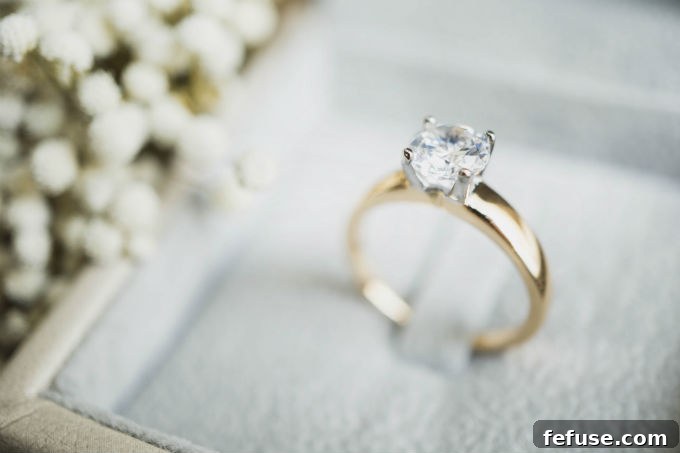
Global Diamond Jewellery Market Shines Bright: Q1 2018 Sales Surge
The global diamond jewellery market experienced a significant uplift in the first quarter of 2018, demonstrating robust health and strong consumer confidence. According to a detailed industry analysis released by Alrosa, one of the world’s leading diamond mining companies, sales of diamond jewellery across major international markets collectively improved by a notable 7 percent year-on-year.
This impressive growth was primarily attributed to a generally favorable macroeconomic environment that spurred consumer spending and confidence worldwide. The data from Alrosa provides a critical snapshot of the industry’s performance, highlighting key regional trends and the underlying economic factors contributing to this positive momentum. This article delves into the specifics of this growth, examining the regional contributions and the broader implications for the luxury jewellery sector.
A Favorable Macroeconomic Climate Fuels Diamond Demand
The strong performance of the diamond jewellery market in early 2018 was intricately linked to an overarching positive global economic landscape. Several factors contributed to this auspicious environment. Many key economies experienced stable GDP growth, accompanied by rising employment rates and increasing disposable incomes. This created a fertile ground for luxury spending, as consumers felt more secure in their financial futures and more willing to invest in high-value, aspirational goods such as diamond jewellery.
Consumer confidence surveys across various regions also indicated an optimistic outlook, further encouraging discretionary purchases. The stability in global financial markets, combined with relatively low inflation rates in major consumer markets, meant that purchasing power remained strong. This confluence of positive economic indicators provided the essential tailwinds for the diamond industry, enabling it to capitalize on renewed consumer enthusiasm and an inherent desire for enduring symbols of love, celebration, and personal achievement.
North America: The Enduring Heartbeat of Global Diamond Jewellery Sales
Dominant Market Share and Consistent Growth
North America, encompassing the United States and Canada, continued to assert its dominance in the global diamond jewellery market during the first quarter of 2018. The region witnessed a solid 5 percent increase in sales compared to the same period in the previous year. This consistent growth is particularly significant given North America’s substantial contribution to the overall market; it accounted for a remarkable 53 percent of total global diamond jewellery sales.
The U.S. market, in particular, is a mature and highly influential segment, characterized by strong cultural traditions surrounding diamond engagements and gifts. Economic indicators in the U.S. and Canada during Q1 2018, such as robust job growth and steady consumer spending, underpinned this performance. Consumers in North America demonstrated a continued appetite for fine jewellery, driven by both traditional milestones like engagements and anniversaries, as well as an increasing trend of self-purchase and celebratory gifting. The market’s stability and its capacity for sustained growth underscore its critical role in the global diamond industry ecosystem.
Asia Pacific: Riding the Wave of Economic Prosperity and Emerging Affluence
Double-Digit Growth Driven by Key Markets
The Asia Pacific region emerged as a dynamic growth engine for the diamond jewellery market in Q1 2018, recording an impressive 11 percent surge in sales. This double-digit increase was largely fueled by continued economic expansion and rising affluence across several key markets, notably mainland China, Hong Kong, and South Korea.
Mainland China, with its rapidly expanding middle class and evolving consumer preferences, played a pivotal role in this regional uplift. As disposable incomes climbed, so did the demand for luxury goods, with diamond jewellery becoming an increasingly popular choice for weddings, anniversaries, and fashion statements. The market has seen a blend of traditional values and modern aspirational buying, with strong growth in both established and emerging urban centers.
Hong Kong, a perennial luxury shopping hub, and South Korea, known for its fashion-forward and affluent consumers, also contributed significantly to the region’s strong performance. These markets benefited from both domestic demand and robust tourism, particularly from mainland China. The Asia Pacific markets, which accounted for 20 percent of global diamond jewellery consumption in 2017, clearly demonstrated their potential for continued ascent and their increasing importance on the world stage for luxury goods.
Europe: Rekindling its Sparkle with Robust Economic Recovery
Strong Economic Performance Translates to Jewellery Demand
Europe experienced a significant resurgence in diamond jewellery sales, registering an impressive 14 percent rise in the first quarter of 2018. This robust growth was a direct reflection of a stronger and more confident European economy. Following years of cautious spending, many European countries witnessed improved economic indicators, including increased consumer confidence and a healthier retail environment.
The recovery across major European economies translated into a greater willingness among consumers to invest in luxury items. Countries like Germany, France, and the United Kingdom, often the powerhouses of European consumption, likely contributed substantially to this uplift. Furthermore, the allure of Europe as a luxury destination for international tourists, particularly from Asia and North America, also played a part. Visitors often seek out unique pieces and high-end brands in iconic European cities, further boosting sales for premium diamond jewellery retailers. This period marked a clear positive shift for the European luxury market, underscoring its enduring appeal and ability to bounce back.
India: Steadfast Demand in a Culturally Rich Market
Stability Amidst Dynamic Global Trends
India’s diamond jewellery market maintained a noteworthy sense of stability in the first quarter of 2018. While not exhibiting the double-digit surges seen in some other regions, this stability is a strong indicator of the market’s underlying resilience and deep-rooted cultural significance. India is one of the world’s largest consumers of gold and diamonds, where jewellery holds immense cultural and traditional value, particularly for weddings and festivals.
Despite recent economic reforms and shifts in consumer patterns, the demand for diamond jewellery in India remained consistent. This stability highlights the intrinsic value placed on diamonds as both symbols of status and significant family investments. The vast population and growing middle class in India present enormous long-term potential for the diamond industry, suggesting that while Q1 2018 was stable, the trajectory for future growth remains strong as the market continues to evolve and adapt to contemporary trends while preserving its rich heritage.
Japan: Strategic Currency Shifts and Tourist Influence Drive Sales
Benefiting from Chinese Shoppers and Favorable Exchange Rates
Japan’s diamond jewellery market also posted positive results in Q1 2018, with sales climbing by 7 percent. A key factor influencing this growth was the strategic weakening of the Japanese yen against the Chinese renminbi. This currency dynamic made luxury goods, including diamond jewellery, more attractive and relatively more affordable for Chinese tourists visiting Japan.
Chinese shoppers are a significant force in Japan’s luxury retail sector, and a favorable exchange rate directly stimulates their purchasing power. Beyond tourist spending, Japanese domestic consumers also continued their demand for high-quality, meticulously crafted jewellery, often characterized by elegant and minimalist designs. The combination of sustained domestic demand and the considerable boost from international tourism, particularly from China, underpinned Japan’s healthy performance in the diamond jewellery market during this period, showcasing the interconnectedness of global economies and consumer travel patterns.
Beyond Q1 2018: Key Trends Shaping the Diamond Jewellery Industry
The strong performance in Q1 2018 was not an isolated event but rather a reflection of broader, evolving trends within the diamond jewellery industry. Understanding these underlying dynamics is crucial for appreciating the market’s trajectory.
Evolving Consumer Demographics and Preferences
A significant trend involves the shifting preferences of younger generations, namely millennials and Gen Z. While traditional bridal jewellery remains important, there’s a growing emphasis on self-purchase, personalization, and unique designs. Consumers are increasingly looking for pieces that reflect their individual style and values, moving beyond conventional choices. This has spurred innovation in design and marketing, with brands focusing on storytelling and creating emotional connections with diverse audiences.
The Rise of E-commerce and Omnichannel Strategies
The digital transformation has profoundly impacted how diamond jewellery is sold. E-commerce platforms have become indispensable, offering convenience, wider selections, and transparent pricing. Retailers are increasingly adopting omnichannel strategies, seamlessly integrating online and offline shopping experiences. This allows consumers to research products online, experience them in-store, and complete purchases through their preferred channel, enhancing accessibility and customer engagement.
Ethical Sourcing and Sustainability
Consumer awareness regarding the origin and ethical sourcing of diamonds has grown substantially. The industry has responded by strengthening initiatives like the Kimberley Process and promoting greater traceability through technologies like blockchain. Brands emphasizing transparency, responsible mining practices, and community development resonate strongly with modern consumers who prioritize ethical consumption and sustainability.
The Emergence of Lab-Grown Diamonds
While natural diamonds continue to dominate, lab-grown diamonds (LGDs) have emerged as a significant disruptor and alternative. Offering identical chemical, physical, and optical properties to mined diamonds at a more accessible price point, LGDs appeal to a segment of consumers seeking affordability or a guaranteed conflict-free origin. The natural diamond industry is adapting by further emphasizing the rarity, heritage, and unique geological story of natural diamonds.
A Glimmering Future: Sustained Growth for the Diamond Jewellery Market
The first quarter of 2018 clearly demonstrated the inherent resilience and enduring appeal of the diamond jewellery market. The 7 percent global sales increase, driven by a robust macroeconomic environment and strong regional performances across North America, Asia Pacific, and Europe, painted a highly optimistic picture for the industry. Even markets like India, which showed stability, and Japan, which strategically leveraged currency fluctuations, contributed positively to this global upswing.
This period of growth was not merely a fleeting moment but rather an affirmation of several fundamental strengths: the persistent consumer desire for diamonds as symbols of love and milestones, the adaptability of the industry to evolving consumer preferences, and its capacity to thrive amidst a healthy global economy. As the industry continues to innovate in design, retail strategies, and ethical practices, the sparkle of diamond jewellery is set to maintain its brilliance, ensuring a sustained and promising future for this treasured sector.