
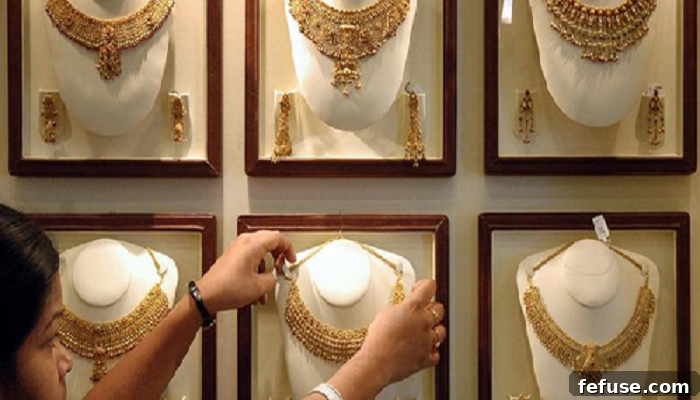
The Golden Lifeline: How Kerala’s Flood Victims Turned to Gold for Recovery
In the aftermath of the most devastating floods to hit Kerala in a century, the resilient residents of the calamity-stricken state faced an arduous path to recovery. Homes were destroyed, livelihoods shattered, and the very fabric of daily life disrupted. Amidst this unprecedented crisis, a traditional cornerstone of Indian financial security – gold – emerged as a crucial lifeline. Many families were compelled to pledge or sell their cherished gold ornaments, transforming their assets into immediate capital needed to rebuild their lives and meet urgent exigencies.
The Devastating Impact of Kerala Floods
The relentless monsoon rains of 2018 unleashed a catastrophe that left an indelible mark on Kerala. The floods, unparalleled in their scale and intensity for over a hundred years, displaced millions, caused widespread structural damage, and led to immense economic losses. As the waters receded, a monumental task of reconstruction awaited. For countless families, the immediate priority shifted from traditional celebrations and investments to securing funds for basic necessities, home repairs, medical expenses, and restarting small businesses. This dire situation fundamentally altered conventional financial behaviors, pushing gold, a symbol of prosperity, into a new role as an emergency financial instrument.
Gold as a Pillar of Resilience: A Traditional Refuge
The Cultural Significance of Gold in Kerala
Gold holds profound cultural, social, and economic significance across India, and particularly in Kerala. It is not merely a precious metal but an integral part of life’s milestones, from births and weddings to religious festivals like Onam. Keralites traditionally invest heavily in gold jewellery, often passed down through generations, viewing it as both a symbol of status and a tangible form of wealth accumulation. It’s perceived as a secure, liquid asset, especially in rural areas where access to formal banking might be limited. This deep-rooted cultural affinity for gold meant that almost every household possessed some form of gold asset, making it the most accessible source of immediate capital during times of crisis.
From Investment to Emergency Fund
Historically, this time of year, coinciding with the wedding season and the harvest festival of Onam, witnesses a significant surge in gold jewellery purchases across Kerala. In 2017, Kerala alone accounted for an estimated 106 tonnes of gold demand, representing nearly 18% of India’s countrywide jewellery demand of 594 tonnes. A substantial 60% of this demand typically occurred in the September and December quarters. However, the floods drastically altered this pattern. What was once a celebratory purchase or a long-term investment suddenly became an emergency fund, a means to survive and rebuild. The precious ornaments that adorned brides or symbolized family heritage were now being repurposed to cover the costs of rebuilding shattered homes and lives.
The Surge in Gold Pledging: A Dire Necessity
Rebuilding Lives, One Ornament at a Time
As the floodwaters receded and affected residents began to assess the full extent of their losses, the need for immediate financial assistance became paramount. With traditional avenues for loans often cumbersome or inaccessible in a crisis, pledging gold offered a swift and relatively straightforward solution. Trade sources and market analysts widely anticipated a significant influx of customers seeking to pledge their gold with non-banking financial companies (NBFCs) and local jewellers. “As rain waters recede and the affected take stock of their losses, it’s probable that there could be an influx to pledge gold with Kerala-based NBFCs,” noted Chirag Sheth, senior consultant at Metals Focus, a data provider to the World Gold Council. This shift underscored the urgent need for liquidity among families grappling with unprecedented financial strain.
The Mechanics and Advantages of Gold Loans
Gold loans, offered by specialized NBFCs and banks, are a popular form of secured credit in India. Borrowers pledge their gold articles (jewellery, coins, bars) as collateral and receive a loan amount typically ranging from 70-75% of the gold’s market value. These loans are characterized by quick processing, minimal documentation, and flexible repayment options, making them an ideal choice for emergency funding. In a post-flood scenario, these advantages were magnified. For families who had lost homes, documents, and other forms of collateral, their gold ornaments remained a readily acceptable asset. This accessibility allowed them to quickly secure funds for crucial needs, bypassing the longer approval processes often associated with other types of loans. The simplicity and speed of gold loans proved invaluable in providing immediate relief and initiating recovery efforts.
Gold Loan Companies: Frontline Responders in the Crisis
The unprecedented demand for immediate funds positioned gold loan companies, especially those with a strong presence in Kerala, at the forefront of the financial recovery efforts. Major players like Muthoot Finance and Manappuram Finance, whose core business revolves around lending against gold, were expected to see a significant surge in customer footfall in the weeks following the disaster.
Muthoot Finance: A Beacon of Support
Muthoot Finance, a prominent name in the gold loan sector, held substantial gold loan receivables. In FY17, their receivables stood at a staggering Rupee 27,219.96 crore, marking an impressive growth of 11.9% over the previous fiscal year. This robust financial position indicated their capacity to manage increased demand for gold loans. When questioned about the safety of customers’ pledged gold amidst the chaos, Muthoot Finance MD George Alexander Muthoot affirmed that all gold jewellery remained secure. He reported that while water had entered three branches in the flood-affected regions, in two instances, the strong rooms housing the gold were unaffected. In one particular branch where water did ingress, there was no damage to any of the gold parcels, reassuring customers about the safety of their valuable assets.
Manappuram Finance: Empowering Recovery
Manappuram Finance also demonstrated significant market presence, with gold loan receivables of Rupee 11,124.92 crore in FY16, reflecting a 10.4% growth over the preceding year. Both Muthoot Finance and Manappuram Finance are deeply embedded in the financial landscape of Kerala and were strategically positioned to offer crucial financial support. Their extensive branch networks and established operational procedures enabled them to respond swiftly to the surge in demand for gold loans, providing a vital financial conduit for families in distress. The increased pledging activities, while a sign of hardship, simultaneously reinforced the financial stability and societal relevance of these gold loan NBFCs.
Ensuring the Safety of Valuables
A critical concern during any natural disaster is the safety of valuable assets. Gold loan companies employ stringent security measures, including robust strong rooms, advanced surveillance systems, and comprehensive insurance policies, to protect pledged gold. The reassurances from companies like Muthoot Finance about the integrity of their strong rooms, even in flood-affected areas, were crucial in maintaining public trust and encouraging individuals to utilize their services during a period of extreme vulnerability. This confidence was vital for individuals entrusting their most valuable possessions to financial institutions during an unprecedented crisis.
Shifting Tides in the Gold Market: Muted Demand, Increased Pledging
A Blow to the Traditional Jewellery Season
The floods caused an immediate and significant disruption to Kerala’s traditional gold market. Normally, the months leading up to and including the September and December quarters are peak seasons for jewellery sales, driven by festivals and weddings. However, the crisis resulted in a noticeable decline in new jewellery purchases. Malabar Gold’s spokesperson confirmed to ET that the company had posted a sales growth of only 6% that month, a stark contrast to their usual growth rate of 12-15%. This muted demand for new gold jewellery was a direct consequence of families prioritizing survival and rebuilding over discretionary spending or traditional investments.
Expert Outlook: A Paradigm Shift
Experts projected a sustained slowdown in overall demand for gold jewellery. James Jose, secretary of the Association of Gold Refineries & Mints (AGRM), articulated this shift: “Fall in jewellery demand this quarter will be due to likely pledging of ornaments by stricken families who seek to rebuild their lives. Overall demand for gold jewellery could slow.” This outlook highlighted a temporary, but significant, shift in consumer behavior within the gold market. The focus moved away from acquiring new gold towards leveraging existing gold assets, indicating a deeper economic impact on the state’s consumer spending patterns and the broader gold industry.
The Broader Economic Ripple Effect
The impact of the Kerala floods on the gold market extended beyond individual households. The shift from gold purchases to gold pledging had wider economic implications for jewelers, gold refiners, and the state’s retail sector. While gold loan companies experienced increased business, the traditional jewellery retail sector faced headwinds. This scenario underscored gold’s dual role in the Indian economy: a symbol of prosperity during good times and a critical financial safety net during crises. The immediate infusion of liquidity via gold loans, however, played a vital role in jumpstarting local economies by enabling families to purchase essential goods and services, thus aiding in the initial phases of economic recovery.
Conclusion: Gold’s Enduring Role in Crisis and Recovery
The Kerala floods of 2018 provided a poignant testament to the enduring significance of gold in Indian society, particularly as a robust financial asset during times of extreme adversity. For the residents of Kerala, gold transitioned from being a cherished ornament or a generational investment to a powerful tool for survival and recovery. The surge in gold pledging, while reflective of immense hardship, also highlighted the critical role that gold loan companies like Muthoot Finance and Manappuram Finance play in providing immediate, accessible financial relief. As Kerala embarked on its journey of rebuilding, gold continued to serve as a golden lifeline, empowering families to take the crucial first steps towards restoring their homes, livelihoods, and dignity, affirming its indispensable place in the nation’s financial resilience.
Original content inspiration from: artofjewellery.com