
Surat Diamond Industry Resumes Operations: Navigating Global Demand Amidst Extended Diwali Closure
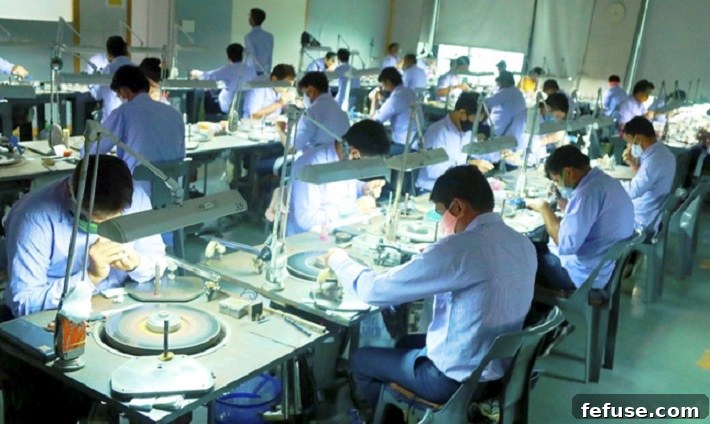
The heart of the global diamond polishing industry, Surat, India, has witnessed its diamond factories finally spring back to life. After an unprecedented 36-day closure for the traditional Diwali festivities, manufacturing units in the bustling “Diamond City” reopened their doors on Monday, November 27. This extended break, significantly longer than the customary 20 days, underscores the prevailing cautious sentiment within the global diamond market, as many units continue to operate well below their full capacity due to subdued international demand.
The prolonged shutdown, initiated earlier than usual on October 21, served as a strategic measure by manufacturers to manage accumulating inventory amidst a challenging economic landscape. While the reopening signals a gradual return to normalcy, industry leaders remain vigilant, closely monitoring market indicators for signs of sustained recovery. The resumption of operations is a pivotal moment for Surat, a city that processes an astonishing 90% of the world’s rough diamonds, impacting thousands of livelihoods and contributing significantly to India’s export economy.
The Unprecedented Diwali Break and Its Implications
Diwali, the festival of lights, traditionally marks a period of rest and rejuvenation for the diamond industry in Surat. However, the closure this year was anything but typical. Extending from the usual two to three weeks to an arduous 36 days, from October 21 to November 27, the decision reflected deeper structural challenges. This move was not merely a holiday but a calculated strategy to address the glut of polished diamonds in the market and to prevent further price erosion. Manufacturers found themselves grappling with high inventories and a significant mismatch between rough diamond prices and the softening prices of polished diamonds.
The economic ramifications of such an extended break are profound. Thousands of “karigars” (diamond artisans) and their families faced income uncertainty, leading to concerns about the local economy, which heavily relies on the diamond sector. Small and medium-sized enterprises (SMEs) supporting the industry, from logistics to ancillary services, also felt the pinch. This period of inactivity, while necessary for market correction, highlighted the vulnerability of the industry to global economic fluctuations and consumer spending habits in key markets like the United States, China, and Europe.
Surat: The Epicenter of the Global Diamond Trade
Surat’s journey to becoming the undisputed “Diamond City” is a testament to its skilled workforce, entrepreneurial spirit, and robust infrastructure. For centuries, this city in Gujarat has honed the art of diamond cutting and polishing, transforming raw stones into sparkling gems. Its intricate network of factories, large and small, employs over a million people, making it a cornerstone of India’s manufacturing prowess and a vital contributor to its foreign exchange earnings.
The ecosystem in Surat is comprehensive, encompassing everything from initial sorting and laser cutting to intricate polishing and final certification. The recent inauguration of the Surat Diamond Bourse (SDB) further solidifies its position, providing a state-of-the-art trading hub that aims to centralize diamond commerce and attract international buyers directly to Surat. This sophisticated infrastructure, combined with generations of inherited expertise, makes Surat indispensable to the global gem and jewelry supply chain.
Navigating the Headwinds: Challenges Facing the Diamond Sector
The global diamond industry has been contending with a confluence of challenges that contributed to the need for the extended Diwali shutdown. Understanding these headwinds is crucial to appreciating the current cautious optimism surrounding the reopening:
- Global Economic Slowdown: High inflation, rising interest rates, and geopolitical uncertainties have significantly dampened consumer confidence and discretionary spending, particularly in crucial markets for luxury goods like diamonds.
- Inventory Overhang: A build-up of polished diamond inventory across the supply chain put immense pressure on prices, eroding manufacturers’ profit margins. The traditional demand-supply equilibrium was severely disrupted.
- Rough Diamond Price Volatility: Miners had maintained relatively high rough diamond prices even as polished diamond prices softened, squeezing manufacturers who faced higher input costs with lower output value.
- Competition from Lab-Grown Diamonds (LGDs): The rapid growth of the lab-grown diamond sector presents a significant challenge. LGDs offer a more affordable alternative, capturing a growing share of the market, particularly among younger consumers and for fashion jewelry, thereby intensifying price competition for natural diamonds.
- Changing Consumer Preferences: Evolving consumer values, with increasing emphasis on sustainability, ethical sourcing, and transparency, require the natural diamond industry to adapt its messaging and practices.
These multifaceted issues have necessitated a period of adjustment and introspection for the Surat diamond industry, prompting strategic decisions like the prolonged holiday to stabilize the market.
Signs of Revival: A Cautious Optimism Takes Root
Despite the lingering challenges, there are tangible signs of a tentative recovery and growing optimism within the Surat diamond community. Jagdish Khunt, president of the Surat Diamond Association, shared encouraging insights, stating, “There is a momentum found in the market as diamond factory owners have started receiving orders from Mumbai traders.” This influx of orders, particularly from Mumbai—India’s primary diamond trading hub—is a crucial indicator of renewed wholesale activity and confidence.
The reopening is planned in a phased manner, reflecting a cautious yet progressive approach. Khunt elaborated on this timeline: “Till November 30, over 50 per cent of the factories of natural diamonds will open, and by the end of the first week of December, almost all the diamond factories will start functioning.” This phased return to full operational capacity is designed to align with improving demand, preventing a sudden oversupply and allowing for a more stable market recovery.
The optimism is also fueled by expectations of increased consumer spending during the upcoming festive season globally, including Christmas and New Year. These periods traditionally drive jewelry sales, offering a much-needed boost to the industry. Furthermore, reports of reduced rough diamond purchases by manufacturers in recent months suggest that inventories are slowly being drawn down, creating space for fresh demand and potentially stabilizing prices.
Strategies for Future Resilience and Growth
To ensure long-term stability and growth, the Surat diamond industry is actively exploring and implementing various strategies:
- Market Diversification: Reducing over-reliance on a few key markets by exploring emerging economies and expanding reach into new geographical areas.
- Value Addition and Innovation: Focusing on unique cuts, sophisticated designs, and specialized finishing to differentiate natural diamonds and enhance their perceived value.
- Technological Integration: Adopting advanced technologies in cutting, polishing, and sorting to improve efficiency, reduce waste, and enhance precision. Automation and AI are increasingly being explored.
- Enhanced Marketing and Branding: Investing in campaigns that highlight the rarity, timelessness, and emotional significance of natural diamonds, distinguishing them from lab-grown alternatives. Emphasis on ethical sourcing and responsible practices is key.
- Supply Chain Optimization: Working collaboratively with rough diamond miners to ensure a more balanced pricing structure that supports sustainable manufacturing margins.
These proactive measures aim not only to navigate the current downturn but also to fortify Surat’s position as a resilient and forward-thinking leader in the global diamond industry.
The Human Spirit of Surat: Resilience of the Workforce
At the core of Surat’s diamond success lies its dedicated workforce. The “karigars” – the skilled artisans who bring diamonds to life – represent generations of expertise and unwavering commitment. The extended Diwali break, while economically challenging, also highlighted the resilience and adaptability of these workers and the strong community bonds within Surat. Many returned to their hometowns during the break, only to stream back into the city with the news of factory reopenings, eager to resume their craft.
The industry’s ability to bounce back from such periods of slowdown is largely attributed to this human element – the sheer tenacity and skill of its people. As factories gradually ramp up production, the focus remains on ensuring sustainable employment and welfare for these invaluable artisans, who are the true backbone of Surat’s diamond legacy.
Conclusion: A Path Forward with Cautious Hope
The reopening of diamond factories in Surat marks a critical juncture for the global diamond industry. While the extended Diwali closure underscored the severe impact of declining global demand and economic headwinds, the phased resumption of operations is a testament to the industry’s resilience and its determination to adapt. The encouraging words from the Surat Diamond Association president, signaling renewed market momentum and incoming orders, provide a much-needed ray of hope.
Surat’s role as the world’s primary diamond processing hub is irreplaceable, and its ability to innovate and respond to market dynamics will continue to shape the future of the gem and jewelry sector. As the city slowly regains its sparkle, the path ahead will undoubtedly require continued prudence, strategic adaptation, and a collective effort to stimulate consumer demand for natural diamonds worldwide. The coming months will be crucial in determining the pace and strength of this recovery, as Surat once again strives to lead the global diamond market towards a brighter, more stable future.