
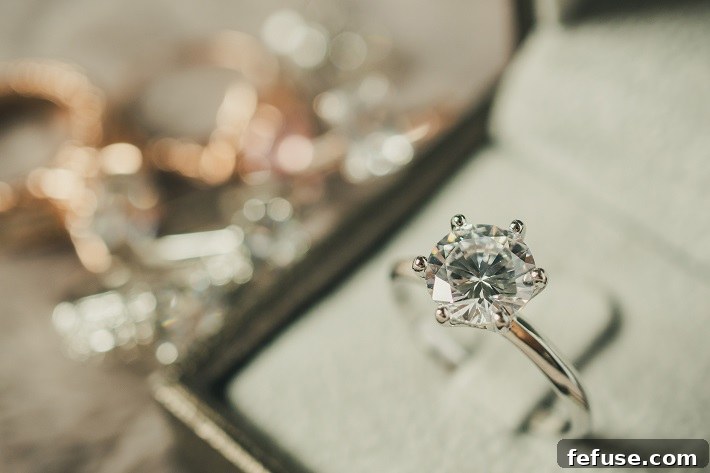
Finding the Perfect Engagement Ring on a Budget: Your Comprehensive Guide to Smart Shopping
An engagement ring symbolizes one of life’s most profound commitments – a public declaration of love and the promise of a shared future. Traditionally, it’s a significant purchase, but navigating the options and price points can feel overwhelming. While there are no rigid rules dictating how much you should spend, the pressure to find a “perfect” ring often collides with modern financial realities. The good news is that expressing your love doesn’t require overspending. This comprehensive guide will equip you with the knowledge and strategies to find an exquisite engagement ring that perfectly matches your partner’s style, your values, and your budget.
The Evolving Landscape of Engagement Ring Budgets
For decades, a popular, albeit often misleading, guideline suggested spending at least two months’ salary on an engagement ring. This “rule of thumb” was largely popularized by diamond marketing campaigns in the mid-20th century. In today’s economic climate, with rising mortgage values, persistent student loan debts, and increased living costs, adhering strictly to such an arbitrary benchmark can be financially impractical and even detrimental to your long-term financial health. Trying to meet this expectation can easily disrupt meticulously planned annual budgets and lead to unnecessary financial strain.
The modern approach recognizes that love is not measured by carat weight or price tag. Instead, the focus has shifted towards thoughtful spending, finding value, and making choices that genuinely reflect the couple’s priorities and financial comfort. Just like any other significant purchase, you can absolutely find a stunning ring that aligns with your aesthetic and financial needs without compromising on quality or sentiment. The key lies in informed decision-making and strategic shopping.
Your Step-by-Step Guide to Smart Engagement Ring Shopping
1. Define Your Financial Limits: Setting a Realistic Engagement Ring Budget
The very first and arguably most crucial step in your engagement ring journey is to conduct an honest assessment of your financial capacity. Before you even begin browsing, take a close look at your savings, disposable income, and upcoming financial obligations. Many still cling to the outdated “two-month-salary” rule, but it’s vital to acknowledge that this isn’t feasible or desirable for everyone. Avoid succumbing to societal pressures or peer expectations that might push you towards a purchase beyond your means. Instead, be realistic and pragmatic about what you can comfortably afford.
Establishing a clear budget from the outset is a protective measure. It prevents you from getting carried away in the emotional excitement of ring shopping, a state where it’s easy to lose sight of financial constraints. By clearly defining your financial limits, you ensure that you focus your search within a specific price range, making the selection process more manageable and less stressful. This proactive approach will help you avoid buyer’s remorse, unnecessary frustrations, and the potential for future financial strain, allowing you to cherish your engagement ring without regret.
2. Selecting the Ideal Metal: Balancing Durability and Cost
Engagement rings are crafted from a variety of precious metals, each offering distinct aesthetics, durability, and price points. Understanding these differences can significantly impact your budget without sacrificing beauty. Metals like platinum and gold (in its various forms: yellow, white, rose) are traditionally considered premium choices. Platinum, known for its exceptional durability, natural white luster, and hypoallergenic properties, is often the most expensive option. Gold, while slightly less dense than platinum, offers versatility in color. Pure gold is too soft for everyday wear, so it’s alloyed with other metals to create 18K or 14K gold, which balances durability with gold content.
White gold, for instance, achieves its silvery appearance by alloying yellow gold with white metals and is typically rhodium-plated for a brighter finish, requiring re-plating every few years. Rose gold, a blend of gold and copper, is a popular, trendy choice that often comes at a more accessible price point than platinum or white gold due to the copper content. For those seeking a balance of quality and affordability, MDTdesign Engagement Rings offers a curated selection of rings in various metals to match your preferences and budget. Other popular and more budget-friendly options for settings include sterling silver, though it’s softer and prone to tarnishing, making it less ideal for a daily-wear engagement ring.
3. Navigating the Diamond World: Natural vs. Lab-Grown Diamonds
One of the most significant advancements in the jewelry industry, offering immense flexibility for budget-conscious buyers, is the advent of lab-grown diamonds. Historically, natural diamonds, formed deep within the Earth over billions of years, were the only option. Their rarity, natural origin, and unique inclusions contribute to their traditional value and higher price point. However, modern technology has made it possible to create diamonds in a controlled laboratory environment.
Lab-grown diamonds possess the identical chemical, physical, and optical properties as their mined counterparts. They are real diamonds, not simulants like cubic zirconia or moissanite. The key difference lies in their origin. Lab-grown diamonds are often significantly cheaper – sometimes 30-50% less – than natural diamonds of comparable quality and size. Furthermore, many consumers appreciate lab-grown diamonds for their ethical sourcing and lower environmental impact. They are also frequently purer, with fewer inclusions, due to the controlled growth process. This makes them an increasingly popular and smart choice for couples who prioritize value, ethics, or simply getting more sparkle for their money. Reputable online retailers, such as Ritani, offer a wide selection of lab diamonds, making it easier to research and compare options. Making an informed decision between natural and lab-grown diamonds depends largely on your personal values, preferences, and budget.
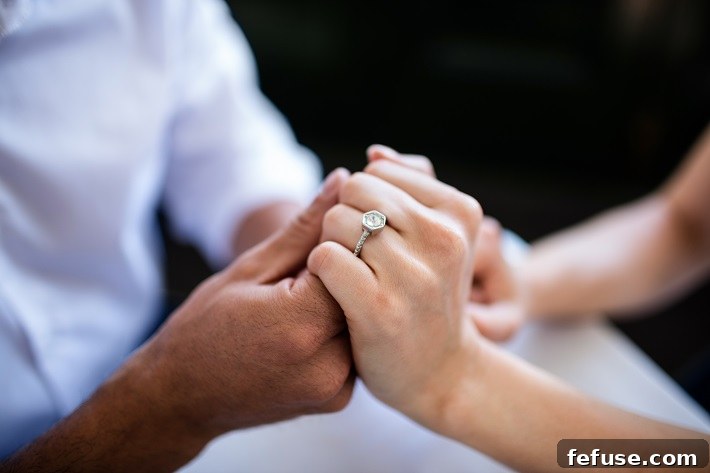
4. Understanding Diamond Clarity and the “4 Cs” for Value
When it comes to purchasing a diamond, understanding the “4 Cs” – Cut, Color, Clarity, and Carat – is absolutely essential. These four factors collectively determine a diamond’s quality and, consequently, its price. While all are important, knowing which ones to prioritize or compromise on can lead to significant savings. The “Cut” is often considered the most crucial C, as it dictates how well a diamond reflects light and, therefore, its brilliance and sparkle. It’s generally advisable not to compromise too much on a diamond’s cut, as a well-cut diamond can make even a smaller or less clear stone appear more vibrant.
“Clarity” refers to the absence of inclusions (internal flaws) and blemishes (external imperfections). Diamond clarity is graded on a scale from Flawless (FL) to Included (I1, I2, I3). The highest grades, such as Flawless (FL), Internally Flawless (IF), and Very Very Slightly Included (VVS1 & VVS2), are exceedingly rare and thus very expensive. While these diamonds are technically perfect, inclusions in lower grades like Very Slightly Included (VS1 & VS2) or even Slightly Included (SI1 & SI2) are often not visible to the naked eye. Opting for an “eye-clean” diamond in the VS or SI range can provide the same visual appeal as a flawless diamond but at a substantially lower cost, leaving a lot less of a dent in your wallet.
“Color” refers to the diamond’s tint, ranging from D (colorless) to Z (light yellow or brown). D, E, and F are considered colorless and are the most expensive. However, diamonds in the G, H, or I range often appear colorless, especially when set in white gold or platinum, and can offer excellent value. “Carat” refers to the diamond’s weight. Instead of aiming for exact whole numbers (like 1.00 carat), consider diamonds that are “just under” a full carat, such as 0.90 or 0.95 carats. Visually, the difference is negligible, but the price drop can be significant due to market pricing psychology. By prioritizing cut and strategically compromising on clarity and color, you can acquire a beautiful and brilliant diamond without overspending. It’s also wise to discuss these preferences with your partner, if possible, to ensure the final choice resonates with their desires. If you’re concerned about authenticity, there are diamond test instruments available to help verify the properties of the stone you plan to purchase.

5. Considering Shared Investment: The Growing Trend of Joint Purchases
While the tradition of a surprise proposal is deeply ingrained, modern relationships often lean towards more collaborative decision-making, even when it comes to the engagement ring. There are instances where finding a diamond that perfectly meets your partner’s desires and remains within your budget can be incredibly challenging. In such situations, enlisting the help of your partner can be an invaluable solution. A growing trend, with some surveys indicating that nearly 9% of couples are now purchasing their engagement rings together, reflects a shift towards practicality and partnership.
As one of the most significant purchases and symbols of your life together, sharing the cost of the engagement ring can alleviate financial pressure on one individual and ensure that the ring truly reflects both your tastes and financial realities. This collaborative approach fosters open communication and mutual understanding from the very beginning of your journey towards marriage. By sharing the financial burden, neither partner feels an excessive pinch, allowing you both to start your engagement period feeling secure and excited about your future, rather than stressed about a large expenditure.
6. Leveraging Online Resources: The Power of Digital Shopping
In today’s digital age, the internet has become an indispensable tool for almost every purchase, and engagement rings are no exception. Shopping for an engagement ring online offers a plethora of advantages that traditional brick-and-mortar stores often cannot match. Firstly, it can save you considerable time and money. Online retailers typically have lower overhead costs, which often translates to more competitive pricing compared to physical stores. Secondly, the online market provides an unparalleled range of options. You can browse thousands of diamonds and settings from various vendors across the globe, all from the comfort of your home. This extensive selection allows you to compare prices, styles, and quality with ease, jumping from one “store” to another with just a click.
Beyond convenience and selection, online platforms are also ideal for detailed research. Many reputable online jewelers provide comprehensive information about each stone, including high-resolution 360-degree videos, detailed certification reports (from GIA, IGI, or AGS), and educational content about the 4 Cs. This transparency empowers you to make a highly informed decision. If you’re new to diamond buying, online shopping also offers an excellent opportunity to educate yourself thoroughly. As you explore products from different brands and learn new terminology, you can simultaneously conduct further research online to deepen your understanding and ensure you’re making the best choice. Resources like Forbes’ guide to buying engagement rings online can provide additional insights and tips for a successful digital shopping experience.
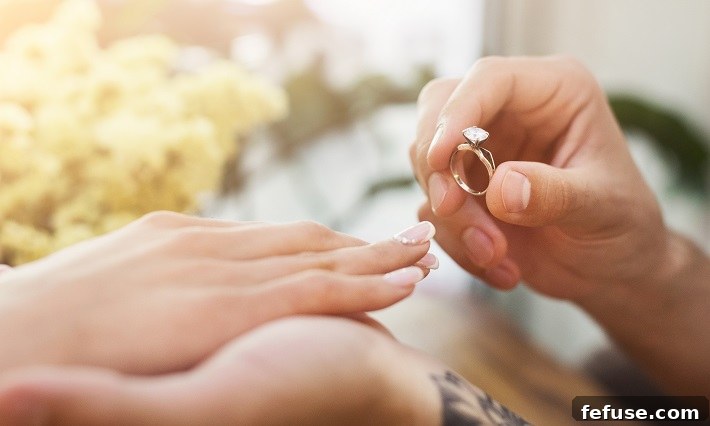
Beyond the Ring: The True Value of Your Commitment
Ultimately, an engagement ring is a beautiful and enduring symbol of your commitment, but it is the love, respect, and partnership you share that truly define your relationship. While the quest for the perfect ring can be an exciting part of the journey, it’s essential to remember that its value is not solely measured by its monetary cost. A thoughtful choice, made within a comfortable budget, holds far more significance than an extravagant purchase that leads to financial strain.
Embrace the opportunity to make smart, informed decisions that reflect your shared values and financial wisdom. The process of choosing an engagement ring should be a joyful expression of your impending union, not a source of stress or anxiety. By focusing on authenticity, quality, and your unique preferences, you can find a ring that sparkles with both beauty and genuine sentiment, laying a strong foundation for your future together.
Conclusion
The prospect of finding an engagement ring can feel daunting, especially if you’re new to fine jewelry or working with a specific budget. However, it doesn’t have to be an overwhelming challenge. By approaching the task strategically and armed with the right information, you can navigate the market with confidence and find a ring that is both stunning and financially sensible. Key factors to consider include an honest assessment of your financial capacity, understanding the various types of metals, and discerning between natural and lab-grown diamonds. The 4 Cs of diamonds—cut, color, clarity, and carat—are crucial for informed decision-making, with opportunities to save by making smart compromises. Remember that sharing the cost with your partner is an increasingly common and practical approach, and leveraging the vast resources of the online market can open up a world of options and competitive pricing. The insights provided in this guide aim to empower you to make an informed decision, ensuring your engagement ring is a beautiful and meaningful symbol of your enduring love story.
References
- “Choosing The Right Metal For Engagement Rings”, Source: https://marketbusinessnews.com/choosing-the-right-metal-for-engagement-rings/291062/
- “Diamond Clarity Chart & Ratings – Best Clarity for Diamonds”, Source: https://www.ringspo.com/diamond-clarity/
- “Is There a Difference Between Natural and Laboratory-Grown Diamonds?”, Souce: https://www.gia.edu/gia-news-research/difference-between-natural-laboratory-grown-diamonds
- “Engagement Ring Survey 2022”, Source: https://www.ringspo.com/engagement-ring-survey/