
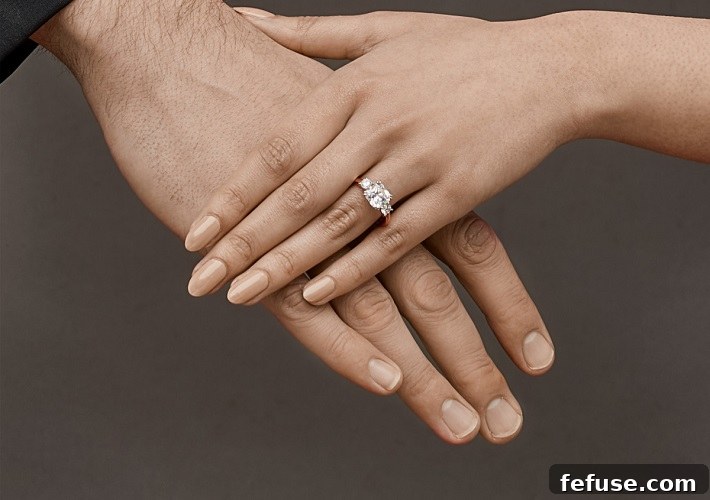
UK Engagement Ring Trends: The Rise of Personal Choice and Placeholder Rings Revealed by Buckley London Study
The landscape of matrimonial traditions in the United Kingdom is undergoing a subtle yet significant transformation, particularly when it comes to the cherished symbol of commitment: the engagement ring. A groundbreaking new study conducted by renowned fashion jewelry brand, Buckley London, has shed considerable light on evolving consumer preferences, revealing a palpable shift towards greater personal involvement in this monumental purchase. While the romantic ideal of a surprise proposal with a perfectly chosen ring still holds sway for many, a growing cohort of Brits are now expressing a strong desire to have a direct say in the selection of the ring they will proudly wear for a lifetime. This comprehensive research, which surveyed UK-based adults currently in a committed relationship, offers invaluable insights into the hearts and minds of prospective fiancés and fiancées across the nation, highlighting an intriguing blend of tradition, practicality, and personal expression.
The Evolving Landscape of Engagement Ring Choice
Historically, the act of choosing an engagement ring has been predominantly a solitary endeavor for the proposer, a secret mission culminating in a grand reveal. Buckley London’s findings affirm that this tradition remains robust, with a substantial 64% of Brits still expressing a preference for their partner to independently select their engagement ring. This statistic underscores the enduring appeal of the classic, romantic gesture, where trust in a partner’s taste and the thrill of the unexpected remain paramount. However, the study also unveils a compelling counter-narrative: a significant 36% of individuals in relationships now wish to share the responsibility and actively participate in the selection process. This burgeoning interest in collaborative decision-making signifies a broader societal trend towards more egalitarian relationships and a recognition of the engagement ring as a profound personal statement. For many, the ring is not merely a beautiful piece of jewelry; it is an extension of their identity, a daily reminder of their unique bond, and a substantial investment. Therefore, the desire to ensure it perfectly aligns with one’s aesthetic, lifestyle, and values is becoming increasingly prevalent. This shift is not about diminishing the romance but rather enhancing the longevity and personal significance of the chosen piece, making it truly ‘forever’ in every sense.
The Rise of the Placeholder Ring: A Modern Solution
Perhaps one of the most intriguing revelations from the Buckley London survey is the widespread acceptance and even enthusiasm for the concept of a ‘placeholder’ engagement ring. This innovative approach allows couples to circumvent the potential pitfalls of a mismatched ring while preserving the essential element of surprise during the proposal. The study found that a considerable number of Brits are perfectly content for their partner to ‘pop the question’ with a temporary, symbolic ring, with the understanding that the ‘forever’ ring will be chosen collaboratively at a later, more relaxed stage. Participants even provided a clear indication of their expectations for such a temporary token, quoting an average desirable spend of £400 on a placeholder piece. This trend reflects a pragmatic yet deeply romantic approach to proposals, acknowledging the emotional and financial weight associated with selecting the final ring. A placeholder ring serves as a beautiful initial gesture of commitment, allowing the joyous moment of the proposal to remain spontaneous and heartfelt, while deferring the significant decision of the ultimate ring to a joint venture. This not only alleviates immense pressure on the proposer to guess correctly but also empowers the recipient to contribute meaningfully to a purchase they will cherish for decades, ensuring ultimate satisfaction and proactively avoiding potential future disappointment.
Regional Nuances: The London Perspective on Engagement Ring Choice
While the appetite for placeholder rings is notable nationwide, the Buckley London research highlights a particularly strong sentiment within the capital. Nearly half of all respondents in London, a remarkable 46%, expressed a distinct preference for a placeholder ring. This heightened inclination among Londoners could be attributed to several factors characteristic of a major global city. As a global fashion hub, London residents are often at the forefront of emerging trends and possess a keen awareness of personal style and individuality. The city’s diverse and dynamic cultural landscape might also foster a greater emphasis on bespoke experiences and highly personalized choices across all consumer goods. Furthermore, the higher cost of living and potentially more discerning tastes prevalent within an urban environment could lead couples to approach significant purchases like engagement rings with a more considered, practical, and design-focused mindset. For Londoners, where trends evolve rapidly and personal expression is highly valued, the flexibility and assurance offered by a placeholder ring likely resonates deeply, allowing them to make a well-informed and stylish choice without compromising the surprise and romance of the proposal itself. It underscores a sophisticated consumer base that values both time-honored tradition and modern adaptability.
Voicing Disappointment: A Noteworthy Gender Divide in Feedback
The study ventured into the sensitive territory of post-proposal feedback, revealing stark differences in how men and women approach voicing dissatisfaction with their chosen engagement ring. A striking nearly two-thirds (65%) of women surveyed unequivocally stated they would not hesitate to tell their partner if they disliked the engagement ring they were proposed with. This statistic speaks volumes about the importance women place on this symbol and their comfort in communicating their true feelings within a committed relationship. For many women, the engagement ring is more than just jewelry; it’s a profound personal statement, a daily affirmation of their future, and an intrinsic part of their personal aesthetic, making it imperative that it aligns with their taste and preferences. In stark contrast, a mere 33% of men reported they would be brave enough to voice their dissatisfaction to their significant other if they were unhappy with the ring. This notable gender disparity suggests that men might feel more pressure to accept a gift gracefully, potentially fearing to hurt their partner’s feelings or appearing ungrateful. It also highlights differing societal expectations regarding emotional expression in relationships, with women generally being more encouraged to articulate their feelings openly. This crucial finding emphasizes the critical role of open communication in pre-engagement discussions or, alternatively, the immense value of the placeholder ring option to mitigate such potentially awkward and emotionally charged scenarios.
Expert Commentary and Industry Insights from Adrian Buckley
Adrian Buckley, the visionary founder of Buckley London, offered insightful commentary on these compelling findings, acknowledging the shifting tides in consumer behavior. “At Buckley London, we are always keen to observe what new and emerging trends are shaping the jewelry landscape and consumer desires,” Mr. Buckley stated. “We found it particularly interesting and significant to witness such a marked rise in Brits wanting a placeholder ring, precisely so they can be an integral part of the decision-making process for their ultimate, forever engagement ring.” His observations underscore a growing recognition within the jewelry industry that the traditional one-size-fits-all approach to engagement ring selection is steadily giving way to a more personalized and collaborative model. Mr. Buckley further elaborated on the potential longevity of this trend, confidently asserting, “We believe this trend will undoubtedly prosper, largely due to the research revealing that a significant proportion of women would also feel entirely comfortable airing their disappointment if they weren’t truly happy with the forever engagement ring their partner proposed with.” This candid assessment from an industry leader highlights the undeniable necessity for jewelers and partners alike to adapt to these evolving expectations. The implication for the jewelry industry is clear: retailers must embrace customization, offer consultation services that thoughtfully involve both partners, and perhaps even introduce dedicated placeholder ring collections to cater effectively to this growing and informed demand. The future of engagement ring sales will likely be characterized by greater transparency, collaboration, and an unwavering focus on ensuring complete customer satisfaction.
Implications for Couples and the Modern Jewelry Industry
These insights from the Buckley London study carry profound implications for both couples embarking on the journey to marriage and for the jewelry industry itself. For couples, the findings underscore the immense value of open and honest communication long before a proposal even takes place. While preserving the element of surprise is a beautiful sentiment, a gentle conversation about preferences, styles, and even the possibility of a placeholder ring can prevent future awkwardness or profound disappointment. Sharing Pinterest boards, subtly pointing out preferred styles, or even browsing together ‘just for fun’ can be incredibly beneficial. It transforms the ring selection from a potential minefield into another exciting, shared experience in the relationship. For the jewelry industry, these trends signal a crucial need for strategic adaptation and innovation. Retailers who lean into these evolving preferences, offering bespoke design services, transparent consultation processes, and a diverse range of placeholder ring options, are likely to thrive. Emphasizing the journey of co-creation rather than just the final product can foster deeper connections with customers. The industry must recognize that the modern couple desires involvement, authenticity, and a true reflection of their unique bond, viewing the engagement ring not just as a purchase but as a collaborative symbol of their unique union.
The Enduring Symbolism of the Engagement Ring in a Changing World
Despite the observable shifts in how engagement rings are chosen and presented, their fundamental symbolism remains immutable. The ring continues to be a powerful, timeless emblem of love, commitment, fidelity, and the promise of a shared future. Whether selected by one partner in secret, chosen collaboratively, or initially represented by a temporary placeholder, its core meaning transcends the specific method of acquisition. It marks a momentous milestone, signifying the joyous transition from dating to a lifelong partnership. The increasing desire for personal input in the ring’s selection doesn’t diminish its romance or significance; rather, it elevates it by ensuring the chosen piece is deeply meaningful and perfectly suited to the individual who will wear it daily, celebrating their personal style and the couple’s shared journey. This evolution simply refines the process, allowing the modern couple to embrace cherished tradition while injecting their contemporary values and preferences into one of life’s most significant and beautiful gestures. The true beauty lies in the intention, the profound love, and the unwavering promise behind the ring, regardless of how it ultimately finds its way onto a finger.
Conclusion: A New Era for Engagement Rings in the UK
In summary, the Buckley London study paints a fascinating and insightful picture of the modern engagement ring landscape in the UK. While the romantic allure of a surprise proposal endures for many, there’s an undeniable surge in demand for shared decision-making, evidenced by the 36% seeking input and the significant, growing interest in placeholder rings. This trend, particularly pronounced in dynamic urban centers like London, reflects a broader societal shift towards greater personal agency, transparency, and open communication within relationships. As Adrian Buckley rightly points out, this move towards collaboration and the practicality of placeholder rings is set to prosper, driven by a clear and understandable desire among recipients to be genuinely content with their ‘forever’ ring – a piece they will wear as a constant reminder of their love. Ultimately, these findings empower couples to approach the engagement process with greater honesty, partnership, and mutual understanding, ensuring that the chosen symbol of their love is not only stunning but also a true and authentic reflection of their shared journey and individual style. The future of engagement rings is not about losing cherished tradition, but about enriching it with modern sensibilities, making the journey to ‘I do’ even more personal, meaningful, and perfectly tailored.
Source: Professional Jeweller