
The World Federation of Diamond Bourses: Charting a Course for a Resilient and Transparent Diamond Industry
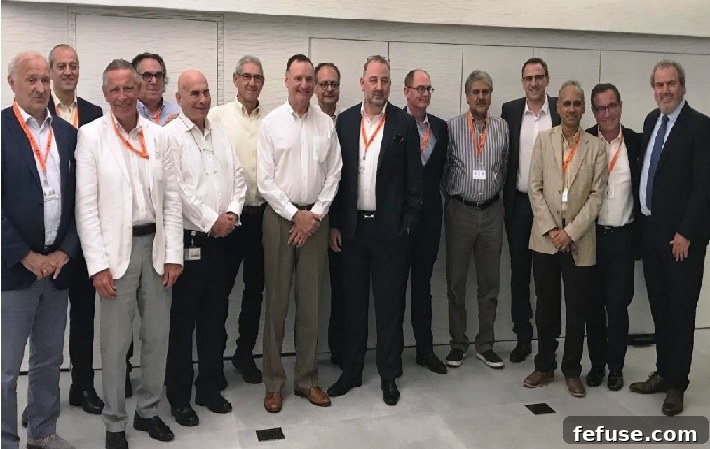
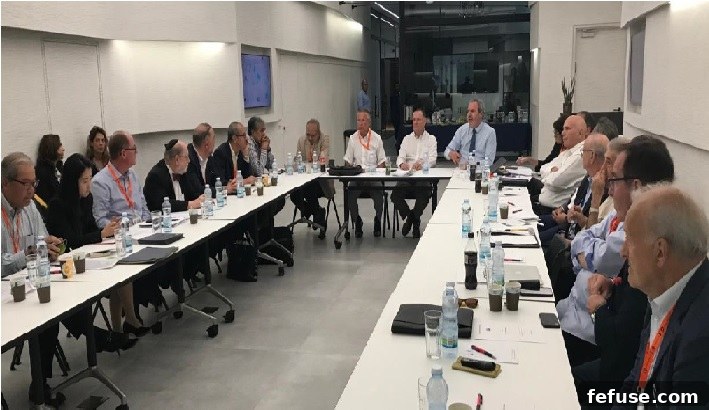
In a testament to its unwavering commitment to the integrity and prosperity of the global diamond industry, the World Federation of Diamond Bourses (WFDB) convened a crucial Executive Committee Meeting at the prestigious Israel Diamond Exchange. This gathering brought together influential leaders and experts from across the world to deliberate on a diverse array of subjects deemed vital for the industry’s sustained growth and to strategize on initiatives aimed at bolstering the organization’s relevance in an ever-evolving landscape. The meeting underscored the WFDB’s proactive approach to confronting challenges and embracing opportunities, ensuring the diamond trade remains robust, transparent, and trusted by consumers worldwide.
Navigating Modern Challenges: Insights from Industry Visionaries
A cornerstone of the Executive Committee’s agenda involved comprehensive reviews and forward-looking presentations from key industry figures. Esteemed analyst Martin Rapaport delivered an insightful overview of the burgeoning presence of synthetic diamonds and a detailed assessment of the global diamond trade’s current state. His address provided invaluable context for the committee’s discussions, highlighting both the opportunities and the complexities inherent in the contemporary market. Complementing this, a compelling presentation on Blockchain technology captured significant attention, with the committee recognizing its profound potential as a transformative tool for the industry’s future.
The Rise of Lab-Grown Diamonds and Market Differentiation
Martin Rapaport’s address meticulously dissected the growing role of lab-grown diamonds (LGDs) within the market. He passionately emphasized the critical need for the natural diamond trade to educate consumers about the fundamental difference between natural diamonds, which represent billions of years of geological formation and hold intrinsic value, and their lab-created counterparts. Rapaport articulated that while lab-grown diamonds offer an attractive alternative for fashion and personal adornment due their accessibility and price point, they fundamentally lack the inherent investment and store-of-value characteristics associated with natural diamonds. He projected that, in time, the price trajectory of lab-grown diamonds would likely experience substantial declines, a stark contrast to the enduring value proposition of natural diamonds. This distinction is paramount for maintaining consumer confidence in the unique heritage and rarity of natural stones.
Global Market Dynamics and Evolving Consumer Behavior
Beyond the discussion on LGDs, Rapaport provided a nuanced analysis of key global diamond markets. He characterized the Chinese market as ‘reasonable,’ indicating a steady, albeit cautious, recovery and growth potential, driven by an expanding middle class and evolving luxury consumption patterns. In contrast, the US market was described as ‘strong,’ reaffirming its position as a traditional powerhouse for diamond sales, particularly within the bridal sector. However, Rapaport also shed light on critical challenges, noting the inherent difficulty in engaging and selling to Millennials and younger generations, whose purchasing priorities and values often differ from those of previous demographics. He pointed out that while the US market overall was strong, the core engagement ring sector, a traditional pillar of demand, was not performing with exceptional vigor. This suggests a need for innovative marketing strategies and product offerings tailored to modern consumer preferences.
Furthermore, the WFDB Executive Committee acknowledged Rapaport’s concerns regarding the extreme pressure faced by the midstream segment of the diamond pipeline. This crucial sector, encompassing cutters, polishers, and dealers, often grapples with challenges such as financing constraints, fluctuating rough diamond prices, and compressed profit margins. The discussions underscored the imperative for enhanced efficiency, financial prudence, and collaborative strategies across the supply chain to alleviate these pressures and ensure the health of the entire ecosystem. Rapaport also raised other pressing issues for thorough discussion, including the critical need for increased transparency across the entire supply chain and robust verification of the origin of supply. These elements are increasingly non-negotiable for ethically-conscious consumers and are vital for safeguarding the reputation of natural diamonds.
Embracing Innovation: Blockchain Technology for Diamond Traceability
The presentation on Blockchain technology was a significant highlight, positioning it as an indispensable tool for the diamond industry’s future. The Executive Committee recognized that blockchain offers an unprecedented level of transparency and immutability, capable of revolutionizing how diamonds are tracked from mine to market. By creating a secure, decentralized, and tamper-proof ledger, blockchain can provide irrefutable proof of a diamond’s journey, including its origin, ownership transfers, and certifications. This capability is crucial for addressing consumer demand for ethical sourcing and combating the trade of illicit goods. Beyond traceability, blockchain holds the promise of streamlining complex supply chain processes, reducing administrative overheads, enhancing efficiency in financing, and ultimately building unparalleled consumer trust. The WFDB’s endorsement signifies a clear intent to explore and integrate such innovative solutions to reinforce the industry’s integrity and future-proof its operations.
Upholding Standards and Fostering Engagement
Among the other pivotal issues addressed was the “System of Warranties,” a crucial mechanism for ensuring the conflict-free status of diamonds, championed by London Diamond Bourse President Alan Cohen. The System of Warranties serves as a critical assurance for consumers and industry participants alike, guaranteeing that diamonds traded conform to the Kimberley Process Certification Scheme and broader ethical standards. Cohen’s leadership in this discussion highlighted the WFDB’s continuous commitment to ethical trade practices and consumer protection. Additionally, Rami Baron, President of the Diamond Dealers Club of Australia, provided an update on the WFDB’s social media campaign. This initiative underscores the federation’s dedication to modernizing its outreach, engaging new generations of consumers, and effectively communicating the inherent value, beauty, and ethical story of natural diamonds in the digital age. Such campaigns are vital for shaping public perception, educating the market, and countering misinformation.
Strengthening Leadership and Expertise: Appointment of Peter Meeus
In a strategic move to further enhance its leadership and leverage global expertise, the Executive Committee formally approved the appointment of Peter Meeus as an External Advisor. Meeus, widely respected within the diamond community and formerly the Chairman of the Dubai Diamond Exchange, brings a wealth of experience, extensive market knowledge, and an invaluable international perspective to the WFDB. His appointment reflects the federation’s proactive approach to drawing on the best minds in the industry to guide its strategic direction, navigate complex challenges, and seize emerging opportunities. This addition is expected to significantly contribute to the WFDB’s capacity for informed decision-making and its ability to advocate effectively for the interests of its members and the broader diamond trade.
Reflecting on the productive nature of the meeting, WFDB President Yoram Blom remarked, “We had an extremely productive meeting with robust debates on a wide range of topics.” He emphasized the critical importance of these discussions, especially during challenging times for the global diamond trade. Blom highlighted the value of hearing diverse perspectives from Executive Committee colleagues representing various corners of the world, all contributing to a unified vision for the industry’s future. These vital insights and strategic alignments are intended to lay the groundwork for further advancements at the upcoming Presidents Meeting scheduled to take place in Dubai in September. The discussions initiated in Israel will receive comprehensive updates and further deliberation at that significant gathering, alongside a host of other important topics shaping the industry. In closing, President Blom extended his sincere gratitude to the Israel Diamond Exchange for their exemplary generosity and hospitality in hosting the Executive Committee meeting, a sentiment echoed by all attendees.
About The World Federation of Diamond Bourses (WFDB)
The World Federation of Diamond Bourses stands as a paramount international organization within the diamond industry, boasting a membership of 30 affiliated bourses globally. Its fundamental mission is multifaceted: to vigilantly protect the interests of its affiliated bourses and their individual members, ensuring a fair and equitable trading environment. A core function of the WFDB involves fostering the amicable settlement or arbitration of disputes that may arise between individual members of the affiliated bourses, or directly between affiliated bourses themselves. This critical role underpins trust and stability, serving as a bedrock for harmonious business relations within the trade. Beyond dispute resolution, the WFDB actively participates in the promotion of world trade in diamonds, advocating for policies and practices that facilitate global commerce and economic growth. It also plays a significant role in encouraging the establishment of new diamond bourses in emerging markets, thereby expanding the global reach and influence of the organized diamond trade.
In a landmark initiative in 2012, the WFDB established The World Diamond Mark (WDM), a not-for-profit organization dedicated to enhancing consumer desirability and confidence in natural diamonds. The WDM focuses on global marketing campaigns, consumer education, and brand-building efforts to reinforce the unique emotional and intrinsic value of natural diamonds. It plays a crucial role in distinguishing natural diamonds from alternatives and ensuring that consumers understand the journey, ethical sourcing, and enduring legacy behind each stone. Through these efforts, the WFDB and the WDM aim to safeguard the perception of diamonds as ultimate symbols of love, commitment, and lasting value.
Members of affiliated bourses are bound by a solemn pledge to uphold the venerable traditions and core principles that define the diamond trade globally. These principles revolve around mutual trust, profound consideration for fellow members, and enduring friendship – values that have characterized the industry for centuries. This commitment extends beyond mere adherence; members also pledge to actively hand down these foundational principles to future generations, ensuring their perpetuation. This collective dedication guarantees that these ethical and relational tenets will forever serve as the indispensable basis for all business relations conducted between members of affiliated bourses, fostering an environment of integrity, respect, and long-term partnership that is vital for the enduring success and reputation of the global diamond industry.