
UK Jewellery Market Sees Mixed Trends as Hallmarking Figures Reveal Q2 2019 Slowdown
The discerning eye of the Assay Office Birmingham, a cornerstone of consumer protection and quality assurance in the UK jewellery industry, has unveiled its latest hallmarking statistics for the second quarter of 2019. These crucial figures offer a valuable snapshot into the health and prevailing trends within the precious metals market, revealing a slight, yet notable, 0.6% decrease in the total number of items hallmarked compared to the same period in the previous year. This marginal decline, though seemingly small, prompts a deeper examination of the forces shaping consumer demand and industry resilience in the face of evolving economic landscapes.
A total of 1,924,003 items underwent the rigorous hallmarking process, a testament to the enduring appeal and regulatory importance of precious metals in the United Kingdom. While the overall trend points towards a slight contraction, a closer look at individual metal categories reveals a more nuanced picture. Intriguingly, platinum emerged as a standout performer, bucking the downward trend experienced by its counterparts with a commendable 5.5% uplift in assayed items. This surge in platinum’s popularity warrants particular attention, suggesting potential shifts in consumer preferences or strategic market positioning. However, the month of June 2019 presented a less optimistic scenario, casting a shadow over all precious metals, as gold, silver, platinum, and palladium each recorded decreases, indicating a challenging period for the sector towards the end of the quarter.
Understanding the Significance of Hallmarking in the UK Market
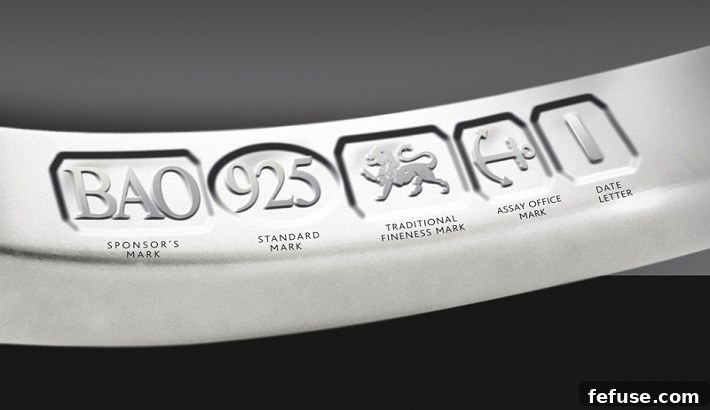
Before diving into the intricate details of the Q2 and June 2019 figures, it is essential to appreciate the fundamental role of hallmarking in the UK. Hallmarking is not merely a bureaucratic formality; it is a vital consumer protection mechanism, deeply embedded in centuries of tradition and legislative oversight. It provides an independent guarantee of the purity and fineness of precious metals, assuring buyers that their investments and cherished possessions meet specific standards. For the jewellery industry, these figures from Assay Offices like Birmingham serve as a reliable barometer of market activity, reflecting consumer confidence, manufacturing output, and the flow of precious metal goods through the supply chain. A decrease in hallmarking figures can often signal broader economic uncertainties, shifts in disposable income, or evolving fashion trends that favour alternative materials or lower-carat precious metal items.
A Deeper Dive into Q2 2019: Overall Market Performance
The overarching figure of a 0.6% decline across all items hallmarked in Q2 2019, totalling 1,924,003 items, suggests a period of consolidation for the UK jewellery market. While not a drastic downturn, it indicates a slight cooling compared to the previous year. This modest contraction could be attributed to several factors, including ongoing economic uncertainty, fluctuations in exchange rates impacting import costs, or a cautious consumer sentiment. However, the performance of individual metals paints a more complex picture than the aggregate number might suggest. The exceptional growth in platinum hallmarking during the quarter is a significant highlight, indicating that certain segments of the market or specific metals continue to thrive despite broader headwinds. This could be due to strategic marketing, a growing appreciation for platinum’s unique properties like its durability and rarity, or its association with high-value jewellery such as engagement rings and wedding bands.
Detailed Analysis: June 2019 Hallmarking Figures – A Challenging Month
While the overall Q2 figures presented a mixed bag, the individual month of June 2019 appears to have been particularly challenging for the precious metals sector. Unlike the broader Q2 trend where platinum saw growth, June witnessed a decline across all categories: gold, silver, platinum, and palladium. This uniform dip suggests a confluence of factors that may have impacted consumer spending and trade activity during that specific month. Let’s dissect the performance of each metal category for June 2019, comparing it with June 2018 figures to understand the specific shifts.
Gold Hallmarking Trends in June 2019
Gold, historically the bedrock of the jewellery market and a traditional safe-haven asset, experienced an overall decrease of 8.8% in total items hallmarked in June 2019, reaching 263,881 items. This significant decline is a key indicator for the industry, pointing towards potential caution among consumers or shifts in purchasing habits. However, the breakdown by carat weight reveals interesting internal dynamics:
- 24ct (999 parts per thousand): This highest purity gold saw an extraordinary surge, up 339.3% with 246 items hallmarked. This dramatic increase, while small in absolute numbers, suggests a niche but growing demand for investment-grade gold or very high-purity ceremonial jewellery. This trend might reflect a desire for tangible assets during uncertain times, or specialized artisanal demand.
- 24ct (990 parts per thousand): Remained neutral with 0 items, indicating a consistent lack of market activity for this specific purity.
- 22ct (916 parts per thousand): Experienced a notable dip, down 11.9% to 32,248 items. Often favored in specific cultural jewellery markets, this decline could signal reduced demand within those segments or a shift towards lower carats for cost-effectiveness.
- 18ct (750 parts per thousand): A popular choice for high-end fashion and engagement jewellery, 18ct gold saw a decrease of 9.8% to 61,177 items. This suggests a potential softening in the luxury and premium segments of the gold jewellery market, possibly influenced by economic prudence among higher-spending consumers.
- 14ct (585 parts per thousand): Showed a relatively modest decline of 1.5% to 11,791 items. Often positioned as an accessible luxury, this smaller reduction might indicate its relative resilience compared to higher carats.
- 9ct (375 parts per thousand): The most common entry-level gold for mainstream jewellery in the UK, 9ct gold recorded an 8.4% decrease to 158,419 items. This significant drop in the volume leader could reflect a broader cautiousness among general consumers, perhaps opting for less expensive materials or postponing jewellery purchases.
The mixed performance within gold, particularly the stark contrast between the surge in 24ct and the decline in lower carats, points to a bifurcated market. High-purity gold may be seen as an investment, while everyday jewellery demand faced headwinds.
Silver: A Mixed Performance in June 2019
The silver market presented a fascinating blend of highs and lows in June 2019, ultimately registering a neutral overall change with 297,156 items hallmarked. This stability, however, masks considerable volatility within its various finenesses:
- Fine Silver (999 parts per thousand): Saw a considerable decrease, down 21.0% to 1,264 items. This pure form of silver, often used for investment or specialized artisan work, experienced a downturn, possibly mirroring fluctuations in industrial demand or investment sentiment.
- Britannia Silver (958 parts per thousand): Emerged as a spectacular success story, skyrocketing up 386.3% to 3,662 items. This dramatic increase, while on a smaller base, highlights a burgeoning interest in this specific silver alloy. Britannia silver is often prized by artisans for its higher purity than sterling, offering a lustrous finish, and its growth could indicate a revival in fine silver craftsmanship or collectible items.
- Sterling Silver (925 parts per thousand): The perennial favourite for mainstream jewellery, sterling silver demonstrated remarkable resilience, recording a slight increase of 0.9% to 292,206 items. This near-neutral performance for the vast majority of silver items suggests that its affordability and versatility continue to sustain demand, making it a robust segment even when other precious metals falter.
- 800 parts silver: Witnessed a strong boost, up 100% to 24 items. Although a very small quantity, this indicates specific niche demand for this fineness, which is less common in the UK but used in some international markets.
The silver figures suggest a dynamic market, with a strong performance from sterling silver underpinning overall stability, while Britannia silver’s surge points to specific artisanal or collectible market strength. This contrasts with fine silver’s decline, showing differing consumer motivations across purity levels.
Platinum: The Q2 Gainer Faces June Headwinds
While platinum was the star performer in Q2 with a 5.5% increase, the month of June 2019 told a different story. Total platinum items hallmarked recorded a decrease of 6.2% to 25,979 items. This monthly dip, after a strong quarterly performance, indicates the potential for market volatility even for metals in demand. The breakdown reveals:
- 999 parts per thousand: Showed a significant rise of 250% to 7 items. Similar to 24ct gold, this very high purity platinum, while small in volume, might be driven by highly specialized applications or investment interest.
- 950 parts per thousand: The most common fineness for platinum jewellery, saw a decrease of 6.3% to 25,927 items. This decline in its primary segment likely explains the overall monthly dip for platinum, suggesting a temporary slowdown in demand for high-end platinum jewellery.
- 900 parts per thousand: Recorded a substantial increase of 94.7% to 37 items. This fineness is less common but its growth could indicate specific niche market activities.
- 850 parts per thousand: Also saw an increase of 60% to 8 items. Similar to 900 parts, this points to very particular, perhaps industrial or highly specialized, demand.
The June figures for platinum suggest that while its overall appeal remains strong (evidenced by the Q2 growth), the month experienced a specific lull in demand for its most popular jewellery alloy, possibly due to cyclical purchasing patterns or broader economic caution that briefly impacted even growing sectors.
Palladium: A Significant Downturn in June 2019
Palladium, often characterized by its price volatility driven by industrial demand (particularly in automotive catalysts), experienced the most significant downturn among all precious metals for June 2019. Total palladium items hallmarked dropped by a substantial 36.7% to 3,494 items. This sharp contraction warrants close attention:
- 999 parts per thousand: Plummeted by 80% to just 1 item, indicating a near cessation of activity for this highest purity level in the jewellery market for the month.
- 950 parts per thousand: The most common palladium fineness in jewellery, decreased by 50.3% to 2,230 items. This dramatic halving of demand highlights a severe cooling in this segment, possibly due to a combination of high price points making it less attractive than platinum, or a shift in consumer preference.
- 500 parts per thousand: In contrast, this lower fineness actually increased by 22.6% to 1,263 items. This growth, while not enough to offset the other declines, might indicate a specific market niche seeking more affordable palladium alloys or perhaps specific industrial applications that fall under hallmarking requirements.
The substantial decline in palladium hallmarking for June 2019 suggests that its jewellery market presence is highly susceptible to price fluctuations and competition from other white metals like platinum and white gold. The marked shift away from higher purities points to a challenging period for palladium in the jewellery sector.
Overall Summary for June 2019 and Broader Market Implications
The cumulative figures for June 2019 reveal that a total of 590,510 items were hallmarked, representing an overall decrease of 4.7% compared to June 2018. This consolidated monthly decline, following a modest overall Q2 decrease, underscores a cautious sentiment that permeated the market towards the middle of the year. While the 0.6% decline over Q2 might suggest stability, the sharper 4.7% drop in June indicates that the jewellery market experienced a slowdown as the second quarter concluded.
These detailed hallmarking statistics from Assay Office Birmingham are invaluable for industry stakeholders, offering a granular view of market dynamics. They indicate that the UK jewellery market in Q2 2019 was navigating a period of subtle contraction, punctuated by specific challenges in June. The resilience of sterling silver and the surprising growth in Britannia silver and 24ct gold suggest that while mainstream demand may be subdued, niche markets for specific purities or investment-grade metals continue to find traction.
The performance also reflects broader economic narratives. Consumer confidence, disposable income, and the fluctuating prices of precious metals all play significant roles. When consumers tighten their belts, discretionary purchases like jewellery are often among the first to be impacted. Conversely, periods of uncertainty can sometimes drive investment in high-purity gold, as seen with the 24ct gold figures, suggesting a dual nature of demand within the precious metals sector – both for adornment and as a store of value.
For jewellery retailers, manufacturers, and designers, these figures provide critical data points for strategic planning. Understanding which metals and purities are gaining or losing favour can help in inventory management, product development, and marketing efforts. The strong performance of platinum in Q2, despite its June dip, signals a potential long-term trend worth monitoring, while the sustained demand for sterling silver highlights its enduring appeal as an accessible luxury.
Looking Ahead: Future Trends and Industry Adaptation
As the industry moves forward, it will be crucial to monitor how these trends evolve. Factors such as global economic stability, consumer spending patterns during key retail seasons (e.g., Christmas), and innovations in jewellery design will all influence future hallmarking figures. The Assay Office Birmingham’s consistent reporting remains a vital tool for the UK jewellery sector, providing transparency and supporting informed decision-making across the entire value chain. The ability of the industry to adapt to these shifts, innovate with new materials or designs, and effectively communicate the value of precious metals will be key to fostering growth and resilience in the quarters to come.
The slight overall decline in Q2 2019 hallmarking figures, coupled with a more pronounced dip in June, serves as a reminder that even established markets face dynamic challenges. Yet, the specific growth seen in categories like platinum and certain silver finenesses demonstrates that opportunities for growth persist within niche segments, emphasizing the importance of detailed market analysis beyond aggregate numbers.
News Source: professionaljeweller