
Codelco Ends Centenary Gold Watch Tradition: A New Era for Employee Recognition
Codelco, the world’s leading copper producer and a cornerstone of Chile’s economy, recently captured global headlines for a decision unrelated to its vast output of the vital red metal. Instead, the focus was on the company’s significant move to discontinue a deeply entrenched, century-old tradition of employee recognition. This shift marks a notable moment in the corporate history of the Chilean mining giant, signaling a potential re-evaluation of its operational practices and employee engagement strategies.
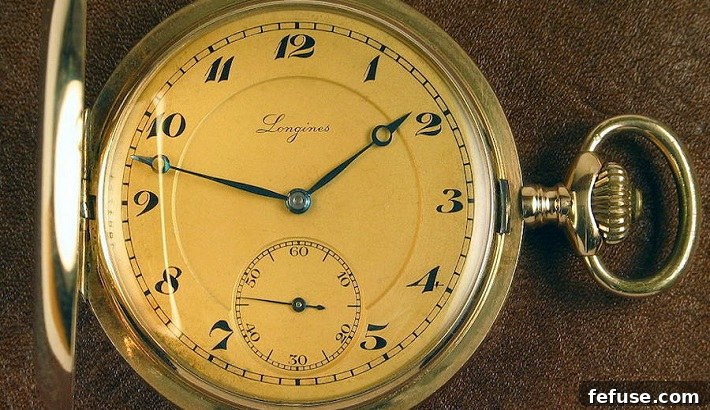
For many decades, the National Copper Corporation had upheld a revered practice: bestowing lavish gold watches upon its most loyal employees who had dedicated over 30 years of service to the company. This gesture was more than just an award; it was a powerful symbol of enduring commitment, a testament to decades of hard work, and a tangible mark of prestige within Codelco’s extensive workforce. However, this long-standing tradition, deeply woven into the fabric of the company’s culture, officially came to an end in 2019, sparking discussions across the mining sector and beyond.
The Golden Legacy: A Tradition of Loyalty and Dedication
The tradition of honoring long-serving employees with valuable timepieces dates back to an era when corporate loyalty was often measured in decades, not years. For Codelco, a company whose operations are intrinsically linked to the national identity and economic stability of Chile, such awards held immense symbolic weight. These gold watches weren’t merely gifts; they were heirlooms, passed down through families, embodying a legacy of dedication to one of the world’s most demanding industries. They represented a deep-seated appreciation for the countless hours, the challenging conditions, and the profound expertise contributed by its veteran miners and staff.
The practice fostered a strong sense of pride and belonging among the workforce, reinforcing Codelco’s image as a company that valued its human capital profoundly. For an employee to receive a gold watch signified not just a personal achievement but also a public acknowledgment of their integral role in the success of a global industry leader. This recognition played a crucial role in maintaining morale and perpetuating a culture where long-term commitment was celebrated and respected, cementing its place as a cherished institution within Codelco’s corporate landscape.
The Catalyst for Change: Unpacking the Chairman’s Decision
The decision to halt this long-honored practice was not made lightly but rather triggered by a specific event that brought the tradition’s financial implications to the forefront. According to reports from the local press and the AFP news agency, the alarms were set off at the office of Chairman Juan Benavides when the Chuquicamata and El Teniente divisions, two of Codelco’s most iconic and productive mining operations, issued a tender. The tender sought to acquire a substantial quantity of 451 Longines gold watches, specifically destined for employees reaching their 30-year service milestone.
Upon reviewing the details of this procurement, Chairman Benavides reportedly intervened decisively. Recognizing the significant expenditure involved and likely weighing it against the company’s broader financial objectives and the prevailing economic climate, he made the executive decision to halt the tender process. This action underscored a new emphasis on fiscal prudence and resource allocation within Codelco’s leadership, signaling a potential shift towards optimizing operational costs and scrutinizing non-core expenditures, even those tied to deeply rooted corporate traditions.
The Price Tag: A Closer Look at the Financials
The financial scope of the traditional gold watch awards, though perhaps appearing modest in the context of Codelco’s multi-billion-dollar operations, was nonetheless substantial. The tender document specified two categories of watches, reflecting different market values. Of the 451 watches slated for acquisition, 383 carried a market price of nearly $1,500 each. The remaining 68 watches, presumably for employees in higher-tier roles or with even longer service, were valued at a higher market price of $2,215 apiece. When aggregated, these figures represent a considerable sum for what is essentially an annual employee recognition program.
Calculating the total cost, the 383 watches at $1,500 each amount to approximately $574,500, while the 68 watches at $2,215 each total around $150,620. This brings the combined expenditure for just one year’s batch of watches to well over $725,000. Over multiple years, this recurring expense would run into millions of dollars. In an era where large state-owned enterprises like Codelco are under increasing pressure to demonstrate efficiency, sustainability, and responsible financial management, such an expenditure, even for a venerable tradition, can become a point of scrutiny for leadership focused on optimizing every aspect of the budget.
Why the Shift? Modernizing Corporate Practices and Cost Efficiency
The decision to discontinue the gold watch tradition is likely multifaceted, extending beyond just the immediate cost savings. It could reflect a broader strategic initiative within Codelco to modernize its corporate practices and align with contemporary business principles. In today’s global mining industry, companies are constantly seeking ways to enhance operational efficiency, reduce overheads, and reallocate resources towards core business objectives, such as technological innovation, sustainable mining practices, and capital projects aimed at extending mine life and boosting production capacity. Eliminating a non-essential, albeit symbolic, expenditure could be seen as a step towards greater fiscal discipline.
Furthermore, the nature of employee recognition itself has evolved. While traditional gifts like gold watches hold sentimental value, modern HR strategies often emphasize more diverse and personalized forms of recognition that cater to a multi-generational workforce. Companies are increasingly looking towards benefits that offer professional development, flexible work arrangements, wellness programs, or experiences, which might be perceived as more impactful or relevant to today’s employees than a material item, regardless of its intrinsic value. Codelco’s move might, therefore, represent a shift towards exploring more strategic and perhaps more cost-effective ways to acknowledge long-term service and foster employee loyalty.
Employee Morale and the Future of Recognition at Codelco
The cessation of such a long-standing and cherished tradition inevitably raises questions about its impact on employee morale and overall company culture. For many veteran employees, the gold watch was not merely a reward but an aspirational goal, a symbol of their journey and achievement within Codelco. Discontinuing it could potentially be perceived by some as a devaluation of their long-term commitment. However, it also presents an opportunity for Codelco to redefine its approach to employee recognition, moving beyond a single, standardized award to potentially more nuanced and inclusive programs.
The challenge for Codelco now lies in finding new, equally meaningful, and perhaps more modern ways to acknowledge and celebrate the dedication of its long-serving employees. This could involve exploring non-monetary recognition, enhanced career development opportunities, unique experiences, or other forms of acknowledgment that resonate with the current workforce while remaining aligned with the company’s new cost-efficiency directives. A carefully crafted new recognition strategy could mitigate any negative impact and even foster a renewed sense of appreciation among its valued personnel.
The Nuance of Collective Bargaining: Union Contracts and Exceptions
An important detail emerging from the initial reports indicates that the tradition of giving away jewelry may not entirely vanish from Codelco’s corporate landscape. The benefit, specifically regarding the award of jewelry, is reportedly established within the collective contract negotiated with the operating union at Codelco’s headquarters. This highlights the complex interplay between executive decisions, corporate policy, and existing labor agreements within a large, unionized enterprise.
This exception underscores that while top-level management can initiate changes to company-wide policies, specific benefits or traditions enshrined within collective bargaining agreements require renegotiation with the respective unions. Such agreements are legally binding and protect employee benefits, often making unilateral changes challenging. Therefore, while the broader policy of awarding gold watches might have ceased across many divisions, specific contractual obligations could ensure its continuation for a subset of the workforce until such contracts are revised. This aspect adds a layer of complexity to Codelco’s corporate evolution and its ongoing relationship with its powerful labor unions.
Codelco’s Path Forward: Efficiency, Innovation, and Global Competitiveness
This decision, while seemingly minor in the grand scheme of Codelco’s operations, can be viewed as part of a larger strategic pivot towards greater efficiency and innovation. As the world’s top copper producer, Codelco faces immense pressure to maintain its competitive edge in a volatile global market. This requires continuous investment in new technologies, sustainable practices, and the optimization of every operational facet, from mining techniques to administrative overheads. Scrutinizing traditional expenditures, even those with sentimental value, aligns with a modern corporate governance philosophy focused on maximizing value and ensuring long-term viability.
Codelco’s commitment to delivering copper to the global market, investing in large-scale projects like the Chuquicamata underground mine, and navigating environmental and social responsibilities demands a lean and agile organizational structure. The move away from the gold watch tradition could symbolize a broader cultural shift within the company towards a more pragmatic, performance-driven environment, where resources are primarily directed towards enhancing productivity, worker safety, and environmental stewardship, all crucial elements for the future of the Chilean copper industry.
Beyond Gold Watches: Reimagining Long-Service Awards in the 21st Century
The end of Codelco’s gold watch tradition serves as a case study for how large corporations are rethinking employee recognition in the 21st century. As workforces become more diverse, with varying generational expectations, static, one-size-fits-all awards are often being replaced by more flexible and personalized recognition programs. Modern companies are exploring options that include professional development courses, sabbatical opportunities, wellness retreats, or even significant contributions to charity in an employee’s name, allowing individuals to choose what resonates most with them.
The emphasis is shifting from merely acknowledging longevity to celebrating meaningful contributions, skill development, and alignment with company values. While a gold watch symbolizes tenure, newer approaches aim to foster ongoing engagement and a sense of continued growth. For Codelco, this transition period could be an opportunity to develop an innovative recognition framework that not only honors its dedicated workforce but also aligns with its contemporary corporate identity and strategic goals, ensuring that employee appreciation remains a vibrant and effective component of its human resources strategy.
Conclusion: A Symbol of Corporate Evolution
Codelco’s decision to end its century-old gold watch tradition is more than just a minor policy adjustment; it is a significant indicator of the ongoing evolution within one of the world’s most influential mining corporations. It reflects a strategic move towards greater financial prudence, a modernization of corporate practices, and an adaptation to the changing landscape of employee recognition. While the discontinuation of a cherished tradition may evoke mixed feelings, it ultimately underscores Codelco’s commitment to optimizing its operations and preparing for the future challenges and opportunities within the global copper industry.
This shift signals a broader trend where companies, even those steeped in history, are compelled to re-evaluate every aspect of their operations, including long-held traditions, to ensure sustained competitiveness and responsible management. For Codelco, a pillar of the Chilean economy, this move solidifies its trajectory towards a more efficient, agile, and forward-looking enterprise, ready to face the demands of the 21st century while continuing its critical role as the world’s foremost producer of copper.
NewsSource: mining