
Unlocking Global Trade Potential: GJEPC’s AEO Outreach Program Illuminates Path to Enhanced Competitiveness
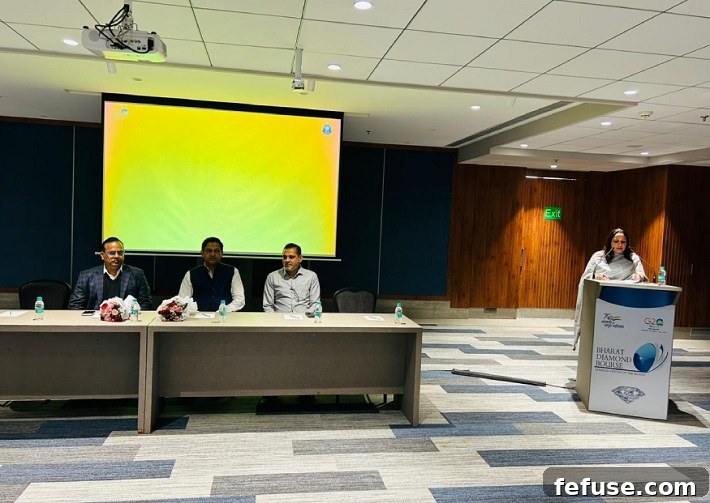
In an era defined by dynamic global markets and the critical need for robust supply chains, businesses worldwide are constantly seeking innovative ways to streamline operations, enhance security, and elevate their international standing. Recognizing this imperative, the Gem & Jewellery Export Promotion Council (GJEPC) recently spearheaded a highly insightful and comprehensive Outreach Program. This pivotal event, held on March 18th, 2024, at the prestigious Bharat Diamond Bourse, was meticulously designed to empower stakeholders within the vibrant Indian gem and jewelry sector with invaluable knowledge regarding the acquisition of Authorized Economic Operator (AEO) status. The program underscored a strategic vision: to significantly enhance international trade operations, fortify supply chain security against myriad global challenges, and ultimately bolster the global competitiveness of Indian businesses.
The primary objective of this meticulously planned outreach was to demystify the complexities surrounding AEO certification, thereby streamlining efforts within the sector. By equipping individuals and firms with the requisite knowledge and resources, GJEPC aimed to facilitate their journey towards obtaining this coveted international accreditation. AEO certification is not merely a bureaucratic formality; it is a globally recognized hallmark, signifying a company’s unwavering commitment to secure and efficient international trade practices. This esteemed status translates into a cascade of tangible benefits, including significantly simplified customs procedures, a substantial reduction in physical inspection rates, and a profoundly enhanced level of supply chain security, offering a significant competitive edge in the global marketplace.
Deep Dive into AEO: A Pillar of Modern Trade Facilitation
The Authorized Economic Operator (AEO) program, a cornerstone of the World Customs Organization’s (WCO) SAFE Framework of Standards to Secure and Facilitate Global Trade, represents a strategic partnership between customs authorities and the private sector. It is designed to enhance international supply chain security while simultaneously facilitating legitimate trade. Companies that achieve AEO status are recognized as trustworthy and compliant entities, leading to a host of preferential treatments from customs administrations. This mutual recognition principle extends across various nations, making AEO status a global passport for smoother, faster, and more secure cross-border transactions. For businesses operating in the highly competitive gem and jewelry industry, where time-sensitive deliveries and high-value consignments are the norm, AEO certification becomes not just beneficial but a strategic imperative. It demonstrates a proactive approach to risk management and compliance, instilling confidence among trade partners and regulatory bodies alike.
Insights from the Forefront: Navigating the AEO Landscape with Customs Experts
The program was profoundly enriched by the presence and expert perspectives of Shri Amit Choudhary, Deputy Commissioner, Directorate of International Customs. As the keynote speaker, Shri Choudhary offered an illuminating address that meticulously clarified various queries pertaining to the process of obtaining AEO status. His insightful presentation delved deep into the nuances of AEO eligibility criteria, the exhaustive documentation requirements, and critically, the best practices for achieving successful certification and subsequent maintenance. Attendees gained a comprehensive understanding of what it truly takes to align their operations with international best standards.
Shri Choudhary meticulously articulated the distinctions between AEO Tier 1, Tier 2, and Tier 3 status for importers and exporters, detailing the progressive range of benefits extended at each level. These benefits are transformative for businesses engaged in international trade:
- Enhanced Facilitation: Priority treatment in customs clearance processes, significantly reducing delays.
- Faster Clearances: Expedited processing of consignments, critical for maintaining tight production schedules and meeting customer demands.
- Reduced Dwell Time: Minimized time goods spend at ports or airports, leading to substantial savings on demurrage and detention charges.
- On-Request On-Site Inspection/Examination: The convenience of having inspections conducted at the importer’s or exporter’s premises, rather than at congested customs points, offering greater operational flexibility.
- Lower Inspection Costs: Fewer physical inspections translate directly into reduced handling charges and operational overheads.
- Delinking Clearance and Duty Payment: A significant cash flow advantage, allowing goods to be cleared before the duty payment is processed.
- Deferred Duty Payments: Providing businesses with greater financial flexibility by delaying the payment of customs duties.
- Reduced Transaction Costs: Overall efficiencies across logistics, administration, and compliance lead to a tangible reduction in operational expenditures.
- Fewer Disputes: A robust compliance framework associated with AEO status inherently reduces the likelihood of customs disputes.
- Efficient Dispute Resolution: In the rare event of a dispute, AEO status often facilitates faster and more amicable resolution processes.
These multifaceted advantages collectively contribute to a more predictable, cost-effective, and secure supply chain, offering AEO-certified entities a formidable competitive edge in the global arena. The ability to guarantee faster, more reliable deliveries with reduced costs is invaluable in building customer trust and expanding market reach.
AEO LO: Securing the Entire Supply Chain Ecosystem
Beyond direct importers and exporters, the AEO LO (Logistics Operator) tier was highlighted as being specifically applicable for all other vital participants within the international supply chain ecosystem. This includes, but is not limited to, Customs Brokers, Custodians, Freight Forwarders, Terminal Operators, and Warehouse Operators. This inclusivity ensures that the benefits of AEO extend throughout the entire trade pipeline, creating an end-to-end secure and efficient environment. When every link in the supply chain holds AEO certification, the entire network operates with enhanced transparency, security, and predictability. For these auxiliary service providers, AEO LO status enhances their credibility, attracts more AEO-certified clients, and enables smoother, faster operations, contributing to the overall strength and reliability of India’s trade infrastructure. This holistic approach to security and facilitation is crucial for high-value industries like gem and jewelry, where multiple hands handle consignments before they reach their final destination.
Revolutionizing Trade Logistics: The Transformative Impact of Customs Modernization
A particularly striking revelation shared by Shri Choudhary underscored the monumental strides made by Indian Customs in modernizing trade logistics. He emphatically pointed out that container clearance timelines had drastically reduced from an arduous 21 days just a few years ago to an astonishingly efficient mere 6 hours today. This dramatic improvement is a testament to the concerted efforts by the Customs department in embracing digitization, implementing advanced risk management systems, and prioritizing compliant traders. Furthermore, Shri Choudhary confirmed that the Customs department operates under a clear mandate to clear AEO shipments on a priority basis. This commitment not only validates the trust placed in AEO entities but also translates into tangible operational advantages for certified businesses, enabling faster market entry and reduced inventory holding costs. This acceleration in clearance times is a game-changer for India’s export and import landscape, directly contributing to the nation’s ease of doing business index and boosting its global trade standing.
The event also saw the esteemed presence of other key dignitaries who shared the dais with Shri Amit Choudhary. These included Shri Manoj Kumar Agarwal, Additional Assistant Director, Directorate of International Customs, whose insights further enriched the technical discussions, and Shri Naresh Lathiya, Convener, MSME Sub-committee, GJEPC. Their collective presence underscored the collaborative spirit between government agencies and industry bodies in driving trade facilitation initiatives. This partnership is vital for translating policy into actionable strategies that benefit thousands of businesses, particularly the micro, small, and medium enterprises (MSMEs) that form the backbone of the gem and jewelry sector.
Overwhelming Positive Feedback and a Vision for the Future
The GJEPC AEO Outreach Program garnered overwhelmingly positive feedback from the diverse audience of over 120 attendees. Participants expressed profound appreciation for the valuable insights gained, highlighting the program’s success in demystifying complex procedures and offering clear pathways to AEO certification. Beyond the knowledge dissemination, the event also served as an invaluable platform for industry stakeholders to connect with peers, exchange experiences, and foster collaborative relationships. This networking aspect is crucial for building a more cohesive and informed industry community.
In conclusion, GJEPC’s proactive initiative to educate its members on the Authorized Economic Operator program is a clear demonstration of its commitment to fostering a globally competitive and secure gem and jewelry industry. As businesses continue to navigate the complexities of international trade, embracing frameworks like AEO becomes indispensable. It is not just about compliance; it is about strategic advantage, operational efficiency, cost reduction, and enhancing global trust. Through such targeted outreach programs, GJEPC continues to empower Indian exporters and importers to confidently embrace international best practices, ensuring their continued success and strengthening India’s position as a leader in the global gem and jewelry market for years to come. The emphasis on AEO status acts as a catalyst for growth, encouraging businesses to adopt higher standards of security and compliance, which ultimately benefits the entire national economy.