
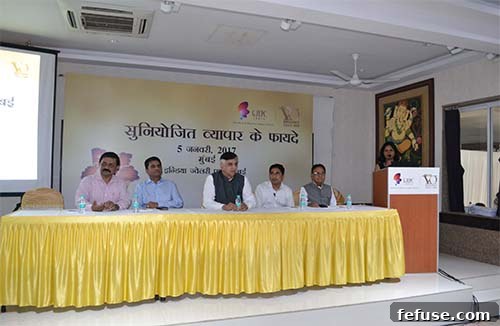
The Indian gem and jewellery sector stands as a formidable pillar of the nation’s economy, renowned globally for its intricate craftsmanship, vibrant designs, and significant contribution to exports. Recognizing the immense potential for further growth and formalization within this dynamic industry, the Gem & Jewellery Export Promotion Council (GJEPC), the apex body for promoting India’s exports of gems and jewellery, meticulously orchestrated a pivotal seminar in Mumbai. Held on January 5, 2017, this significant event was themed “Benefits of Organised Trading,” specifically designed to illuminate the myriad advantages of adopting structured business practices in an evolving economic landscape.
The core objectives of the seminar were multifaceted, focusing on fostering greater transparency, efficiency, and adherence to regulatory frameworks. Key areas of discussion included promoting the widespread adoption of cashless transactions, ensuring robust compliance with income tax laws, and advocating for a more organised approach to conducting business operations. These themes were particularly pertinent in the prevailing economic climate, marked by a nationwide push towards digital financial inclusion and formalization.
A distinctive aspect of this GJEPC initiative was its inclusive approach. While the GJEPC actively serves its members, this seminar was strategically tailored to engage and benefit that crucial segment of the trade operating outside the formal GJEPC membership. This includes numerous small and medium-sized enterprises, individual artisans, and traders who, despite not being direct members, are indispensable contributors to the growth and vibrancy of the gem and jewellery industry. Their collective efforts significantly underpin the success of national initiatives like “Make in India,” which champions indigenous manufacturing and global competitiveness.
Praveenshankar Pandya, then Chairman of the GJEPC, underscored the profound significance of the seminar, articulating a clear vision for the industry’s future. He stated, “It is imperative that every sector in India actively participates in aligning itself with the Hon’ble Prime Minister Narendra Modi’s transformative vision of propelling India towards a cashless economy.” This statement highlighted the broader national imperative for digital adoption and formal financial practices. Pandya further emphasized that the seminar served as a crucial platform to educate and empower industry stakeholders, particularly those within the unorganised sector, to fully grasp the tangible benefits of cashless transactions and to leverage the various supportive schemes available to them. This move was not just about compliance but about unlocking new avenues for growth, security, and market integration for every participant in the value chain.
The transition to a cashless economy offers a multitude of advantages for businesses, particularly within the gem and jewellery trade where transaction values can be high. Digital payments enhance transparency, reduce the risks associated with handling large amounts of physical cash, and provide robust, auditable records. For small businesses, embracing digital modes of payment can also improve creditworthiness, making it easier to access formal financing from banks and financial institutions, thereby fueling expansion and modernization efforts. The seminar provided practical insights and guidance on adopting these modern payment systems, ensuring participants were well-equipped to navigate this shift.
Further enriching the seminar’s agenda, representatives from the State Bank of India (SBI), a leading public sector bank, delivered insightful presentations. Meenakshi Krishnamurthi, Regional Officer, and Parekh Paleja, Relationship Manager, expertly guided participants through the intricacies of cashless transactions. Their session covered various digital payment methods, their operational mechanics, security features, and the benefits for both consumers and businesses. Beyond payment solutions, they also shed light on crucial Small and Medium Enterprise (SME) policies. These policies are designed to support the financial health and growth of SMEs through tailored loan products, credit facilities, and advisory services, contingent upon businesses demonstrating a structured and compliant operational framework. This direct engagement with banking experts provided attendees with practical knowledge on how formal business practices could unlock vital financial resources.
Expanding on the infrastructural future of the Indian gem and jewellery sector, GJEPC Chairman Praveenshankar Pandya also took the opportunity to brief participants on the ambitious Indian Jewellery Park project. He envisioned this facility as a monumental step forward, poised to set world-class standards in manufacturing, design, and innovation. The Indian Jewellery Park is conceptualized as an integrated hub, offering state-of-the-art infrastructure, advanced technology, skill development centers, and a conducive environment for both domestic and international players. Such a park would significantly enhance India’s competitive edge in the global market, attracting investments, fostering collaborations, and elevating the quality and scale of jewellery production. It represents a strategic move to consolidate fragmented operations into a unified, high-efficiency ecosystem, ultimately boosting exports and creating numerous employment opportunities.
Corporate Social Responsibility (CSR) and welfare initiatives formed another vital discussion point, led by Sabyasachi Ray, Executive Director of the GJEPC. Ray elaborated on the GJEPC’s comprehensive CSR policies, which are deeply embedded in the council’s mission to foster sustainable growth and employee welfare. He specifically highlighted two flagship schemes: ‘Swasthya Ratna’ and ‘Parichay Card.’ Swasthya Ratna, meaning ‘Health Gem,’ is a pioneering health insurance scheme designed to provide crucial medical benefits and financial security to the skilled artisans and workers (karigars) who are the backbone of the industry. This initiative addresses a critical need for healthcare access within the often-unorganised workforce, ensuring their well-being and productivity. The Parichay Card, an identity card initiative, aims to formalize the workforce by providing a verified identity to artisans, enabling them to access various government welfare schemes, skill development programs, and enhancing their overall social and economic security. These initiatives not only demonstrate the industry’s commitment to its human capital but also promote ethical practices and responsible manufacturing.
Navigating the complexities of taxation is a significant challenge for businesses, particularly for those transitioning from informal to formal operations. To address this, Heena Gandhi from V. A. Parikh & Associates LLP, a distinguished firm specializing in financial and legal advisory, provided an in-depth session on income tax regulations. Her presentation demystified various aspects of income tax compliance relevant to the gem and jewellery trade. More importantly, she dedicated time to addressing participants’ specific queries on compliance, offering expert guidance on record-keeping, filing procedures, deductible expenses, and best practices to ensure adherence to tax laws. This direct engagement with a tax expert was invaluable for attendees, empowering them with the knowledge to avoid pitfalls and leverage compliant practices for business stability and growth.
The seminar’s insightful discussions and presentations were skillfully guided by Dr. Jitarani Udgata, who served as the moderator, ensuring a smooth flow of information and facilitating interactive sessions. The event concluded with a heartfelt vote of thanks presented by Mansukh Kothari, Co-Convener of the GJEPC’s Gold Jewellery & Other Precious Metal Jewellery Panel Committee. Kothari expressed gratitude to all speakers, participants, and organisers for their contributions to making the seminar a resounding success and for their commitment to advancing the Indian gem and jewellery sector towards a more organised, transparent, and prosperous future.
In essence, the “Benefits of Organised Trading” seminar was far more than just an informational event; it was a strategic intervention by the GJEPC to catalyze systemic change within the Indian gem and jewellery industry. By championing cashless transactions, strict income tax compliance, and structured business practices, the seminar laid the groundwork for a more resilient, globally competitive, and ethically responsible sector. The engagement with diverse stakeholders, from government visionaries to banking experts and tax advisors, underscored a unified commitment to formalizing the industry, ensuring sustained growth, and reinforcing India’s position as a world leader in gems and jewellery. The focus on inclusivity, particularly for non-member contributors, highlighted a dedication to holistic industry development, paving the way for every entity, big or small, to thrive in an increasingly organized global marketplace.