
Florida Jeweler Arrested for Unlicensed Dentistry: Unveiling the Hidden Dangers of DIY Dental Grills
A bizarre yet concerning case in Tallahassee, Florida, has cast a spotlight on the critical importance of licensed dental care. Jose P. Cancel, the owner of JPC Jewelers, faces serious charges for allegedly operating an unauthorized dental laboratory and practicing dentistry without the necessary state credentials, all centered around the creation of custom dental grills. This incident serves as a stark reminder of the potential health hazards posed by non-professional dental procedures and the stringent regulations designed to protect public oral health.
The Unraveling of JPC Jewelers: An Investigation into Unlicensed Practices
The unusual saga began when the Tallahassee Police Department’s special investigations unit received an anonymous tip. The report indicated “suspicious individuals” were frequently visiting JPC Jewelers, staying for unusually brief periods—often just two or three minutes. This pattern immediately raised red flags, suggesting activities beyond typical jewelry sales. What followed was a meticulous investigation that would soon expose a clandestine dental operation thriving within what appeared to be an ordinary jewelry store.
Police investigators soon alleged that Jose P. Cancel, aged 59, was engaging in a lucrative side business: creating custom dental grills. These ornamental covers, worn over teeth, require precise molding and fitting to ensure both aesthetic appeal and oral safety. According to the authorities, Cancel was taking impressions of teeth, a procedure traditionally performed by licensed dental professionals, to fabricate these custom plates. This practice, by definition, falls under the scope of dentistry.
After gathering sufficient evidence, law enforcement secured a search warrant for JPC Jewelers. The raid proved decisive. Inside the establishment, investigators reportedly discovered an active, unregistered dental laboratory. The scene was alarming, replete with over 200 individual teeth molds and dental impressions—undeniable proof of an extensive, ongoing operation. Cancel was promptly arrested, and authorities seized $800 in cash, believed to be proceeds from the unlicensed venture. The investigation remains ongoing as police delve deeper into the full scope of his activities.
A Deeper Look into the Charges: Practicing Dentistry Without a License
Jose P. Cancel now faces multiple serious charges that underscore the gravity of his alleged actions. He has been charged by the Tallahassee Police Department with practicing dentistry without a license. Additionally, the Florida Department of Health has charged him with operating a non-registered dental laboratory without a license. These are not minor infractions; in Florida, the practice of dentistry is a heavily regulated field, with strict licensing requirements designed to safeguard public health and safety.
The term “practicing dentistry” encompasses a wide range of activities, including diagnosing, treating, operating on, or prescribing for any disease, pain, injury, deficiency, deformity, or physical condition of the human teeth, alveolar process, gums, or jaws. It also includes taking impressions of the teeth or jaw, fabricating dental appliances, and performing any other service generally recognized as dental. By taking impressions and fabricating custom dental grills, Cancel allegedly crossed a clear legal boundary into the realm of professional dentistry without possessing the requisite education, training, and state licensure.
Operating an unregistered dental laboratory is equally serious. Dental laboratories are responsible for manufacturing custom dental prosthetics, such as crowns, bridges, dentures, and, in this case, grills, based on prescriptions from licensed dentists. These labs must adhere to strict sanitation, material quality, and operational standards, all overseen by state health departments. An unregistered lab bypasses these critical oversight mechanisms, putting consumers at severe risk.
Police spokesman Damon Miller emphasized the severity of the situation, stating that creating dental products without a license can have dire consequences. “A lot of times people are not using actual gold or silver or platinum, they’re using other materials which can be harmful to you,” Miller warned. This highlights a core issue: unlicensed practitioners often lack the knowledge of biocompatible materials and the regulatory standards necessary for oral appliances.
The Allure and Risks of Custom Grills: Why Professional Oversight is Paramount
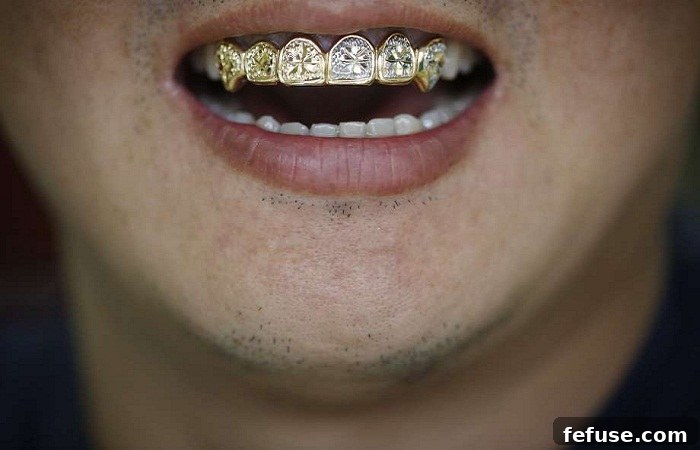
Dental grills, often referred to as “grillz,” have evolved from a niche fashion statement, particularly popular in hip-hop culture, into a more mainstream accessory. Crafted from precious metals like gold, silver, or platinum, and sometimes adorned with diamonds or other gemstones, they are designed to fit over the teeth. For many, grills are a form of personal expression, a symbol of status, or a unique style choice.
However, the creation and fitting of dental grills are not purely aesthetic endeavors; they are medical procedures that directly impact oral health. When professionally made by a licensed dentist or a certified dental laboratory based on a dentist’s prescription, grills can be relatively safe. A professional ensures:
- Proper Fit: Preventing irritation to gums, misalignment of teeth, or difficulty speaking and eating.
- Safe Materials: Using dental-grade, biocompatible metals that won’t cause allergic reactions, corrosion, or toxicity.
- Hygiene and Sterilization: Ensuring instruments and the creation environment are sterile to prevent infections.
- Oral Health Assessment: A dentist will check for existing dental issues that could be exacerbated by wearing a grill.
Conversely, when grills are crafted by unlicensed individuals like Jose P. Cancel, these critical safeguards are completely absent, leading to a myriad of potential health dangers.
Hidden Dangers: Why Unlicensed Dental Work Is a Major Health Hazard
The incident at JPC Jewelers serves as a stark warning about the profound risks associated with seeking dental services from unqualified individuals. The seemingly innocuous act of getting a “custom grill” can quickly escalate into serious and long-lasting oral and systemic health problems.
Inadequate Hygiene and Risk of Infection
One of the most immediate and critical dangers of unlicensed dental procedures is the absence of proper hygiene and sterilization protocols. Legitimate dental practices adhere to rigorous standards to prevent the spread of bacteria, viruses, and fungi. Unregistered labs and unlicensed practitioners often operate in unsterile environments, using unsterilized instruments. This drastically increases the risk of oral infections, including:
- Gum disease (gingivitis and periodontitis): Bacteria from contaminated instruments or poorly fitted grills can easily infect gum tissue.
- Oral abscesses: Severe infections can lead to painful pus-filled pockets in the mouth.
- Systemic infections: Oral infections can enter the bloodstream and spread to other parts of the body, potentially causing serious health complications, especially for individuals with compromised immune systems.
Use of Substandard or Harmful Materials
As highlighted by police spokesman Damon Miller, unlicensed providers frequently cut corners by using non-dental grade materials. While they might advertise “gold” or “silver,” these materials could be cheap alloys, base metals, or even contain toxic substances like lead or cadmium. Such materials can:
- Cause Allergic Reactions: Many individuals are allergic to certain metals, leading to painful rashes, swelling, or irritation in the mouth.
- Corrode or Tarnish: Non-precious metals can corrode quickly in the moist, acidic environment of the mouth, releasing harmful ions and chemicals.
- Lead to Toxicity: Exposure to heavy metals can have long-term systemic health consequences, affecting organs and bodily functions.
- Damage Tooth Enamel: Rough or poorly finished surfaces of the grill, especially if made from inferior materials, can abrade and wear down the natural tooth enamel over time, leading to sensitivity and decay.
Improper Fit and Mechanical Damage to Teeth and Gums
Creating a dental appliance requires precise measurements and an understanding of oral anatomy. An unlicensed individual lacks the expertise to take accurate impressions or to design a grill that fits perfectly without causing damage. An ill-fitting grill can lead to:
- Gum Irritation and Recession: Constant pressure or rubbing from a poorly fitted grill can irritate gum tissue, leading to inflammation and eventual gum recession, exposing sensitive tooth roots.
- Tooth Enamel Damage: A grill that is too tight or rough can cause friction, leading to the erosion of tooth enamel, making teeth more susceptible to cavities and sensitivity.
- Tooth Movement or Shifting: Sustained pressure from an improperly designed grill can actually alter the alignment of teeth, leading to malocclusion (bad bite).
- Difficulty with Oral Hygiene: A bulky or ill-fitting grill can trap food particles and plaque, making it difficult to brush and floss effectively, thus increasing the risk of cavities and gum disease.
- Jaw Pain and TMJ Issues: Any appliance that interferes with the natural bite can put undue stress on the temporomandibular joints (TMJ), leading to pain, headaches, and other TMJ disorders.
Lack of Ongoing Care and Liability
Licensed dentists provide comprehensive care, including pre-procedure assessment, post-procedure instructions, and follow-up appointments to monitor for complications. Unlicensed practitioners offer none of this. Furthermore, if complications arise, victims have little to no legal recourse or protection, as these operations exist outside the regulated healthcare system.
Florida’s Stringent Dental Regulations: A Shield for Public Health
The state of Florida, like all other U.S. states, maintains rigorous licensing and regulatory frameworks for dental professionals and dental laboratories. These regulations are not arbitrary; they are meticulously crafted to protect consumers from incompetent or dangerous practices. The Florida Department of Health is the primary agency responsible for overseeing these standards, ensuring that anyone practicing dentistry or operating a dental lab meets specific educational, examination, and ethical requirements.
The licensing process for dentists is extensive, requiring years of advanced education, successful completion of national and state board examinations, and ongoing continuing education. This ensures that practitioners possess the scientific knowledge, clinical skills, and professional judgment necessary to provide safe and effective oral care. Similarly, dental laboratories must register with the state and adhere to strict guidelines regarding sanitation, material sourcing, and quality control.
These regulations serve several vital purposes:
- Ensuring Competency: Licenses verify that a practitioner has met the minimum standards of education and training.
- Protecting Patient Safety: Regulations mandate sterile environments, proper equipment, and safe procedures, minimizing risks of infection and injury.
- Maintaining Ethical Standards: Licensed professionals are bound by codes of conduct and are accountable to a regulatory board.
- Providing Legal Recourse: Patients harmed by licensed practitioners have avenues for complaint and redress through the state board.
The case of Jose P. Cancel starkly illustrates what happens when these safeguards are bypassed. The potential for harm to unsuspecting individuals seeking a trendy accessory far outweighs any perceived cost savings or convenience of an unlicensed service.
Protecting Your Smile: Consumer Vigilance Is Key
This incident is a powerful reminder for consumers to exercise extreme caution and diligence when seeking any form of dental service, whether it’s a routine check-up, a cosmetic procedure, or the creation of a dental appliance. Your oral health is intrinsically linked to your overall well-being, and entrusting it to an unqualified individual can have devastating consequences.
Here are crucial steps consumers can take to protect themselves:
- Verify Licenses: Always check if a dentist or a dental practice is licensed by the Florida Department of Health. The department’s website provides online tools to verify licenses. For dental laboratories, inquire if they are registered and only work through a licensed dentist.
- Ask for Credentials: Don’t hesitate to ask a practitioner about their qualifications, education, and experience. A legitimate professional will be transparent.
- Beware of Unusually Low Prices: If a price for a dental procedure or appliance seems too good to be true, it often is. Unlicensed operators can offer lower prices because they don’t incur the significant costs associated with education, licensure, proper materials, and facility overhead.
- Observe the Environment: Pay attention to the cleanliness and professionalism of the facility. Any signs of unsanitary conditions or makeshift setups should be a red flag.
- Educate Yourself: Understand that procedures like taking impressions or fitting appliances are medical acts that require professional training.
- Report Suspected Unlicensed Activity: If you suspect someone is practicing dentistry or operating a dental lab without a license, report it to your local police department and the state health department.
The Ongoing Investigation and Future Implications
As the investigation into Jose P. Cancel’s alleged activities continues, the legal ramifications could be substantial. Practicing dentistry without a license and operating an unregistered dental laboratory can carry severe penalties in Florida, including significant fines, potential imprisonment, and lasting damage to one’s reputation. The ongoing nature of the investigation means more details, and potentially additional charges or affected individuals, could emerge.
A sign reportedly placed on the door of JPC Jewelers indicates the business is currently closed but plans to reopen. However, the future of JPC Jewelers and Jose P. Cancel’s business ventures remains uncertain, especially with the weight of these serious charges. This case serves as a stern warning not only to those who might consider engaging in similar illicit practices but also to consumers about the critical importance of seeking medical services, including dental care, only from qualified and licensed professionals.