
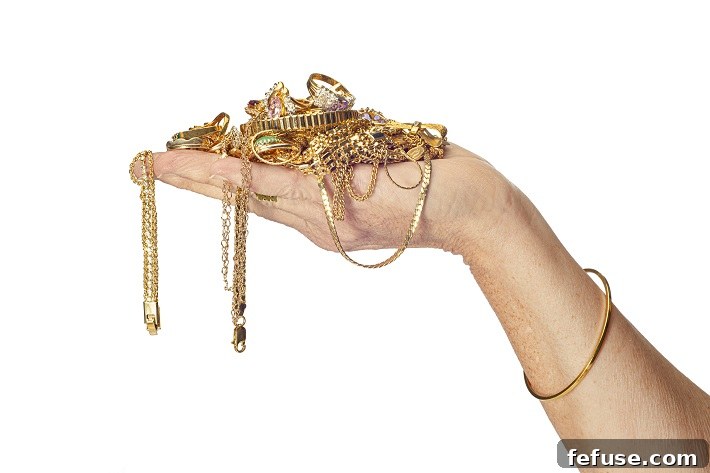
Turn Your Unwanted Gold into Cash: A Comprehensive Guide to Selling Scrap Gold Profitably
Do you have a broken gold bracelet, an outdated gold pendant, or an inherited piece of jewelry that no longer suits your style? Instead of letting these items gather dust, consider their hidden potential. What many see as mere scrap, savvy individuals recognize as a valuable asset waiting to be converted into cash. The business of buying and selling precious metals, particularly gold, offers significant financial opportunities. While it might seem like a niche market, understanding its nuances can empower you to unlock substantial returns.
Whether you’re looking to declutter your jewelry box, generate some extra income, or even delve into the profitable world of precious metal trading, this guide is designed to equip you with the knowledge and strategies needed to navigate the market successfully. We’ll explore how to identify reputable buyers, understand market dynamics, and ensure you receive the best possible value for your gold.
The Lucrative World of Selling Scrap Gold
Gold has fascinated humanity for millennia, revered for its beauty, rarity, and enduring value. In modern times, it continues to serve as a reliable store of wealth and a hedge against economic uncertainties. When we talk about “scrap gold,” we’re referring to any gold item that is no longer serving its original purpose or is being sold for its intrinsic metal value rather than its aesthetic or collectible worth. This can include broken chains, mismatched earrings, old dental gold, or even industrial gold waste.
The appeal of selling scrap gold is multifaceted. For many, it’s about practical financial gain – converting an unused asset into liquid cash. For others, it’s a sustainable choice, contributing to the recycling of precious resources and reducing the need for new mining. Whatever your motivation, approaching the sale with a well-informed strategy is crucial to maximizing your profit and ensuring a fair transaction.
Navigating the Market: Where to Begin Your Gold Selling Journey?
The initial step in selling your gold is often the most daunting: finding a trustworthy buyer. The market is diverse, ranging from local pawn shops to specialized online dealers, and the quality of service, transparency, and offers can vary significantly. Without proper diligence, you risk receiving unfairly low offers, especially if you’re not familiar with the true value of your gold.
To avoid common pitfalls and ensure you get a competitive price, vigilance and careful research are paramount. Reputable companies are emerging that offer unique and transparent ways of facilitating the buying and selling of gold and other precious metals. For instance, platforms like Gold Buyers Near Me provide a modern, convenient approach, often emphasizing fair pricing and customer satisfaction. Exploring their website or similar services can be an excellent starting point for understanding current market practices and finding reliable partners.
Before committing to any buyer, it’s wise to explore several options. Consider local jewelers who might offer competitive rates, pawn shops (though often less ideal for maximizing profit), and dedicated online gold buyers who frequently boast lower overheads and thus potentially higher payouts. Each type of buyer has its own set of advantages and disadvantages, and comparing them will help you make an informed decision.
Essential Strategies for Maximizing Your Scrap Gold Profits
To help you navigate the process effectively and achieve the best possible return on your investment, here are critical factors and strategies to consider when selling your scrap gold:
-
Master the Gold Market: Researching Prices and Rates
- Global Supply and Demand: Mine production, recycling efforts, and central bank purchases affect supply, while jewelry manufacturing, industrial use, and investment demand drive consumption.
- Economic Stability: During times of economic uncertainty or recession, gold is often seen as a safe-haven asset, causing its demand and price to rise. Conversely, a strong economy might see investors flock to riskier, higher-yield assets.
- Political Stability: Geopolitical tensions, conflicts, or significant policy changes can trigger a flight to safety, boosting gold’s appeal.
- Inflation: Gold is historically viewed as a hedge against inflation. When inflation rises, the purchasing power of fiat currencies declines, making gold a more attractive store of value.
- Interest Rates: Higher interest rates generally make non-yielding assets like gold less attractive compared to interest-bearing investments.
- Currency Strength: Gold is typically priced in US dollars. A weaker dollar often makes gold cheaper for buyers using other currencies, thus increasing demand and price.
-
The Art of Timing: When to Sell Your Gold
-
Sharpen Your Negotiation Skills: Getting the Best Price
-
Safeguarding Your Sale: Avoiding Scams and Unscrupulous Buyers
- Online Presence and Reviews: A reputable buyer in the digital age will have a professional website and active social media presence. Crucially, they will also have transparent client reviews on independent platforms (e.g., Google Reviews, Yelp, Better Business Bureau). A lack of a credible online footprint or an abundance of negative reviews should be a major red flag. Be wary of businesses that only have glowing reviews on their own site without external verification.
- Transparency in Valuation: How do they determine your gold’s value? Do they use calibrated scales? Are they open about the purity testing methods (e.g., acid testing, XRF spectrometer)? A trustworthy dealer will perform these tests openly in front of you and explain their process clearly. Be suspicious if they take your gold to a back room for evaluation or are vague about their methods.
- Business Practices and Documentation: Assess their overall business conduct. Do they issue detailed receipts and proper paperwork after the deal is made? A legitimate transaction should always come with a written record stating the weight, purity, agreed-upon price, and buyer’s details. Transparent payment processes are also vital – avoid cash-only deals without any documentation.
- Pressure Tactics: Be wary of buyers who pressure you into an immediate sale, claim prices are about to drop drastically, or discourage you from seeking other offers. A reputable buyer will be confident in their pricing and happy for you to compare.
- Unrealistic Offers: If an offer seems too good to be true, it probably is. Likewise, if an offer is significantly lower than the current market rates you’ve researched, it’s a clear indication to look elsewhere.
The price of gold is in a constant state of flux, influenced by a complex interplay of global economic, political, and social factors. Understanding these dynamics is your first line of defense against undervaluation. Key drivers include:
Before you even approach a buyer, you must have a clear picture of the current market rates. Utilize reputable financial news sources, dedicated gold price tracking websites, and investment platforms to monitor the spot price of gold (the price for immediate delivery). This real-time information will serve as your benchmark for estimating the worth of your gold. Remember, the market price is for pure 24-karat gold; your jewelry will likely be of a lower karatage, affecting its intrinsic value. Knowing this helps you understand the buyer’s calculations.
Beyond simply checking the spot price, perform a comparative analysis of different buyers’ payout rates. Some buyers might offer 70% of the spot price, while others go higher. Don’t settle for the first offer. Obtaining second, third, or even fourth opinions from various dealers is a smart move. Gold is a highly valuable asset, and you deserve to receive a fair and competitive return on its sale.
Given gold’s volatile nature, strategic timing can significantly impact your profits. The ideal scenario is to sell your scrap gold when its market rate is at its peak and demand is considerably high. This concept, while seemingly straightforward, requires diligent monitoring and a degree of market intuition.
Monitoring the market for peak prices can be particularly challenging. Gold prices rarely follow predictable patterns, and what seems like a peak today could be surpassed tomorrow, or conversely, could be followed by a sharp decline. Therefore, a successful timing strategy combines meticulous market research with an educated assessment of current trends. For instance, historical data might show that demand for gold often rises during periods of global crisis or heightened inflation fears. Recognizing such macroeconomic indicators can give you an edge.
You need to decide whether to sell immediately when prices are favorable or to hold out for a potential higher peak. This is where intuition, developed through consistent market observation, becomes invaluable. Setting price alerts on financial apps can notify you when gold reaches a certain threshold, aiding your decision-making. Ultimately, a strategic combination of thorough market research, an understanding of historical patterns, and your well-honed intuition will enable you to make a decision that best maximizes your profit. Patience is a virtue in the gold market; hasty sales often lead to missed opportunities or lower returns.
Once you’ve diligently researched current market prices and have a clear target price in mind, the next crucial step is negotiation. This is where your preparation truly pays off. Remember, you’re engaging in a business transaction where both parties aim to maximize their interests. Buyers want to acquire gold at the lowest possible price to ensure their profit margin when they refine or resell it, while your goal as a seller is to secure the highest possible return for your metal.
Effective negotiation isn’t about being aggressive; it’s about being informed and confident. Start by understanding your gold’s precise weight (in grams or troy ounces) and purity (karats). Armed with this information and recent market rates, you can present a compelling argument for your desired price. Be prepared to counter an initial low offer by citing the current spot price and what other buyers are offering. Ask about any fees or commissions they might deduct from the total value. Transparency in their calculation process is a good sign of a reputable dealer.
The goal is to establish a mutual understanding and reach a fair compromise. Don’t let a dealer rush you or pressure you into accepting an offer that feels too low. Gold is a stable and valuable asset, and it holds its value remarkably well. If you encounter resistance or feel that a buyer is unwilling to negotiate fairly, be ready to walk away. Having multiple offers in hand strengthens your position significantly, as it provides leverage and alternatives. Avoiding common mistakes during this phase can save you a substantial amount of money.
Unfortunately, the allure of gold also attracts dishonest individuals. Scammers and unethical buyers are a real threat in the precious metals market, making thorough due diligence an absolute necessity before engaging with any dealer. Your vigilance here directly protects your financial interests.
Here are crucial steps and red flags to watch for:
Taking the time to research a potential buyer’s reputation and observe their business practices is an investment that can save you from significant losses and the frustration of being scammed.
Beyond the Sale: Understanding Gold Purity and Valuation
To truly maximize your profit, it helps to understand how gold is valued. Gold purity is measured in karats (K), with 24K representing pure gold (99.9% or higher). Most jewelry is not 24K because pure gold is too soft for everyday wear. Common purities include:
- 18K gold: 75% pure gold (marked 750)
- 14K gold: 58.3% pure gold (marked 583 or 585)
- 10K gold: 41.7% pure gold (marked 417)
The lower the karatage, the less pure gold is in the item, and thus, the lower its intrinsic value. Buyers will weigh your gold, assess its purity, and then calculate its value based on the current market price for that specific amount of pure gold. Familiarize yourself with how to identify these markings on your jewelry, as it helps you estimate its value even before visiting a buyer. Weighing your gold on a precise kitchen or jewelry scale can give you a rough idea of its weight, further empowering your negotiations.
Final Thoughts
Transforming your scrap gold into cash can be a highly rewarding endeavor, provided you approach it with knowledge and patience. The most critical takeaway is the power of proper research. Every subsequent step you take, from timing your sale to negotiating the price and identifying a reputable buyer, hinges on your foundational understanding of the gold market and the specific value of your items. Rushing into a sale without adequate preparation can expose you to significantly lower offers, or worse, make you a target for fraudulent schemes.
Empower yourself with information, take the time to compare your options, and don’t be afraid to walk away from a deal that doesn’t feel right. In the lucrative world of selling precious metals, diligence and patience are not just virtues—they are your greatest assets, ensuring you receive the maximum possible return for your valuable gold.