
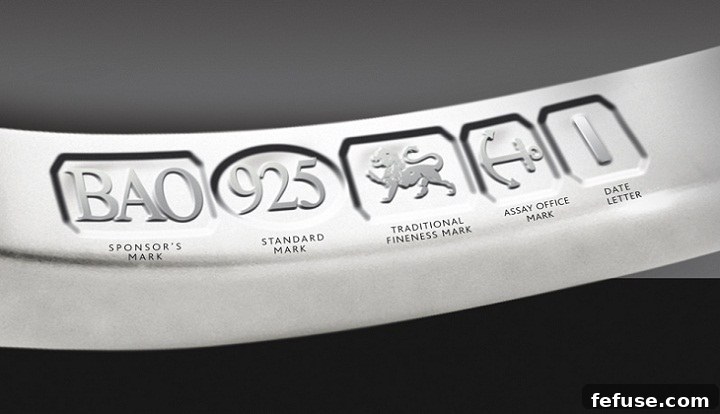
In the dynamic world of precious metals, hallmarking figures offer a crucial barometer of market health and consumer preferences. The Birmingham Assay Office, a venerable institution with a rich history, consistently provides invaluable insights into these trends. Their latest report sheds light on the performance of gold, silver, platinum, and palladium articles, revealing shifts that are vital for stakeholders across the jewellery industry and beyond.
The first quarter of 2017 showcased an encouraging overall increase in UK hallmarking activity. Figures compiled by the prestigious Birmingham Assay Office indicated a robust 6.7% climb in total hallmarked items during Q1 2017 compared to the same period in the previous year (Q1 2016). This positive momentum was predominantly fueled by a significant uplift in silver articles, underscoring a notable shift in consumer demand towards this versatile and often more accessible precious metal.
While the overall picture for Q1 2017 was one of growth, the performance across individual metals presented a more nuanced view. Silver emerged as the standout performer, demonstrating exceptional strength and driving the market forward. In contrast, gold, platinum, and palladium all experienced declines during this period, highlighting evolving market dynamics and potential challenges faced by these segments of the precious metals industry.
UK Hallmarking Figures for Q1 2017: A Comprehensive Overview
The total number of items hallmarked by the Birmingham Assay Office in the first quarter of 2017 reached an impressive 2,050,708. This substantial volume, coupled with the overall 6.7% increase year-on-year, signals a healthy underlying demand within the UK’s precious metals sector, particularly within the silver market. Delving deeper into the individual metal categories provides a clearer understanding of the forces at play.
Silver Shines Brightest: A Deep Dive into its Stellar Performance
Silver was unequivocally the star of the first quarter, reporting an outstanding 16.4% rise in hallmarked items compared to Q1 2016. This significant growth suggests a strong consumer appetite for silver jewellery and other silver articles. Several factors could be contributing to this surge, including its relative affordability compared to gold and platinum, its versatility in design, and growing popularity in contemporary fashion trends.
- Fine Silver (999 parts per thousand): This purest form of silver saw an impressive 22.8% increase, with 7,089 items hallmarked. This growth could reflect increasing demand for high-purity silver products, perhaps for investment purposes or specialized artisanal pieces.
- Britannia Silver (958 parts per thousand): Demonstrating robust growth, Britannia silver articles climbed by 29.4%, totaling 3,565 items. This slightly purer alloy, known for its lustrous finish, appears to be gaining traction among consumers seeking premium silver options.
- Sterling Silver (925 parts per thousand): As the most common silver alloy for jewellery, Sterling silver continued to dominate the market in terms of volume. It experienced a solid 16.3% rise, accounting for a massive 1,081,539 items. This consistent growth underscores its enduring popularity and market dominance.
- 800 Parts Silver: While representing a smaller segment, this lower fineness silver saw an extraordinary surge of 4725.0%, albeit from a low base, with 193 items hallmarked. Such a dramatic percentage increase, even with modest volumes, suggests a niche but rapidly expanding demand, possibly for antique reproductions or specific industrial applications.
The combined strength across all fineness levels for silver highlights its broad appeal and strategic importance to the UK hallmarking landscape.
Gold Experiences a Modest Dip: Analyzing the Nuances
Despite silver’s robust performance, gold experienced a slight downturn in Q1 2017, with total hallmarked gold items decreasing by 1.5%, reaching 872,703 items. This modest dip, while not alarming, indicates a potential shift in consumer spending habits or perhaps a reaction to gold price fluctuations. A closer look at specific caratages reveals varied performances:
- 24ct Gold (999 parts per thousand): This highest purity gold witnessed an astonishing 1938.9% increase, with 367 items hallmarked. While the absolute number remains relatively small, this exponential growth suggests a niche but strong demand for pure gold, potentially driven by cultural preferences or investment motives.
- 24ct Gold (990 parts per thousand): In contrast, hallmarking for this fineness plummeted by 89.2%, with only 8 items recorded. This significant decline points to a near-disappearance of demand for this particular purity level in the UK market.
- 22ct Gold (916 parts per thousand): A more moderate decline of 4.0% was observed for 22ct gold, with 100,717 items. This fineness is popular in certain Asian markets and suggests a slight softening in demand within those specific segments in the UK.
- 18ct Gold (750 parts per thousand): A core staple of fine jewellery, 18ct gold saw a minor decrease of 2.4%, with 169,369 items. This stable performance indicates consistent, albeit slightly reduced, demand for high-quality gold jewellery.
- 14ct Gold (585 parts per thousand): Bucking the overall gold trend, 14ct gold recorded a healthy 51.3% increase, totaling 31,155 items. This growth could be attributed to its balance of durability, aesthetic appeal, and relative affordability, making it an attractive option for a wider range of consumers.
- 9ct Gold (375 parts per thousand): The most widely hallmarked gold in the UK, 9ct gold experienced a slight dip of 2.7%, with 571,087 items. Despite the decrease, its substantial volume reaffirms its position as a consumer favourite for everyday jewellery.
The varied performance within the gold categories suggests a market that is segmenting, with strong growth in niche purities (24ct 999 and 14ct) offsetting declines in others.
Platinum and Palladium Face Headwinds
The platinum and palladium markets faced more significant challenges during Q1 2017, reflecting broader economic and industrial factors that influence these metals.
Platinum’s Contraction
Total hallmarked platinum items decreased by 7.1%, reaching 66,211 items. Platinum, often chosen for its durability and white lustre, saw mixed fortunes across its fineness levels:
- 999 Parts Platinum: This purest form saw a substantial drop of 43.3%, with only 17 items hallmarked. This sharp decline suggests very limited demand for ultra-pure platinum articles in this period.
- 950 Parts Platinum: The most common fineness for platinum jewellery, 950 parts, experienced a 7.2% decrease, accounting for 66,092 items. This decline is a key contributor to the overall platinum downturn, indicating a softening in its primary market.
- 900 Parts Platinum: In contrast, 900 parts platinum surged by an impressive 126.8%, albeit from a small base of 93 items. This could signify emerging interest in this particular alloy, perhaps due to specific manufacturing requirements or cost considerations.
- 850 Parts Platinum: This fineness remained Neutral, with 9 items hallmarked, indicating stable but minimal demand.
The overall decline in platinum hallmarking points to persistent challenges in maintaining its market share against competitive alternatives like white gold and the rising popularity of silver.
Palladium’s Steepest Decline
Palladium suffered the most significant setback among all metals, with a sharp decline of 23.9%, totaling 19,408 items. Palladium’s market is highly sensitive to industrial demand, particularly from the automotive sector (catalytic converters), and shifts in investor interest. Its jewellery market share is also smaller than gold or platinum.
- 999 Parts Palladium: Remained Neutral with only 1 item hallmarked, indicating extremely low activity for this purity.
- 950 Parts Palladium: The most prevalent fineness for palladium, 950 parts, dropped by a substantial 25.1%, with 16,216 items. This is the primary driver of the overall palladium decline.
- 500 Parts Palladium: Also saw a notable decrease of 17.2%, accounting for 3,191 items.
The significant contraction in palladium hallmarking underscores its volatility and dependence on specific market conditions, often making it a more niche choice for consumers and manufacturers.
UK Hallmarking Figures for March 2017: A Detailed Monthly Snapshot
Transitioning from the quarterly overview, a closer examination of the monthly figures for March 2017 provides a more granular perspective on market fluctuations. Compared to March 2016, the overall hallmarking activity in March 2017 showed a noticeable downturn, suggesting a less buoyant end to the first quarter.
In total, 670,391 items were hallmarked in March 2017, representing an 8.5% decrease compared to March 2016. This monthly decline contrasts with the overall positive trend observed for the entire Q1 2017, indicating that the strong performance earlier in the quarter might have softened towards its end. This granular data helps identify short-term market shifts and potential headwinds entering the subsequent quarter.
Gold’s More Pronounced Monthly Decline
In March 2017, gold hallmarking faced a more significant challenge than its quarterly performance, registering a 10.0% decrease in total items, with 320,149 articles hallmarked. This suggests that the slight overall dip for Q1 was exacerbated by a tougher March for gold categories.
- 24ct Gold (999 parts per thousand): Continuing its impressive, albeit niche, growth trajectory, this purity saw a phenomenal 3600% increase, with 74 items hallmarked in March. This further solidifies the observed trend of extreme growth in very high-purity gold articles.
- 24ct Gold (990 parts per thousand): Mirroring its quarterly trend, this fineness experienced a sharp fall of 97.3%, with only 2 items, reinforcing its minimal presence in the market.
- 22ct Gold (916 parts per thousand): A steeper decline was observed for 22ct gold in March, down 11.3%, totaling 37,768 items, indicating a more significant monthly contraction compared to its quarterly performance.
- 18ct Gold (750 parts per thousand): This core jewellery gold also saw a more substantial monthly dip of 14.6%, with 57,053 items, suggesting a tougher sales environment for this segment.
- 14ct Gold (585 parts per thousand): Once again, 14ct gold defied the general downward trend for gold, showing a strong 40.7% increase, with 12,508 items. This consistent growth highlights its increasing appeal and resilience within the gold market.
- 9ct Gold (375 parts per thousand): The volume leader, 9ct gold, experienced a 10.4% decrease, with 212,744 items. This larger monthly decline for the most popular gold fineness significantly contributed to the overall gold downturn in March.
March’s data reinforces the segmentation within the gold market, with 14ct gold showing consistent strength even as other finenesses struggled more acutely than in the broader Q1 period.
Silver’s Monthly Fluctuation: A Moderate Decline
Unlike its quarterly surge, silver hallmarking in March 2017 experienced a moderate decrease, falling by 6.1% to 321,910 items. This monthly contraction for silver, which was a strong growth driver for the quarter, indicates a temporary slowdown or perhaps a normal fluctuation after a period of strong demand.
- Fine Silver (999 parts per thousand): Maintaining a positive trajectory, fine silver articles rose by 64.8%, with 2,110 items hallmarked, indicating continued interest in high-purity silver.
- Britannia Silver (958 parts per thousand): This fineness saw a monthly dip of 24.9%, with 1,018 items, a reversal from its positive quarterly trend.
- Sterling Silver (925 parts per thousand): The dominant sterling silver also experienced a decline of 6.2%, with 318,779 items, contributing significantly to the overall monthly silver dip.
- 800 Parts Silver: This category remained Neutral with 3 items, indicating minimal activity.
The March figures for silver present a more mixed picture compared to the strong Q1, suggesting that while the underlying demand for silver remains robust, monthly performance can be subject to greater variability.
Platinum and Palladium: Continued Monthly Contraction
Both platinum and palladium continued to face significant headwinds in March 2017, with declines even more pronounced than their quarterly performances, underscoring ongoing market challenges.
Platinum’s Monthly Challenges Deepen
Total hallmarked platinum items decreased by 11.5% in March 2017, reaching 22,857 items. This further contraction suggests persistent issues for the metal.
- 999 Parts Platinum: Saw a drastic decline of 92.6%, with only 2 items, reinforcing its extremely limited market presence.
- 950 Parts Platinum: The core platinum jewellery fineness dropped by 11.6%, with 22,784 items, a more substantial monthly dip compared to its quarterly performance.
- 900 Parts Platinum: Despite its quarterly surge, 900 parts platinum also saw growth in March, rising by 170.8% with 65 items, indicating continued niche strength.
- 850 Parts Platinum: Remained Neutral with 6 items, consistent with minimal demand.
The March data highlights the continued struggle for platinum to gain significant traction, with only very specific finenesses showing growth.
Palladium’s Significant Monthly Retreat
Palladium experienced an even more severe monthly decline, plummeting by 36.3% in March 2017, with only 5,475 items hallmarked. This marked decrease reflects the high volatility and sensitivity of the palladium market to external factors.
- 999 Parts Palladium: Registered a complete halt, down 100% with 0 items, indicating a total absence of activity for this purity in March.
- 950 Parts Palladium: Suffered a substantial drop of 35.3%, with 4,907 items, further contributing to the overall decline.
- 500 Parts Palladium: Also experienced a sharp decrease of 43.4%, with 568 items.
The March figures confirm the significant headwinds facing palladium, with demand for all finenesses, particularly the purest form, contracting sharply.
Key Takeaways and Market Implications
The hallmarking data from the Birmingham Assay Office for Q1 2017 and March 2017 paints a detailed picture of the UK’s precious metals market. While the first quarter showed overall growth, primarily driven by silver, the monthly data for March suggests some softening towards the end of the quarter, with declines across most metals.
Silver’s Dominance: The consistent growth of silver, especially sterling silver, underscores its role as a resilient and increasingly popular choice for consumers. Its affordability and versatility likely contribute to its strong performance, making it a cornerstone of the contemporary jewellery market.
Gold’s Evolving Landscape: Gold’s slight overall decline, coupled with significant growth in specific niche purities like 24ct (999) and 14ct, indicates a market that is segmenting. Consumers may be gravitating towards either very high-purity investment pieces or more affordable and durable lower-carat options, potentially bypassing traditional 18ct and 22ct choices to some extent.
Challenges for Platinum and Palladium: Both platinum and palladium face ongoing market challenges. Their performance is highly sensitive to industrial demand, global economic conditions, and competition from other white metals. The significant declines observed highlight the need for strategic innovations and marketing efforts to bolster their positions in the jewellery sector.
These detailed hallmarking statistics serve as an invaluable resource for manufacturers, retailers, and investors alike, enabling them to make informed decisions regarding inventory, product development, and market strategy. Understanding these trends is crucial for navigating the evolving landscape of the precious metals industry in the UK.