
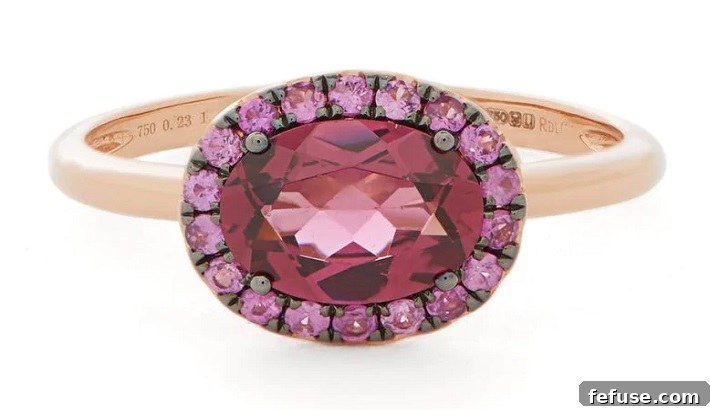
The Alluring World of Garnet: A Gemstone of History, Healing, and Hues
Garnet, a gemstone steeped in rich history and breathtaking beauty, captivates with its deep colors and profound symbolism. From ancient warriors to modern-day healers, this exquisite gem has been cherished across cultures for millennia. While most commonly recognized for its fiery dark red hue, Garnet encompasses a diverse family of minerals, presenting a stunning spectrum of colors, each with its own unique charm and properties. As the traditional birthstone for January, Garnet symbolizes love, friendship, and eternal commitment, making it a truly timeless and meaningful treasure.
Unveiling Garnet: Etymology and Ancient Roots
The name ‘Garnet’ itself offers a glimpse into the gemstone’s visual appeal, stemming from the Latin word ‘granatus’, meaning ‘seed’. This evocative name is a direct reference to the gem’s striking resemblance to the vibrant, ruby-red seeds of a pomegranate. Throughout history, this connection to the pomegranate, a fruit widely regarded as a symbol of fertility, life, and rebirth, further deepened Garnet’s association with passion, love, and the renewal of spirit.
The use of Garnet in jewelry and as ornamental objects dates back to the Bronze Age, making it one of the oldest known gemstones to be utilized by humankind. Archaeological findings reveal Garnet adornments in ancient Egyptian tombs, signifying its presence as a revered gem among pharaohs and nobility. They believed it offered protection in the afterlife and carried a piece of the sun’s divine power. In ancient Rome, Garnets were carved into signet rings, used to stamp wax seals on important documents, symbolizing authenticity and authority. Even Plato, the great Greek philosopher, was said to have had his portrait engraved on a Garnet by an ancient artist.
Beyond its aesthetic appeal, Garnet’s striking blood-red color imbued it with powerful mystical connotations. Ancient warriors, particularly in societies like the Scythians and the Germanic tribes, prized Garnet, believing it could inflict greater wounds upon their enemies and grant invulnerability to the wearer in battle. This belief stemmed from the stone’s vivid color, which mirrored the life force of blood. Similarly, in many ancient cultures, Garnets were believed to offer protection against injury and poison, acting as powerful talismans for travelers and adventurers embarking on dangerous journeys. Its deep red glow was also thought to illuminate the night, guiding those who wore it through darkness and peril.
A Spectrum of Brilliance: Exploring Garnet Varieties
While the classic dark red Garnet is the most familiar, it’s crucial to understand that Garnet is not a single mineral but rather a group of closely related silicate minerals. This family offers an astonishing array of colors, each with distinct chemical compositions and refractive properties, making the world of Garnets incredibly diverse and fascinating.
The Classic Red Garnets: Pyrope and Almandine
The most iconic red Garnets are primarily from two species: Pyrope and Almandine. Pyrope Garnets are known for their deep, fiery red color, often compared to the glow of burning coals. They are typically found in igneous rocks and are popular for their vibrant luster. Almandine Garnets, on the other hand, usually display a darker, brownish-red to purplish-red hue. They are the most common of the Garnet group and are often found in metamorphic rocks. Many of the beautiful red Garnets seen in antique jewelry are a blend of Pyrope and Almandine, sometimes referred to as Rhodolite Garnet, which boasts a beautiful purplish-red to raspberry-red shade.
Orange, Yellow, and Green Garnets: Spessartine, Grossular, Andradite, and Uvarovite
- Spessartine Garnet: This variety dazzles with its fiery orange to reddish-orange colors, often exhibiting a brilliant sparkle. Its vivid hues make it a striking choice for contemporary jewelry designs, evoking warmth and energy.
- Grossular Garnet: This species offers a truly diverse color palette, ranging from colorless to yellow, orange, and the highly sought-after green varieties. Tsavorite, a vibrant emerald-green Grossular Garnet, is particularly rare and valuable, often rivaling the beauty and price of fine emeralds. Hessonite is another well-known Grossular variety, famed for its warm cinnamon to brownish-orange hues.
- Andradite Garnet: Recognized for its exceptional fire and dispersion, Andradite includes Demantoid Garnet, one of the most brilliant and valuable of all gemstones. Demantoid displays a captivating green color, often with a unique “horsetail” inclusion that confirms its natural origin. Topazolite (yellow-green) and Melanite (black) are also varieties of Andradite.
- Uvarovite Garnet: This rare and beautiful Garnet is characterized by its intense, vibrant emerald-green color. It typically forms as small, glistening crystals on a matrix, making it less suitable for faceting into traditional jewelry stones but highly prized by collectors for its natural beauty.
While green, orange, and yellow Garnets are well-known, blue Garnet is exceptionally rare and was only discovered in the late 20th century. These incredible gems exhibit a color-change phenomenon, appearing blue in daylight and shifting to purple or red under incandescent light, making them one of the most fascinating and valuable members of the Garnet family.
The Profound Mystical and Healing Properties of Garnet
Beyond its stunning appearance and historical significance, Garnet is revered for its potent metaphysical and healing properties. Across various cultures and spiritual traditions, it has been attributed with the power to purify, revitalize, and protect, making it a cherished stone for holistic well-being.
Physical Wellness and Vitality
Garnet is often hailed as a stone of regeneration and revitalization. Its deep connection to the blood and circulatory system is a recurring theme in healing practices. It is believed to cleanse and re-energize the blood, support healthy circulation, and aid in the absorption of vitamins and minerals. Some practitioners suggest it can stimulate the metabolism, help with detoxification of the body, and even assist in cell regeneration, particularly after trauma or injury. Its grounding energy is thought to boost overall vitality, stamina, and strength, providing a consistent flow of energy to overcome fatigue.
Emotional Resilience and Confidence
On an emotional level, Garnet is a powerful ally for developing courage, confidence, and emotional stability. It is believed to help individuals overcome feelings of inadequacy and low self-esteem, fostering a sense of self-worth and purpose. The gem is said to instill hope and alleviate emotional distress, making it particularly beneficial for recovery after trauma or periods of grief. By promoting a sense of inner security, Garnet empowers one to navigate challenges with resilience and determination. Its association with passion extends to rekindling emotional sparks in relationships and fostering deeper connections built on trust and commitment.
Spiritual Harmony and Protection
Spiritually, Garnet acts as a powerful grounding stone, deeply connected to the Root Chakra. This connection helps to stabilize energy flow, creating a sense of safety and belonging. It is a stone of protection, shielding the wearer from negative energies and psychic attacks. Garnet is also thought to promote spiritual balance, helping to align the body’s subtle energy centers and enhance spiritual growth. It can stimulate creativity and encourage manifestation by aligning one’s desires with actionable steps, fostering a sense of spiritual alignment and purpose.
Garnet: The Enduring January Birthstone
As the captivating birthstone for January, Garnet carries special significance for those born in the first month of the year. It is traditionally believed to bring peace, prosperity, and good health to its wearers. For individuals born under the zodiac signs of Capricorn and Aquarius, Garnet’s grounding and revitalizing energies are particularly harmonizing, encouraging ambition, stability, and humanitarian spirit. Gifting a Garnet to a loved one born in January is a beautiful way to symbolize deep affection, friendship, and a wish for enduring happiness and success.
Caring for Your Precious Garnet
Garnets are generally durable gemstones, rating 6.5 to 7.5 on the Mohs scale of hardness, making them suitable for everyday wear. However, like all precious jewelry, they require proper care to maintain their brilliance. To clean your Garnet jewelry, simply use warm soapy water and a soft brush. Avoid harsh chemicals, extreme temperature changes, and ultrasonic cleaners, as these can potentially damage some varieties of Garnet or their settings. Store Garnet jewelry separately from harder gems to prevent scratching. With proper care, your Garnet will continue to radiate its timeless beauty for generations.
Embracing the Timeless Beauty of Garnet
From its humble origins as “pomegranate seed” to its status as a revered birthstone and a potent healing crystal, Garnet continues to fascinate and inspire. Its remarkable spectrum of colors, coupled with its profound historical and mystical significance, cements its place as one of the most cherished gemstones in the world. Whether chosen for its aesthetic appeal, its rich symbolism of love and passion, or its purported healing energies, a Garnet is more than just a beautiful stone; it is a tangible piece of history, a beacon of strength, and a testament to enduring beauty. Embracing a Garnet means inviting a touch of ancient wisdom, vibrant energy, and timeless elegance into your life.