
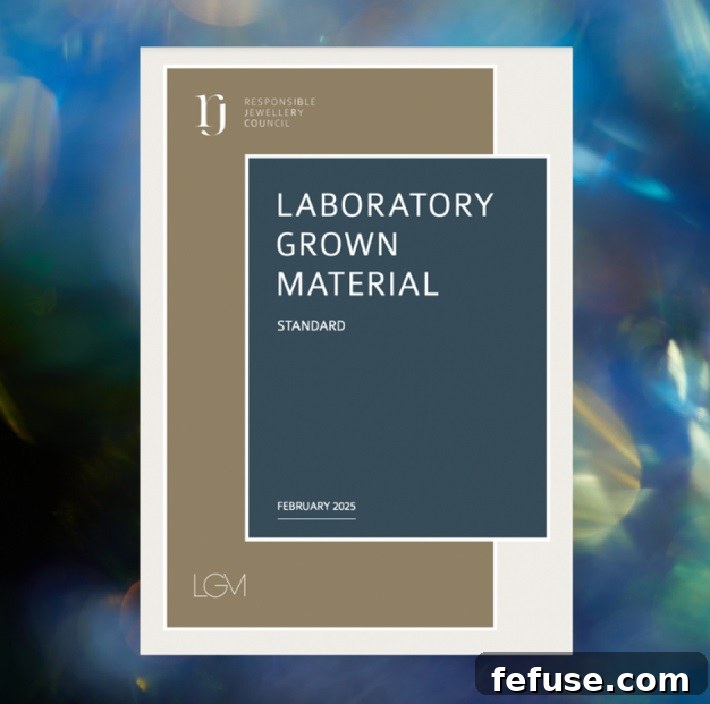
The global jewellery industry is undergoing a profound transformation, driven by an increasing consumer demand for products that are not only beautiful but also ethically sourced and environmentally responsible. At the vanguard of this evolution, the Responsible Jewellery Council (RJC) has introduced a monumental initiative: its highly anticipated Laboratory Grown Materials Standard (LGMS). This groundbreaking framework is meticulously designed to instill unparalleled transparency, bolster sustainability, and champion ethical business practices within the burgeoning lab-grown diamond and gemstone sector. Aligning seamlessly with the RJC’s comprehensive 2024 Code of Practices (COP), the LGMS directly addresses the dynamic and evolving landscape of the modern jewellery industry, setting a new benchmark for integrity and accountability.
The unveiling of the LGMS signifies more than just a regulatory update; it represents a strategic commitment to shaping a future where every facet of jewellery production, irrespective of material origin, contributes positively to both society and the planet. As global consumer consciousness around environmental, social, and governance (ESG) factors continues to rise, the LGMS positions the lab-grown materials sector to not only meet but exceed these heightened expectations. By fostering unprecedented levels of confidence and trust, the standard aims to strengthen the entire supply chain, from innovative production facilities to the discerning hands of the end consumer.
Ensuring Trust and Accountability in the Rapidly Growing Lab-Grown Gemstone Sector
Over the past decade, lab-grown diamonds and an array of exquisite lab-grown coloured gemstones—including captivating rubies, verdant emeralds, and luminous sapphires—have experienced an extraordinary surge in popularity. These materials have captivated consumers worldwide, offering innovative and often more accessible alternatives to their natural counterparts, frequently celebrated for their consistent quality and controlled origin. However, with this rapid expansion comes a critical need for robust regulatory frameworks that can safeguard market integrity, ensure responsible practices, and protect consumer interests effectively.
Recognizing the escalating significance and unique attributes of these advanced materials, the RJC has meticulously developed the LGMS to provide clear, actionable, and enforceable guidelines. The paramount objective is to uphold the integrity of the lab-grown material supply chain, ensuring that every stage, from initial growth to final retail, adheres to the most stringent ethical and sustainable practices. This new standard is universally applicable, extending its comprehensive reach to all RJC members who are actively involved in the handling, processing, and trade of lab-grown materials. This creates a unified and globally recognized benchmark for responsible practices across the entire lab-grown jewellery industry.
The Core Pillars of the LGMS: Building a Foundation for Responsible Production
The LGMS is structured around several critical areas of focus, each meticulously designed to address specific dimensions of responsible business conduct, environmental stewardship, and social responsibility within the lab-grown sector. These foundational pillars collectively establish a robust framework, guiding RJC members towards adopting exemplary practices and cultivating a culture of continuous improvement and accountability.
-
Legal and Regulatory Compliance: Adhering to the Highest Standards
This foundational pillar is paramount, mandating that all businesses operating within the lab-grown materials supply chain not only adhere strictly to all applicable local, national, and international legal frameworks but also demonstrate unwavering respect for intellectual property rights. Compliance extends significantly beyond mere legality; it encompasses rigorous adherence to consumer protection laws, ensuring accurate and truthful marketing claims, and honest representation of products. This ensures fair competition, actively prevents deceptive practices, and fundamentally reinforces trust among consumers, thereby fostering a level playing field for all industry participants. RJC members are expected to implement robust internal controls, conduct thorough due diligence processes, and maintain transparent record-keeping to monitor and ensure ongoing compliance, effectively minimizing both legal and reputational risks.
-
Environmental and Waste Management: Pioneering Sustainable Practices
Sustainability forms an indispensable cornerstone of the modern jewellery industry, and the LGMS places profound emphasis on promoting responsible production practices specifically aimed at significantly mitigating environmental impact. This critical area includes, but is not limited to, concerted efforts in reducing energy consumption and associated greenhouse gas emissions, responsible water usage and advanced wastewater treatment systems, implementing efficient waste reduction and comprehensive recycling programs, and minimizing the use of hazardous materials throughout the production process. Members are actively encouraged to adopt cleaner technologies, perform thorough lifecycle assessments of their products, and continuously strive for tangible improvements in their overall environmental performance. The overarching goal is to ensure that the production of lab-grown materials is as resource-efficient, carbon-neutral, and ecologically sound as possible, contributing positively to the health and longevity of our planet.
-
Product Transparency and Disclosure: Empowering Consumer Choices
In an industry where the clear distinction between natural and lab-grown materials is absolutely paramount for maintaining consumer confidence, stringent and unambiguous disclosure policies are unequivocally essential. This pillar necessitates that all RJC members provide clear, accurate, and unambiguous information about their lab-grown products at every point of sale and across all marketing and promotional materials. This includes explicit labeling, clear differentiation from natural gemstones, and furnishing consumers with all necessary details regarding the origin, characteristics, and enhancement status (if any) of the material. By establishing these robust transparency standards, the LGMS effectively prevents any form of misrepresentation, builds enduring consumer trust, and crucially empowers buyers to make fully informed purchasing decisions based on complete and accurate information. It actively cultivates an environment of honesty and integrity that ultimately benefits the entire jewellery ecosystem.
-
Health, Safety, and Labor Practices: Upholding Human Rights
Beyond direct environmental considerations, the LGMS also implicitly integrates and explicitly reinforces the high standards for human rights and fair labor practices that are central to the broader RJC Code of Practices. This means an unwavering commitment to ensuring safe, healthy, and hygienic working conditions, guaranteeing fair wages that meet or exceed legal minimums, implementing non-discriminatory employment practices, and unequivocally prohibiting child labor or any form of forced labor within lab-grown material production facilities. Members are expected to foster a respectful, inclusive, and empowering work environment, reflecting the deeply rooted ethical principles that underpin the entire RJC framework. Adherence to these crucial social criteria is fundamental to demonstrating genuine corporate responsibility and contributes significantly to the overall ethical profile and market acceptance of lab-grown jewellery.
Phased Implementation for Seamless Industry Adoption and Transition
Recognizing the diverse operational complexities within the jewellery sector and the critical importance of a smooth transition, the RJC has meticulously introduced a thoughtful and strategic phased approach to LGMS compliance. This carefully structured implementation strategy is specifically designed to facilitate seamless adoption across its extensive and varied global membership, aiming to minimize any potential operational disruption while maximizing the overall effectiveness and reach of the new standard.
During the initial year of its launch, adherence to the LGMS will remain voluntary for existing RJC members. This crucial introductory period serves as a vital window, allowing businesses ample time to thoroughly familiarize themselves with the new requirements, meticulously assess their current operations against the standard’s provisions, and proactively begin to implement necessary structural and procedural changes without immediate mandatory pressure. This voluntary phase provides invaluable opportunity for adaptation, learning, and internal preparedness, ensuring that members can gradually and effectively integrate the LGMS into their existing business models and daily operations.
Following this voluntary phase, compliance with the LGMS will transition to become mandatory for all RJC members who are actively engaged in the handling, production, or trade of lab-grown materials. This pivotal shift underscores the RJC’s unwavering commitment to establishing responsible practices as a non-negotiable and intrinsic aspect of operating within its certified community. The mandatory phase is essential to ensuring that the LGMS achieves its intended profound impact, elevating standards across the entire lab-grown sector and further solidifying the RJC’s global reputation as the preeminent beacon of ethical governance and sustainability within the jewellery and watch industry.
Comprehensive Support and Guidance for All Members
To ensure a high rate of successful adoption and to truly empower its members throughout this transformative journey, the RJC is deeply committed to providing extensive and ongoing support. This commitment includes the meticulous development and delivery of tailored training modules, specifically designed to educate members on the intricate nuances of the LGMS, best practices for achieving and maintaining compliance, and effective reporting mechanisms required by the standard. These comprehensive training programs will cover a wide spectrum of topics, from understanding the intricacies of new regulatory requirements to implementing advanced sustainable production techniques and enhancing overall product transparency across the value chain.
Furthermore, the RJC will introduce streamlined auditing processes, making it significantly easier and more efficient for businesses to demonstrate their rigorous adherence to the new standard. These auditing procedures will be designed to be both efficient and thoroughly comprehensive, focusing on practical implementation, measurable outcomes, and continuous improvement. Special attention and dedicated additional guidance will also be meticulously provided to businesses that operate with both natural and lab-grown materials. This targeted support aims to help these members seamlessly integrate the new requirements into their dual operations, ensuring consistency, preventing any undue operational disruption, and eliminating potential confusion across their diverse product lines.
The Broader Impact: Reshaping the Future of Sustainable and Ethical Jewellery
The introduction of the Laboratory Grown Materials Standard by the Responsible Jewellery Council marks far more than just the launch of a new set of guidelines; it represents a pivotal and transformative moment in the industry’s collective journey towards a more sustainable, transparent, and ethical future. As the global demand for jewellery produced with unimpeachable integrity and a minimized environmental footprint continues its remarkable upward trajectory, the LGMS strategically positions the lab-grown materials sector as an undeniable leader in responsible innovation. This groundbreaking standard is instrumental in cultivating a robust culture of accountability that meticulously extends from the advanced laboratory bench where materials are created to the discerning hands of the consumer, thereby reinforcing confidence at every critical stage of the supply chain.
By assiduously fostering unprecedented transparency and embedding deep-seated responsibility within the burgeoning lab-grown materials sector, the RJC is not merely responding to prevailing market trends but is actively and proactively shaping them. The LGMS serves as a powerful and unambiguous testament to the jewellery industry’s unwavering commitment to rigorous self-regulation and continuous, incremental improvement. It establishes a robust and aspirational precedent for sustainable innovation in jewellery manufacturing, actively encouraging all industry players, irrespective of the material type they deal with, to elevate their practices to the highest ethical and environmental echelons. This forward-thinking and proactive approach by the RJC will undoubtedly strengthen consumer confidence in lab-grown products, clearly differentiating ethically certified materials in an increasingly competitive market, and driving sustained growth rooted firmly in trust and verified responsibility.
A Clear Roadmap for Ethical Sourcing and Exemplary Environmental Stewardship
With the Laboratory Grown Materials Standard now firmly and comprehensively in place, RJC members are unequivocally equipped with a clear, robust, and detailed roadmap to navigate the intricate and evolving landscape of lab-grown gemstones. This empowering framework enables businesses to not only meet but consistently exceed the highest global standards of ethical sourcing, environmental responsibility, and transparent business operations. It fundamentally provides a significant competitive advantage for those who genuinely commit to these stringent principles, allowing them to communicate their deep-seated dedication to sustainability and ethics authentically, credibly, and compellingly to an increasingly discerning and environmentally conscious consumer base.
Ultimately, the LGMS profoundly reinforces the RJC’s enduring mission: to serve as the leading and most respected standard-setting organization for the entire global jewellery and watch industry. By thoughtfully extending its already rigorous standards to comprehensively include lab-grown materials, the RJC ensures that its prestigious certification remains an all-encompassing symbol of unshakeable trust, ethical integrity, and environmental responsibility across all diverse facets of the jewellery trade. This unwavering commitment to holistic responsibility benefits not only member businesses and their valued consumers but also contributes immeasurably to broader societal well-being and environmental health, cementing a lasting legacy of excellence and conscientious practice for generations to come.