
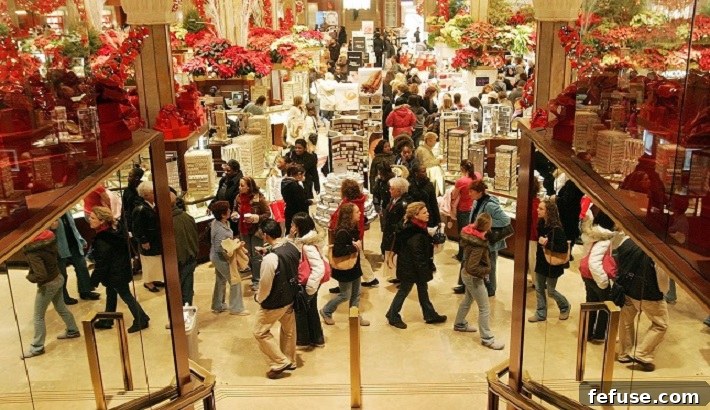
The New Holiday Paradigm: Why Shopping Starts Earlier Than Ever
The festive cheer appears to be arriving sooner each year, a sentiment that is not merely anecdotal but firmly backed by data. A comprehensive survey conducted by the National Retail Federation (NRF) and Prosper Insights & Analytics consistently reveals a significant shift in consumer behavior: holiday shopping is commencing earlier than ever before. This trend signals a fundamental change in how both consumers approach gift-giving and how retailers strategize their seasonal campaigns, transforming the traditional holiday shopping timeline into an extended period of consumer engagement and promotional activity.
This evolving dynamic has profound implications for the retail sector and offers fascinating insights into modern consumer psychology. The days of waiting until after Thanksgiving to kick off holiday shopping sprees are increasingly becoming a relic of the past. Instead, a growing number of shoppers are taking a proactive stance, driven by a desire for better deals, reduced stress, and more manageable budgeting. This article delves into the statistics, motivations, and strategic responses that define this new era of early holiday shopping.
The Unmistakable Shift: Data Behind Early Holiday Shopping
The evidence for this early start is compelling and continues to strengthen with each passing year. A key survey, typically conducted during the initial weeks of November, has consistently shown that well over half of consumers have already embarked on their holiday shopping journeys. For instance, in a recent analysis, a substantial 56 percent of consumers reported having already started their holiday shopping at this early stage. While this figure has remained relatively stable over the past few years, it represents a significant climb from a decade prior, when only 48 percent of shoppers had begun by the same point in the calendar.
Even more strikingly, the percentage of shopping completed by early November has reached unprecedented levels. On average, consumers had already completed approximately 24 percent of their total holiday shopping, marking the highest level ever recorded in the survey’s history. This is a notable increase from just 16 percent completion observed at the same juncture in 2009, illustrating a clear and accelerating trend. Only a small fraction, around 4 percent, had the foresight and discipline to completely finish their shopping before the traditional holiday rush even began. These figures underscore a fundamental recalibration of the holiday season, transforming it from a concentrated sprint into a more extended marathon.
Further insights from an earlier NRF survey highlight the intentionality behind this early activity. Approximately 39 percent of holiday shoppers explicitly planned to start their purchases before November, signaling a deliberate strategy rather than impulsive action. An additional 43 percent aimed to commence their shopping in November, leaving a mere 18 percent who intended to wait until December. These intentions collectively paint a vivid picture of a consumer base that is increasingly strategic and forward-thinking, prioritizing a smoother and more controlled shopping experience over the frantic pace of last-minute buying.
Why Consumers Are Becoming Early Bird Shoppers
The motivations driving this significant shift are multi-faceted and deeply rooted in both practical considerations and a desire for a more enjoyable holiday experience. Understanding these consumer drivers is crucial for both retailers and economists looking to predict and adapt to future trends.
- Budget Management: One of the primary reasons consumers cite for starting early is the ability to spread out their holiday budgets. By making purchases over a longer period, shoppers can mitigate the financial strain that a condensed shopping window can impose, making the holiday season more economically manageable. This allows for more deliberate financial planning and potentially reduces the need for high-interest credit solutions.
- Avoiding Crowds and Stress: The allure of avoiding the chaotic crowds, especially during peak shopping days like Black Friday or the weekend before Christmas, is a powerful motivator. Early shopping offers a more serene and less stressful experience, whether browsing online from the comfort of home or visiting stores during quieter periods. This also minimizes the anxiety associated with finding specific items, dealing with long checkout lines, and navigating congested parking lots.
- Securing Desired Items: Popular items can quickly sell out, particularly during a high-demand holiday season. By shopping early, consumers increase their chances of finding the specific gifts they want without facing stockouts or having to settle for alternatives. This is particularly relevant for unique, limited-edition, or highly sought-after products that might not be restocked frequently.
- Leveraging Early Deals: Retailers are increasingly offering compelling promotions well before Thanksgiving, recognizing the growing trend of early shopping. Savvy consumers are capitalizing on these “early bird” discounts, ensuring they get the best value for their money rather than waiting for potentially less attractive deals closer to the holidays.
- Enjoying the Season: For many, getting shopping out of the way early means more time to genuinely enjoy the holiday season itself—spending quality time with family and friends, participating in festive activities, and simply relaxing, rather than being preoccupied with gift acquisition. It transforms the holiday period from a chore into a celebration.
Retailers’ Proactive Response: Adapting to the Early Demand
The transformation in consumer behavior has not gone unnoticed by the retail industry. In fact, retailers have actively embraced and even accelerated this trend, realizing that the traditional holiday sales cycle no longer aligns with customer expectations. “Consumers don’t wait for Thanksgiving or Black Friday anymore and neither do retailers,” observed Phil Rist, Executive Vice President of Strategy at Prosper Insights & Analytics. This insight highlights a symbiotic relationship: as consumers start earlier, retailers respond by making it easier and more rewarding to do so.
Retailers have responded with unprecedented alacrity, rolling out holiday promotions and deals much earlier than ever before. It is now common to see holiday-themed advertisements and discounts appearing even before Halloween, pushing the start of the season into late October. This phenomenon, often dubbed “holiday creep” or “Black Friday creep,” is a strategic move to capture early consumer dollars and cater to the growing segment of proactive shoppers.
This strategic pivot involves several key elements:
- Extended Promotional Periods: Instead of concentrating discounts into a single weekend, retailers are spreading sales events across several weeks or even months. This allows consumers to shop at their leisure and reduces the pressure of limited-time offers, though strategically timed flash sales still play a role.
- Omnichannel Integration: Early deals are promoted across all channels—online, in-store, and through mobile apps. This seamless experience ensures that consumers can access promotions wherever and whenever they choose to shop, whether they prefer the convenience of e-commerce or the traditional experience of brick-and-mortar stores.
- Inventory Management: By initiating sales earlier, retailers can better manage their inventory, spreading out demand and reducing the risk of either overstocking or running out of popular items during peak periods. This also aids in smoother logistics and delivery operations.
- Customer Loyalty Programs: Many retailers leverage their loyalty programs to offer exclusive early access to deals or special discounts for their most valued customers, further incentivizing early engagement and fostering brand loyalty.
This proactive approach by retailers indicates a fundamental shift in seasonal marketing and sales strategies, where the focus is now on sustained engagement rather than just concentrated sales events.
The Shortened Holiday Window: A Non-Factor for Spending
In certain years, the calendar presents a peculiar challenge: a significantly condensed holiday shopping period between Thanksgiving and Christmas. For example, a notable instance occurred when there were only 26 days separating Thanksgiving and Christmas. This was six fewer days than the previous year and represented the shortest possible window for the traditional holiday shopping season. Historically, a shorter season might have sparked concerns among retailers about potential impacts on overall spending and sales volume.
However, the National Retail Federation has confidently stated that they do not expect such a shortened calendar period to negatively impact total spending. This optimistic outlook is directly attributed to the robust trend of early shopping. Since a substantial portion of consumers have already begun and even completed a significant percentage of their purchases well before Thanksgiving, the reduced number of days between the major holidays becomes far less critical. The holiday season, in essence, has been stretched by consumer behavior, effectively neutralizing the impact of a condensed calendar. This highlights that the “season” is no longer a fixed span of dates, but a flexible period defined by consumer readiness and retailer adaptation.
Broader Implications and the Future of Holiday Shopping
The trend of early holiday shopping is more than just a momentary shift; it signifies a lasting transformation with wide-ranging implications for the economy, consumer behavior, and retail strategies moving forward. This new paradigm influences everything from supply chain management to marketing campaigns and the overall customer experience.
Economic Outlook and Sales Forecasts
For economic analysts, the early start to holiday shopping provides a clearer, albeit earlier, indication of consumer confidence and spending power. While it may not necessarily mean a massive increase in total holiday spending, it suggests a more consistent flow of revenue for retailers over an extended period. This can help stabilize sales figures and reduce the volatile spikes and troughs traditionally associated with the holiday rush. It also allows for more accurate forecasting, enabling businesses to make better decisions regarding inventory, staffing, and logistics.
Evolution of Holiday Marketing and Engagement
Retailers will continue to innovate their marketing strategies, moving away from a singular focus on Black Friday or Cyber Monday to a more diversified and sustained approach. Expect to see “early bird specials,” “pre-holiday sales,” and personalized promotions appearing throughout October and early November. Digital channels, particularly e-commerce and social media, will play an increasingly vital role in capturing these early shoppers, offering convenience and targeted advertising based on browsing history and preferences. The emphasis will shift from urgency to sustained value and convenience.
The Enduring Appeal of Online Shopping
The ability to shop at any time, from any location, has undeniably fueled the early shopping trend. E-commerce platforms allow consumers to browse, compare prices, and make purchases months in advance without the physical constraints of store hours or geographic location. This flexibility perfectly complements the desire to spread out budgets and avoid stress, ensuring that online retail will remain a dominant force in shaping future holiday shopping patterns.
Sustainability of the Trend
As this pattern solidifies, it raises questions about its limits. How early can holiday shopping realistically begin? While a point of saturation may exist, the current trajectory suggests that consumers and retailers will continue to push the boundaries, driven by the mutual benefits of planning, convenience, and strategic sales. This trend is likely to become an ingrained expectation, forever altering the traditional rhythm of the holiday season.
Conclusion: A New Era of Strategic Holiday Planning
The data unequivocally demonstrates that holiday shopping has evolved into a strategic, year-round consideration rather than a frantic dash at the end of the year. Consumers are increasingly proactive, driven by practical financial planning and a desire for a less stressful, more enjoyable holiday season. In parallel, retailers have adeptly responded to this shift, extending their promotional calendars and offering enticing deals well in advance of traditional shopping peaks. This symbiotic relationship between early-starting consumers and proactive retailers has fundamentally redefined the holiday paradigm.
As the holiday season continues to stretch its boundaries, the focus for both shoppers and sellers will remain on strategic planning, maximizing value, and ensuring a seamless experience. The days of waiting for Thanksgiving to kick off holiday preparations are firmly behind us; the festive season now truly begins whenever consumers and retailers decide it should.
News Source: idexonline