
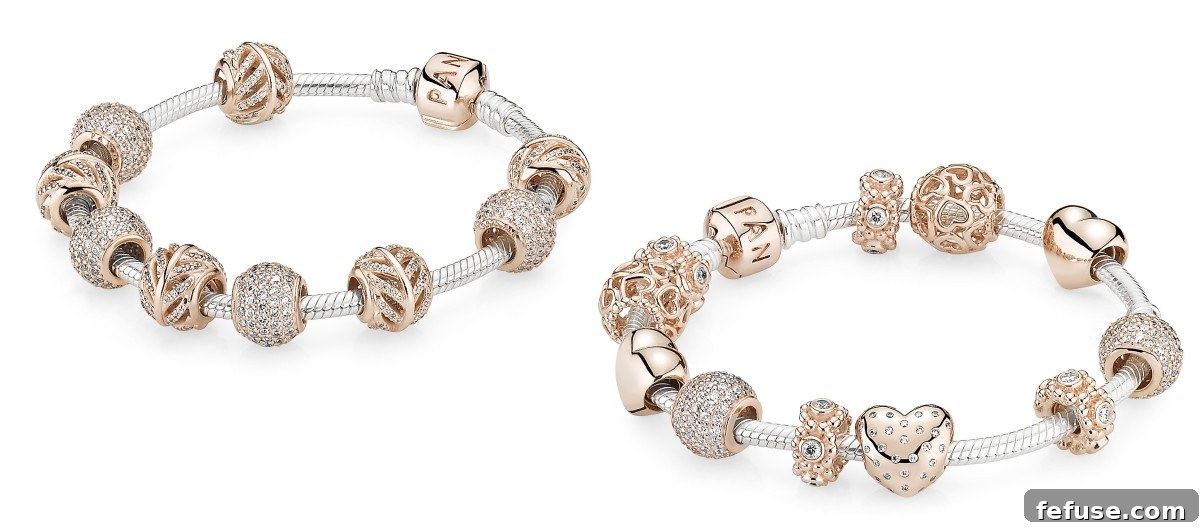
The United Kingdom’s Border Force has issued a significant warning to consumers nationwide, urging heightened vigilance against the proliferation of counterfeit products. This urgent advisory comes after a series of successful operations across UK ports and airports, culminating in the seizure of thousands of fake goods. In recent weeks alone, a substantial haul of 1,530 counterfeit Pandora charms was intercepted, highlighting the persistent threat posed by the illicit trade in imitation items.
Unmasking the Threat: UK Border Force’s Stance Against Counterfeit Goods
As the eagerly anticipated festive season draws near, a period historically associated with increased consumer spending, Border Force officers have intensified their efforts. Operating tirelessly across a network of airports, seaports, and crucial postal hubs, these dedicated teams have detected and seized a staggering volume of phony imported goods, collectively valued at millions of pounds. This proactive stance underscores the UK’s unwavering commitment to safeguarding its economy, protecting legitimate businesses, and ensuring consumer safety from the detrimental impact of counterfeit trade.
Recent Victories: High-Value Counterfeit Seizures
Among the most notable successes in recent weeks was the interception of 1,530 counterfeit Pandora charms at Manchester Airport. These charms, if genuine, would command a retail value of approximately £45,900, representing a significant blow to the criminal networks profiting from their illegal distribution. Beyond the popular jewelry brand, Border Force operations also uncovered other luxury fakes, including a consignment of imitation Hublot watches, which were seized at various other international travel hubs across the country. These seizures are not isolated incidents but rather symptomatic of a larger, more sophisticated global illicit trade that targets high-demand and luxury items, exploiting consumer desire for quality products at seemingly bargain prices.
The Broader Impact: Beyond the Fake Product
The trade in counterfeit goods extends far beyond merely receiving a substandard product. It is a multi-faceted problem with profound and damaging implications for national economies, public safety, and the integrity of global commerce. Understanding these wider ramifications is crucial for both policymakers and consumers in the ongoing battle against this pervasive criminality.
Economic Undermining: A Threat to Legitimate Businesses
Immigration Minister Brandon Lewis eloquently articulated the grave economic consequences of this illicit trade, stating: “The international trade in counterfeits is linked to serious and organised crime and undercuts honest traders, damaging our economy. Customers are also left out of pocket with inferior and potentially dangerous goods.” This statement highlights how counterfeiters directly harm legitimate businesses that invest in research, development, branding, and quality control. By selling cheap imitations, they steal market share, depress prices, and erode profits, potentially leading to job losses and reduced investment in innovation. Furthermore, the UK exchequer loses out on significant tax revenues that would otherwise be generated by genuine sales, impacting public services and national infrastructure projects.
Funding Organized Crime: A Hidden Danger
Perhaps one of the most alarming aspects of the counterfeit trade is its intrinsic link to serious and organized crime. The profits generated from selling fake goods are rarely isolated. They often serve as a significant funding source for a wide array of illicit activities, including human trafficking, drug smuggling, arms dealing, and even terrorism. When consumers purchase counterfeit items, often unknowingly, they inadvertently contribute to the financial strength of these dangerous criminal enterprises. This makes the fight against counterfeiting not just an economic or consumer protection issue, but a critical component of national security and international crime prevention efforts. Border Force’s relentless pursuit of these goods is thus a frontline defense against a much broader criminal landscape.
Consumer Vulnerability: Safety and Quality at Risk
Beyond the financial loss of purchasing an inferior product, consumers face tangible risks to their safety and health. Counterfeit goods are manufactured without adherence to any safety standards, quality control, or regulatory oversight. This can result in products that are not only poorly made but also dangerously defective. Examples include fake electronics that pose fire or electric shock hazards, counterfeit cosmetics and perfumes containing toxic chemicals that cause severe allergic reactions or skin damage, and imitation pharmaceutical products that are ineffective or even harmful. The seemingly attractive low price of a counterfeit item can carry an exceptionally high cost in terms of personal safety and well-being, leaving consumers “out of pocket with inferior and potentially dangerous goods,” as Minister Lewis emphasized.
Erosion of Brand Trust: The Long-Term Consequences
For brands, counterfeiting represents a significant threat to their hard-earned reputation and the trust consumers place in their products. When a consumer unknowingly buys a fake product that is of poor quality or fails to perform as expected, their negative experience is often attributed to the genuine brand. This can lead to a loss of brand loyalty, decreased sales, and long-term damage to the brand’s image and intellectual property. Protecting brands from counterfeiting is therefore vital for maintaining innovation, design integrity, and the overall health of competitive markets.
The UK Border Force: A Vigilant Shield
The Border Force plays an indispensable role in the UK’s defense against the flood of counterfeit goods. Their strategic presence and operational capabilities are crucial in disrupting the supply chains of criminal networks and protecting the public.
Advanced Detection and Strategic Operations
As Brandon Lewis affirmed, “We are determined to crack down on this criminality and have Border Force officers working 24 hours a day at ports, airports and mail sorting centres to identify and seize counterfeits.” This round-the-clock commitment involves a multi-pronged approach. Officers utilize cutting-edge technology, including advanced scanning equipment, alongside their expert knowledge and experience in identifying suspicious packages and shipments. They are trained to recognize the tell-tale signs of counterfeit goods, from poor packaging and labeling to inconsistencies in product design. Intelligence gathering and analysis are also paramount, allowing the Border Force to target high-risk routes and consignments effectively, staying one step ahead of increasingly sophisticated criminal operations.
Collaboration for a Stronger Defense
The success of the Border Force is also rooted in its collaborative efforts. They work closely with brand owners, who provide crucial information about their authentic products and the characteristics of known fakes. Furthermore, inter-agency cooperation with local police forces, trading standards departments, and international law enforcement bodies strengthens the overall defense against organized crime. This network of partnerships ensures a comprehensive and coordinated response to the complex challenges posed by the global counterfeit trade, pooling resources and expertise for maximum impact.
Navigating the Festive Season: A Guide for Smart Shoppers
With Christmas rapidly approaching, the allure of finding the perfect gift at an unbeatable price can be strong. However, this is precisely the time when counterfeiters are most active, seeking to capitalize on increased consumer demand. Border Force south director, Sue Young, aptly warned: “Counterfeiters will look to capitalise and cash in where there is a demand for a product and this year our officers have seized all sorts of fake goods – from beauty products to food and electrical goods.” Consumers must exercise extreme caution to avoid falling victim to these scams.
Spotting the Signs: How to Identify Counterfeit Products
Vigilant consumers can become the first line of defense against counterfeits. Several red flags should prompt suspicion:
- Price: If the price seems significantly lower than the typical retail price for a genuine product, it’s a major warning sign. High-quality items rarely come with extreme discounts, especially from unofficial sources.
- Seller Reputation: Be wary of unfamiliar websites, social media sellers, or market stalls that lack clear contact information, customer reviews, or a professional online presence.
- Product Quality: Examine the item closely. Counterfeits often have poor finishing, incorrect branding (misspellings, wrong logos), cheap materials, and shoddy packaging.
- Packaging and Documentation: Genuine products come in high-quality packaging with accurate branding, barcodes, and sometimes authenticity certificates. Fakes often have flimsy, poorly printed, or incorrect packaging.
- Payment Methods: Be suspicious if a seller insists on unconventional payment methods, such as wire transfers, gift cards, or direct bank transfers, which offer little buyer protection.
Making Safe Purchases: Where to Buy Genuine Items
To ensure you are purchasing authentic products, always opt for reputable and authorized retailers. This includes official brand websites, established department stores, authorized dealerships, and well-known, trusted online marketplaces that have stringent seller vetting processes. While these sources may not offer the cheapest prices, they guarantee authenticity, quality, and often come with warranties and customer service support, providing peace of mind.
The “Too Good to Be True” Rule: Your First Line of Defense
Sue Young’s advice remains timeless and critically important: “We urge consumers to be careful with their purchases. If the price appears too good to be true – either at a car boot sale, a market stall or online – it probably is.” This simple yet powerful adage serves as the most effective consumer protection tool. A healthy dose of skepticism can prevent individuals from not only losing money on a fake product but also inadvertently supporting criminal networks and putting their safety at risk.
Official Statements: Reinforcing the Message
The consistent messaging from government officials and Border Force leadership underscores the severity of the counterfeit problem and the collective effort required to combat it. Minister Lewis’s focus on the link to organized crime and economic damage, combined with Director Young’s practical advice on consumer vigilance, forms a comprehensive strategy. Their statements serve as a robust reminder that fighting counterfeiting is a shared responsibility, requiring proactive enforcement by authorities and informed decision-making by consumers.
A Call to Action: Protecting Consumers and the Economy
The UK Border Force’s recent seizures of counterfeit Pandora charms, Hublot watches, and a myriad of other fake goods serve as a stark reminder of the persistent and evolving threat posed by the illicit trade. As the festive shopping season approaches, consumers are strongly encouraged to adopt a cautious and discerning approach to their purchases. By understanding the risks, knowing how to identify fake products, and supporting legitimate businesses, individuals can play a vital role in protecting their own safety, safeguarding the UK economy, and disrupting the funding streams of serious organized crime. The collective effort of Border Force, industry, and informed consumers is paramount in maintaining the integrity of our markets and ensuring a safe and secure shopping environment for everyone.